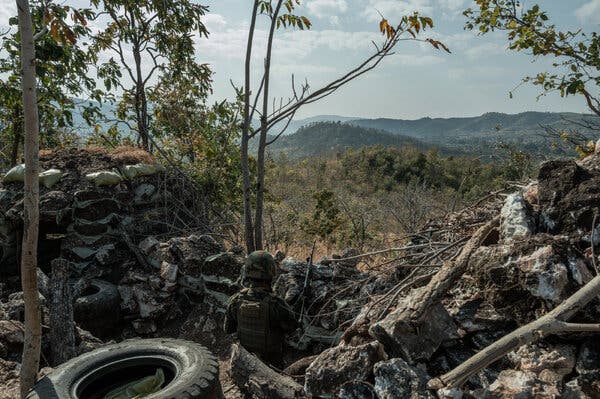
Five years have passed since Myanmar’s civil war began, following a coup by former army chief U Min Aung Hlaing in 2021. The conflict has been marked by intense violence and creative military tactics aimed at crushing those fighting for democracy and an end to ethnic repression.
The coup ousted the elected government and sparked a war between the military and numerous rebel groups united in their mission to overthrow the regime. Despite the gravity of the situation, the conflict has received less global attention compared to others, such as those in the Middle East or Ukraine.
In a move perceived as political manipulation, U Min Aung Hlaing became president in April after a controlled election. This leadership change occurred amidst the nation experiencing its highest monthly civilian death toll since the coup, as reported by human rights organizations.
According to the conflict monitor A.C.L.E.D., Myanmar has been one of the most extreme conflict zones globally, except for the Palestinian territories. The civil war has led to more than 90,000 deaths since its inception. With over 1,200 armed groups involved, it remains the most fragmented conflict worldwide. Rebel militias control more than half of the country, but intensified military strikes threaten this resistance.
The United Nations estimates that nearly 4 million people in Myanmar have been displaced from their homes, affecting about 50 million citizens. A substantial portion of the population is facing acute hunger. Many have fled overseas for low-skilled jobs due to conscription threats and high unemployment.
Myanmar holds the dubious honor of being the most land mine-contaminated country. Soldiers have planted mines in civilian areas, an act widely considered a war crime. The nation has the highest casualties from land mines, according to advocacy groups.
After conducting elections in December and January, the military has intensified attacks on rebels, destroying resistance areas with village burnings and daily airstrikes. March saw over 240 bombings, resulting in at least 400 deaths.
The military has utilized advanced weaponry, including fighter jets, helicopters, drones, gyrocopters, and armed paragliders, primarily sourced from Russia and China. Rebels lack a stable arms supply, and Western support for their democracy fight is not forthcoming.
Hannah Beech, a Times reporter based in Bangkok, has been covering Asia for over 25 years, concentrating on in-depth and investigative stories.
 Trump Delivers Warning to Iran, Cuba at UN General Assembly
  Trump Delivers Stern UN Speech on Iran, AI, and Global Security
 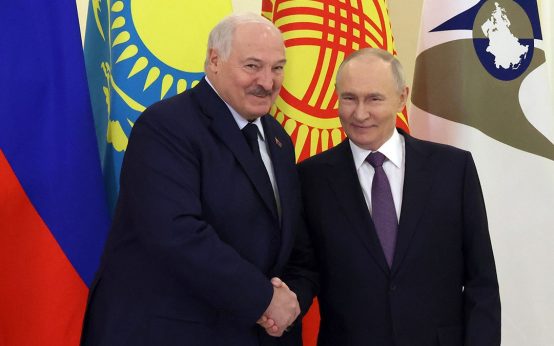 Lukashenko and Putin’s Unique Relationship and Belarus’ Strategic Role
  Harris Discusses Potential 2028 Presidential Run
  Far-Left Groups Allegedly Organize Protests in Austin
 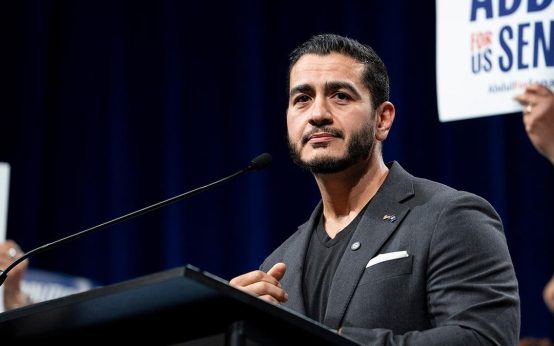 Michigan Senate Nominee Abdul El-Sayed Criticized for Remarks on Reproductive Rights