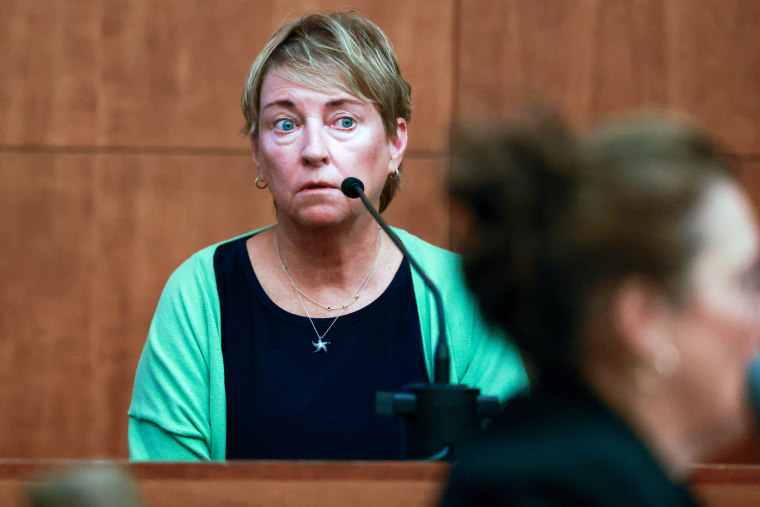
The murder trial of Lindsay Clancy involves complex emotional testimonies, as the court examines her mental state leading up to the tragic events of January 2023, when she ended the lives of her three children and attempted to take her own. The defense claims she suffers from postpartum psychosis, a rare and severe mental illness following childbirth.
Testimony from the Family
Susan Clancy, Lindsay’s former mother-in-law, detailed Lindsay’s struggles in court, describing her as a devoted mother who was open about her mental health battles. Text messages between the two revealed Lindsay’s fears regarding her dependency on medication and her mental state.
Lindsay’s sister and mother also provided emotional testimony about Lindsay’s increasing anxiety, paranoia, and suicidal thoughts in the months before the tragedy. Her mother recounted Lindsay’s fears over the medications altering her mind and her fear of sleeping alone. Her sister mentioned Lindsay experiencing consistent suicidal thoughts in late December.
Prosecution’s Argument
Prosecutors maintain that Lindsay planned the deaths, arguing that her actions earlier in the day were normal, including a visit to the doctor and playing with her children. They suggest she intentionally sent her husband out on errands to carry out the crime.
Defense’s Perspective
Lindsay’s attorney, Kevin Reddington, argues she was in the grip of postpartum psychosis and suffered from bipolar disorder, further exacerbated by antidepressants. Dr. Paul Zeisel, a psychologist who met Lindsay several times after the incident, testified that Lindsay showed no signs of faking her symptoms. He described hearing her account of a male voice ordering her to kill her children, which highlights her psychotic state.
Zeisel explained that people with psychosis might engage in ordinary activities but still suffer from severe mental disturbances.
Potential Outcomes
If convicted, Lindsay Clancy faces a life sentence without parole. If the jury finds her not guilty by reason of mental illness, she will be committed to a state mental health facility.
Her trial has garnered significant public attention, with jury visits to the crime scene and emotional testimonies from her now ex-husband, Patrick Clancy.
If you or someone you know is in distress, contact the 988 Suicide & Crisis Lifeline by calling or texting 988, or visit 988lifeline.org. Additional resources are available at SpeakingOfSuicide.com/resources.
 Christa Pike Moved to Rehabilitation Center After Surviving Execution Attempt
  Ohio Dog Park Shooting Incident Sparks Legal Debate on Self-Defense Claims
  The Ethical and Practical Challenges of Lethal Injection Procedures
  Failed Execution of Christa Pike Sparks Debate and Legal Questions
  Ex-CIA Official Guilty of Fraud and Abuse
  Inquiry Requested into DOJ’s Case Against Former Olympian