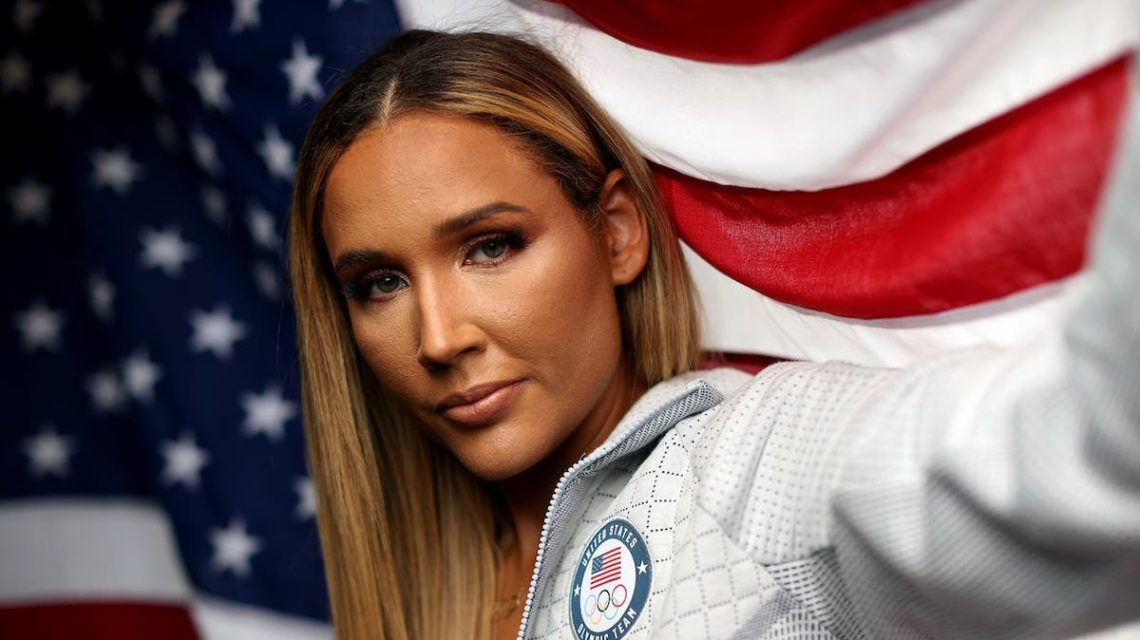
In February 2025, Lolo Jones experienced a troubling moment with Team USA while involved in bobsled training at the Olympic complex in Lake Placid, New York. The team was preparing for the World Championships by testing new equipment. As Jones’ sled sped down the track, reaching approximately 90 mph, she realized something was wrong. Her lower back felt intense pain, she couldn’t bend, and she lost bladder control.
Jones immediately sought out the athletic trainer to report her symptoms. Despite being an experienced athlete, having competed in the 2008 and 2012 Summer Olympics as a hurdler and the 2014 Winter Olympics in bobsledding, this condition was unfamiliar and alarming to her.
“I’ve never had that happen to me ever in my life,” Jones expressed about the unexpected incident.
Initially, a treatment was arranged for her, but Jones mentioned that the head of sports medicine at Lake Placid canceled it, claiming she had already received treatment that week. Unaware of the cancellation, she turned up for her appointment only to find out it was no longer scheduled, leaving her worried and days away from a crucial race.
Things worsened when Jones received information that she had been banned from accessing sports medicine facilities—a ban that extended to other key areas of the Olympic training site. Officials cited her breach of the facility’s code of conduct, though Jones stated she was never informed of the specific rule she had violated and was not granted a formal hearing.
According to reports by the Southern California News Group, discussions with USOPC officials eventually led to an acknowledgment that the treatment should not have been canceled. Despite an apology from Jones, the bans remained in place. Frustrated over the lack of medical support, Jones highlighted her struggles publicly.
“I voiced my frustration that athletes should have medical access,” Jones said.
Her symptoms required more than basic care, as severe back pain with bladder issues could indicate a nerve compression problem at the spine’s base. Jones noted none of the medical staff at the center assessed her condition or discussed its potential seriousness. Without an official diagnosis, Jones pushed through the pain, as athletes often do.
Her Louisiana-based doctor prescribed pain relief, allowing her to participate in the World Championships at Lake Placid, where she and pilot Elana Meyers Taylor completed their runs, finishing sixth. Nonetheless, post-championships, Jones underwent an MRI, which revealed a herniated disc, disc bulge, lumbar tears, and a cerebrospinal-fluid leak. She subsequently had spinal surgery and continued her rehabilitation privately, as the training center’s facilities remained inaccessible to her.
Jones estimates that the injury and its consequent treatments incurred costs of around $100,000, a significant amount even for a successful athlete like herself. This financial burden underscores what Jones perceives as an inequality within the Olympic sports structure. While she had income sources outside the sport, expenses still strained her finances.
“I make good money, but I’m not making Michael Phelps money,” Jones commented.
Now, Jones advocates for enhanced due-process rights for Olympic athletes and more affordable mechanisms to challenge the entities controlling medical care, funding, and their sports careers. She criticized the existing grievance system for being too costly and limiting athlete empowerment against governing bodies.
Her experience has reshaped her thoughts about the Olympics. Where once she envisioned encouraging a future daughter to pursue elite sports, she now holds reservations.
“I will not let my daughter be an Olympic athlete,” Jones declared, emphasizing her desire to protect her child from similar treatment.
For over two decades, Jones represented Team USA across both Summer and Winter Games. When her body needed support, she felt abandoned by the very organization she loyally served.
“I’ve given so much to Team USA and represented this country as best I can,” Jones remarked. “And when I needed Team USA back, they absolutely abandoned me.”
 Trump’s Comment about Sophie Cunningham at Ohio Rally
 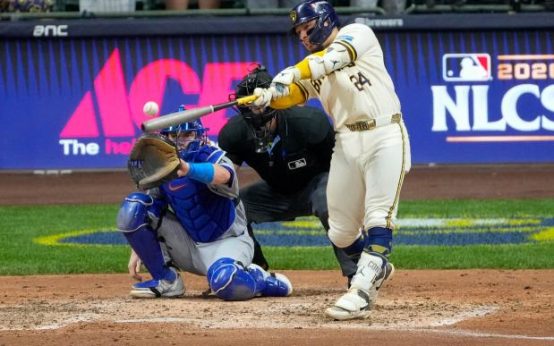 William Contreras Ignites Brewers with Power and Passion
 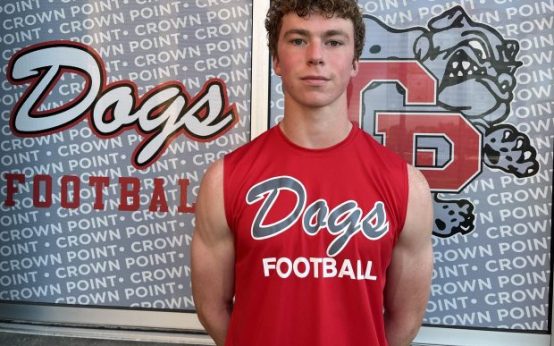 Crown Point’s Tyce Custy’s Leadership and Performance
 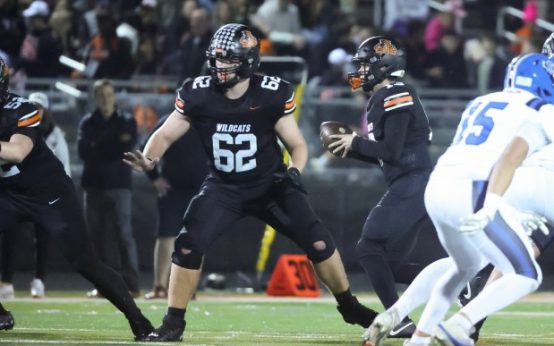 Libertyville’s Colten Siebert Drives Team’s Transformation
  College Football Rankings Highlight Dominant Teams
  Colton Ludwig’s Impactful Performances Propel Kaneland Knights