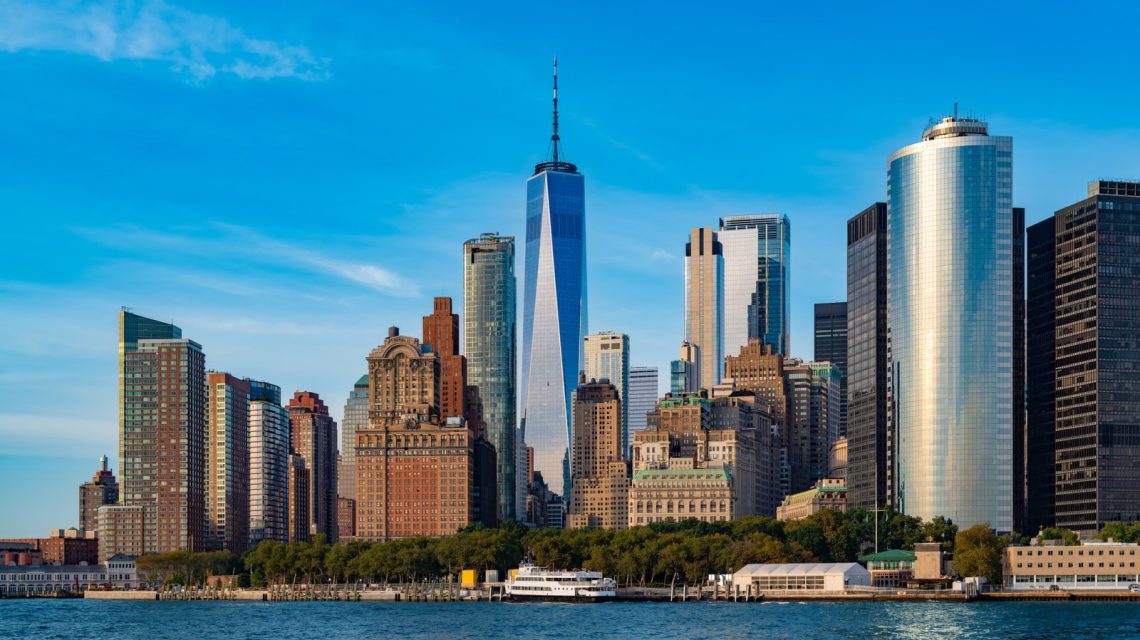
“Wow, this is getting real now,” my partner exclaimed upon seeing New York City for the first time. We had just surfaced from the Fulton Street subway station in Lower Manhattan, stepping into the city’s bustling streets. This feeling of being in a familiar movie set is common among first-time visitors. The streets and landmarks often appear familiar due to their portrayal in countless films and TV shows. For me, New York City is more than familiar; it is my home, having grown up across three boroughs, including Lower Manhattan, where I attended Stuyvesant High School until 2000, the year before the September 11 attacks.
Memories of 9/11
I vividly recall the moment I learned about the 9/11 attacks. I was in a philosophy lecture at Binghamton University in upstate New York. Our professor halted the class before it began, prompting us to contact our families in New York City. Stuyvesant High School, located near the World Trade Center site, was used temporarily as an emergency triage center. Visiting the area, especially before the anniversary of 9/11, felt surreal as I remembered the familiar halls and classrooms serving an entirely different purpose in the aftermath of those events. Despite a decade since my last visit, sites like Battery Park City and the recognizable doors of my school remained comforting reminders of the past.
Enduring Landmarks and Changes
Many familiar locations like the New Amsterdam Library, local schools, and Century 21 department store continue to exist, reflecting continuity amidst change. The transformation of Lower Manhattan is evident. The district, once dominated by office workers and Wall Street’s busy daytime atmosphere, became eerily quiet after businesses relocated post-9/11 due to pollution concerns. Dana Tamuccio, a native historian, shares that the tragic loss of her sibling in the attacks imbues her connection to the area. Her family ties include her father, a longtime New York Stock Exchange broker.
Residential Revival
The area’s revitalization involved crucial office-to-residential conversions. Developments like 55 Broad Street and 25 Water Street have significantly contributed, according to Teresa Stephenson, president of Platinum Forbes Global Properties. New luxury residential towers, such as The Greenwich, mark the area’s recovery. The 88-story building is among the final works by famed architect Rafael Viñoly, showcasing new architectural endeavors. Growth in Manhattan’s Community District 1 underscores this shift, with a 28.6 percent population increase since 2010. The Financial District, in particular, is attracting home buyers and renters, leading searches in 2024 and 2025.
Thriving Neighborhood
The neighborhood’s identity extends beyond finance, evolving into a vibrant residential community. Tom Christopher, an artist who spent decades documenting the city’s transformations, remarks on the area’s shift. It now hosts diverse dining and shopping opportunities, providing all amenities locally. The development has increased both residents and visitors, bringing life to previously unbusy spots.
Tourism and Memory
Lower Manhattan’s visitor numbers surged, reaching 8.1 million in 2025, following substantial increases from 2019. New hotels, like the W New York Downtown and Four Seasons Hotel, emerged, reinforcing hospitality growth. Dana Tamuccio emphasizes the area’s resilience, noting its transformation into a lasting memorial. New York’s ability to rebuild after immense loss showcases its enduring spirit.
As I revisited this familiar yet transformed neighborhood, the feeling resonated akin to reuniting with an old friend. Despite years away, the city’s evolving beauty and resilience assure me of its enduring charm.
 Investigation into the Death of Toddler in Chicago’s West Ridge Neighborhood
  President Trump’s Remarks on 9/11 Anniversary
  Reflecting on 25 Years Since September 11, 2001
  Daring Rescue of Teen in Bering Sea
  Non-Citizen Charged for Illegal Voting Activity
  Yankees Secure Win Over Mets Amid 9/11 Anniversary Commemoration