
The ongoing effort by media to discredit the U.S. Supreme Court as a setup for “reform” continues. New York Times columnist Thomas Friedman recently commented on the Michigan U.S. Senate race, expressing concerns over another two years of unchecked Trump influence, including a compliant Supreme Court.
Friedman described his voting options as “not great choices,” referencing a Democratic candidate accused of controversial associations and beliefs. He used “tacitly,” which, according to Merriam-Webster, means “without speaking” or “by unexpressed agreement.” However, some question this view, noting that the Supreme Court has sometimes opposed Trump’s policies.
This skepticism is common among liberals who assert the court is under Trump’s control. Charles P. Pierce of Esquire claims a conservative majority serves powerful interests, while headlines in The Guardian suggest the court has become political rather than legal.
Nation correspondent Elie Mystal argues the Roberts Court acts as a “rubber stamp” for Trump. Los Angeles Times columnist Jackie Calmes contends the court has often sided with Trump, citing Berkeley Law School dean Erwin Chemerinsky’s claims. These assertions suggest a pattern of misrepresenting data for ideological narratives.
During Trump’s second term, there has been nearly as much frustration as satisfaction with Supreme Court rulings. Decisions since 2024 showed Trump winning some and losing others. In emergency-docket rulings, the administration had mixed results with no liberal justice joining the conservative majority in cases Trump won. Conversely, conservative justices sided with liberals on occasions when Trump lost.
There is ongoing talk of a purchased conservative majority, but Republican-appointed justices frequently crossed ideological lines, a tradition observed with past court members like Anthony Kennedy, Sandra Day O’Connor, and John Paul Stevens.
The “shadow docket” or emergency docket saw 39 administration-related applications under Trump, with 35 filed by the administration. Although decisions largely favored Trump, many concerned executive power questions. However, only a few emergency rulings markedly opposed Trump’s administration.
A closer look at these decisions shows the court did not expand executive power but reminded lower courts of their limits. Examples include prohibitions against lower courts blocking executive branch employee firings, among others.
Overall, Trump’s second-term Supreme Court has been a mix of victories and defeats. While the emergency-docket decisions did not favor lower-court activism, Trump encountered significant losses on tariffs, birthright citizenship, and foreign aid cuts.
The notion of a Supreme Court that simply approves Trump’s agenda oversimplifies reality. Activists see each decision not wholly favorable as a defeat. For some, the volume of lower court limitations outweighs the major White House setbacks. This perspective can distort reality, as seen in Thomas Friedman’s analysis.
Becket Adams is a journalist and media critic based in Washington. Copyright 2026 Nexstar Media Inc. All rights reserved. This material may not be published, broadcast, rewritten, or redistributed.
 White House Press Secretary Calls Out Michigan Senate Candidate
 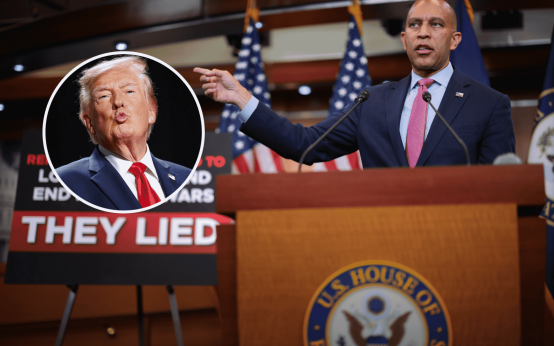 Democrats Consider Impeachment if They Win the House
  DSA-Aligned Candidates: A New Trend in State Legislative Races
 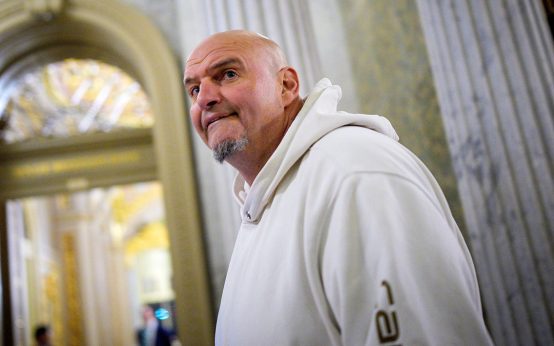 Senator Fetterman’s Complex Political Alignment
 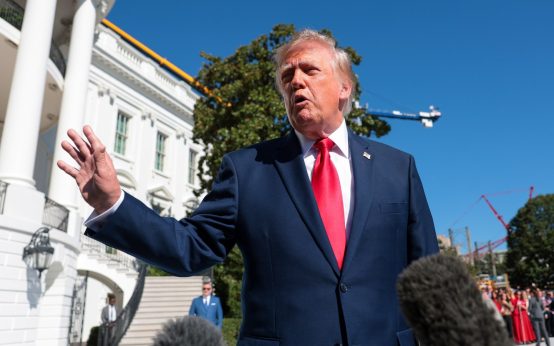 Controversy Over Pentagon’s Plan to Livestream Execution of Fort Hood Shooter
 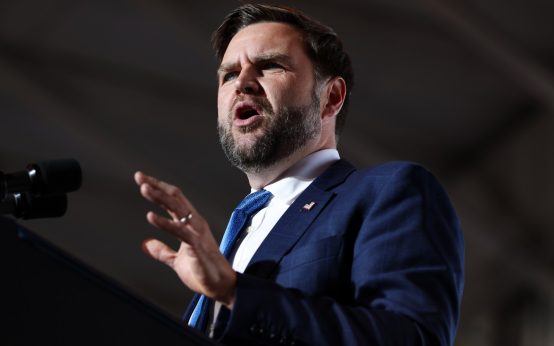 Ohio Battleground: Vance Attacks Democrats Amid Heated Midterm Races