
When Medicaid payments are insufficient, healthcare providers may choose not to participate. This reality is unfolding in Kentucky, where a recent decision illustrates the broader implications of reimbursement cuts.
Democracy Dies in Darkness
On July 23, 2026, a noticeable change affected healthcare delivery in Kentucky at 4:01 a.m. EDT. The situation highlights a critical concern regarding the participation of providers when Medicaid payments fall short.
The 4% reduction in Kentucky’s Medicaid reimbursement rates may seem insignificant. However, within the context of the state budget, it is presented as an exercise in fiscal responsibility. Despite this, the cut demonstrates a complex relationship between apparent savings and real-life costs.
Kentucky, with its independent, nonpartisan news service, the Kentucky Lantern, is closely observing these developments. Based in Frankfort, near the state Capitol, the service provides insights into local governance and policy decisions.
The impact of reimbursement cuts is not limited to Kentucky. Across the nation, similar decisions are scrutinized as they affect the availability of care. Providers must weigh fiscal viability against the expected quality of care.
 Legal Battle Over Media Ban at White House
 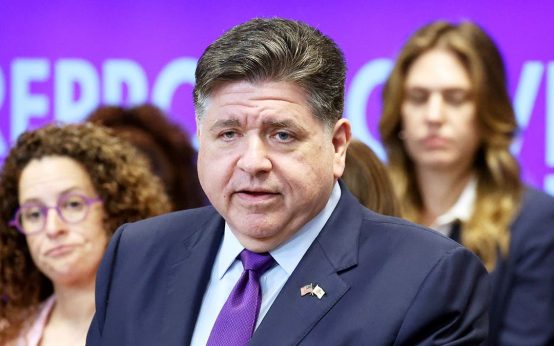 Governor Pritzker Addresses Hasan Piker Controversy
  Trump and NYC Mayor Mamdani: Political Divides and Collaborative Efforts
  Rep. Jared Golden Endorses Mike Lawler for Reelection
  Seattle Protects Nonmonogamous Relationships from Discrimination
  Democratic Lawmakers Criticize Trump’s $5,000 Payout Promise