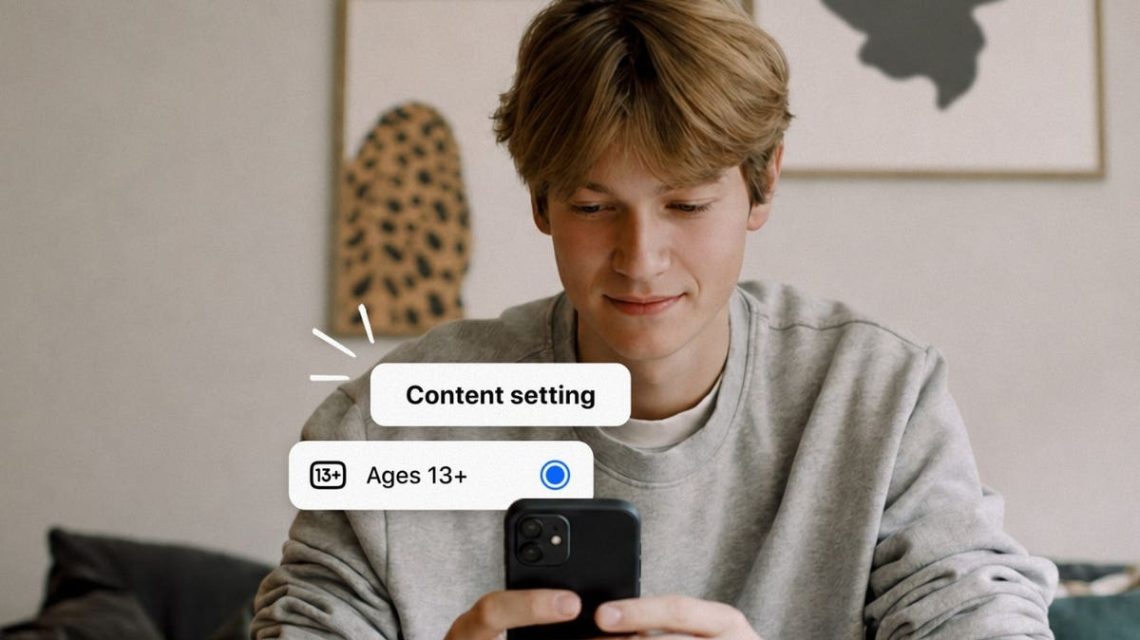
Meta has accepted a significant settlement focused on enhancing youth safety, which introduces a default two-hour daily cap for Facebook and Instagram users under 18. This agreement prohibits app usage from midnight to 6 a.m. and silences school-hour notifications.
The settlement, approved by a judge on August 27, marks a major shift in how teens interact with Meta’s platforms. Under this agreement, a daily cap of two hours will now apply to Facebook and Instagram collectively, with access restricted during overnight hours. Furthermore, parents will be able to exercise greater control over settings that teens may wish to modify.
Two-Hour Daily Limit
Teens are limited to two hours per day across Facebook and Instagram. Time spent on either app contributes to this total. Meta will also consider usage across multiple accounts when detecting activities involving more than one account.
Direct messaging, time spent in settings, and certain long-form content are excluded from the limit. Long-form content refers to media lasting at least 22 minutes that hasn’t been extended artificially.
A teen can only bypass the two-hour limit with parental approval, making it harder to ignore.
Night Mode Restrictions
Night Mode will block most platform activities from midnight to 6 a.m., allowing direct messaging to remain active. Notifications will be turned off from 10 p.m. to 7 a.m. unless concerning account security or platform integrity.
School Mode Notifications
During school hours (8 a.m. to 3 p.m., Monday to Friday between August 15 and June 15), Meta will mute most notifications by default. Direct messages and security alerts will still be received. This aims to reduce disruptions related to social media during school days.
Regular Screen-Time Prompts
Meta will prompt teens every 15 minutes of continuous screen time on Facebook or Instagram. Additional prompts come at 60 minutes and 90 minutes of use each day.
This system ensures teens are aware of how much time they’ve spent before reaching the two-hour cap.
Content Controls for Teens
Teens can choose a non-personalized feed as default, avoiding Meta’s recommendation systems. Parents can enforce this setting and disable autoplay. This enables more control over what teens see online.
Likes and appearance filters have also been adjusted. Meta will hide like and reaction totals by default and restrict access to extreme makeup filters, aiming to reduce focus on appearance and social validation.
Age Verification Efforts
Age checks are crucial for the settlement’s success. Meta will invest in technology to identify accounts that might belong to children under 13 and improve verification systems for teens attempting to present an adult age.
Parental Alerts and Controls
Meta will expand its parental supervision tools, offering alerts when teens link secondary accounts or engage with potentially suspicious accounts. Parents will also receive updates on their teen’s usage and setting changes.
Industry-Wide Collaboration
Meta urges competitors like TikTok and YouTube to adopt similar restrictions, including daily limits and age verification mechanisms to ensure broader safety measures. The financial package of approximately $18 billion reflects this goal.
Participation from other platforms could lengthen and strengthen the restrictions, reducing the daily limit further while expanding night mode hours.
Meta argues that app stores should assist in age-verification processes, providing a more consistent approach. Legislation requiring app stores to verify age and parental approval could support these efforts.
Compliance Monitoring
An independent auditor will annually review Meta’s adherence to the agreement for five years. This oversight includes establishing an independent research foundation analyzing user data related to teen wellbeing.
Tips for Parents
- Activate Meta’s parental supervision tools to access additional controls and information.
- Review the screen-time dashboard to determine the actual extent of social media use.
- Adjust privacy and contact settings to regulate who can interact with your teen.
- Inspect content safety settings for age appropriateness.
- Employ device-level controls across platforms with Apple Screen Time or Google Family Link.
- Introduce a nighttime phone routine to minimize distractions.
While the agreement places a strong focus on limiting screen time with default settings, ongoing conversations within families are essential to supporting these boundaries.
 AI Chatbots Struggle with Voting Questions and Other News Highlights
  Sanders and Casar Propose Legislation to Halt Superintelligent AI
  Tempe Shuts Down Flock Camera System Amid Privacy Concerns
  Outages Disrupt Major U.S. AI Companies: OpenAI, Anthropic, and SpaceXAI Affected
  Leadership Changes at Good Good Golf Amid Controversy
  Federal Government to Incorporate AI in Job Interviews