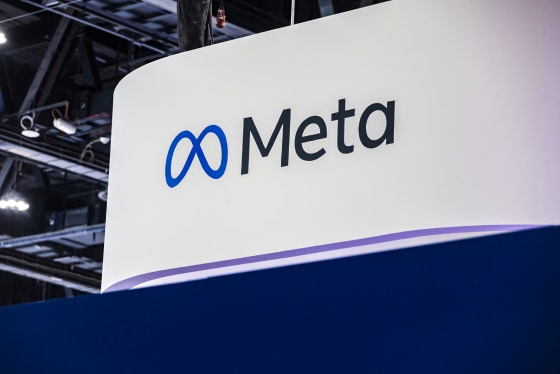
Meta has introduced a new artificial intelligence model known as Muse AI. This innovative technology allows individuals to generate realistic deepfakes using public photos from Instagram. The AI can create these images without needing explicit consent from the photo’s subject. This feature impacts both everyday users and public figures, including celebrities.
Muse AI uses public Instagram images as its primary source material. It boasts the capability to produce remarkably lifelike images, raising concerns about privacy and consent. The technology’s ability to process photographs swiftly and efficiently highlights its powerful imagery generation potential.
The introduction of Muse AI comes with significant concerns regarding detection. Meta has developed an AI detection tool designed to identify deepfakes. However, reports indicate instances where the detection tool fails to recognize these AI-generated images accurately. This limitation raises further questions about the ethical use of such technology.
The unveiling of Muse AI took place at the BRIDGE Summit 2025, held at the Abu Dhabi National Exhibition Center. This event showcased various innovations by Meta, emphasizing the technological advancements shaping social media and digital content creation.
This development underscores the ongoing debate about digital privacy and the ethical implications of AI technology. As public figures and individuals navigate the impact of this AI, discussions about regulation and user protection become increasingly critical.
 Common Hiring Mistakes According to Spara’s CEO
 PwC to Certify Employees in Critical Thinking Amid AI Advancements
 Elizabeth Warren’s Return to Senate Banking Could Shake the Crypto World
 The Emotional Capacity of Machines
 Nvidia Faces Challenges Amidst CEO Investigation
 Guide to Choosing a Mobile Hotspot