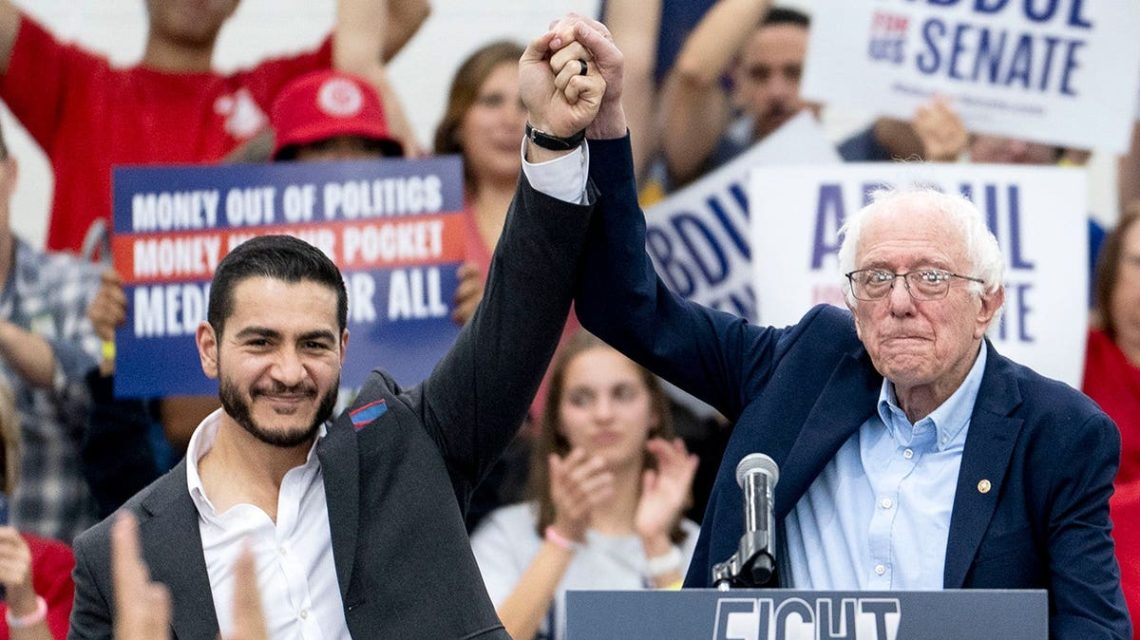
Michigan’s Democratic Senate primary spotlights a stark ideological division within the party. Moderate Haley Stevens faces progressive Abdul El-Sayed, with polls indicating contrasting voter support. Stevens leads among Black voters, whereas El-Sayed finds favor with White and college-educated voters.
Progressive leaders Senator Bernie Sanders and Representative Alexandria Ocasio-Cortez will join Abdul El-Sayed in Michigan to bolster his campaign. El-Sayed’s background includes serving as Wayne County Health Department’s director. He contends in the party’s nomination against Representative Haley Stevens, who has support from Senate Democratic Leader Chuck Schumer and other establishment figures.
The race attracted attention following recent wins by far-left candidates over moderates in New York City and Colorado. Michigan emerges as a significant battleground in the struggle between left-wing progressives and center-left Democrats.
“What you’re seeing here are the two opposing forces of the Democratic Party. Both candidates offer very different visions of what the party and the country should look like,” noted Democratic strategist Joe Caiazzo. “The stakes are monumentally high because Democrats have to hold this seat in November.”
U.S. Senator Bernie Sanders stands with Senate candidate Abdul El-Sayed at an event in Detroit. The August 4 primary winner will face former Republican Representative Mike Rogers in the general election, aiming to replace retiring Democrat Senator Gary Peters.
The open Senate seat in Michigan is a top target for Republicans and crucial for Democrats attempting to reclaim control of the Senate. The race narrowed to Stevens and El-Sayed after State Senator Mallory McMorrow suspended her campaign.
Stevens recently held a seven-point lead over El-Sayed in a Detroit News/WDIV poll conducted after McMorrow’s exit and following a debate with Stevens. El-Sayed, an epidemiologist, could become the first Muslim senator if elected. He’s campaigning for Medicare-for-all and has controversial stances such as abolishing ICE and criticizing Israel amid its conflict with Hamas.
El-Sayed’s lack of PAC donations contrasts with Stevens, considered more electable by Schumer and the establishment. They fear his controversial views might jeopardize Democratic control of the Senate seat.
Senator Gary Peters, who maintained neutrality, has endorsed Stevens. The primary contest has become contentious.
“If you want your politics dictated by AIPAC or Chuck Schumer, then I’m not your guy,” El-Sayed stated in a debate. Stevens accused El-Sayed of benefiting from Republican backing.
The primary is costly, with substantial spending from groups like the United Democracy Project, linked to AIPAC, which invests around $15 million supporting Stevens.
Sanders criticized the influence of billionaire-funded Super PACs. El-Sayed’s potential primary win could signify a far-left breakthrough on a statewide level in Michigan, impacting the party’s trajectory.
Matt Bennett of Third Way cautioned against viewing Michigan’s outcome as a definitive shift left for the party, noting distinct demographic factors such as Michigan’s significant Arab American population.
“I don’t think that even if El-Sayed wins, that means the national party is moving dramatically to the left, as the left will insist if that happens,” Bennett explained. “Some of this is idiosyncratic. The Israel issue is more resonant there than it is in other places. And candidates matter.”
Veteran of Sanders’ campaigns, Joe Caiazzo, also advised Democrats not to interpret primary results as reflecting overarching party changes, emphasizing unique election circumstances.
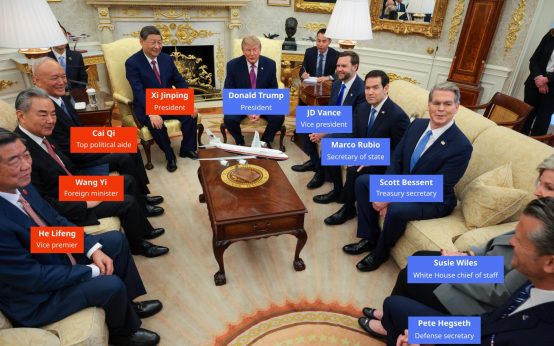 Xi Jinping’s Future and Leadership in China
  Impact of Trump’s Tough Crime Stance
 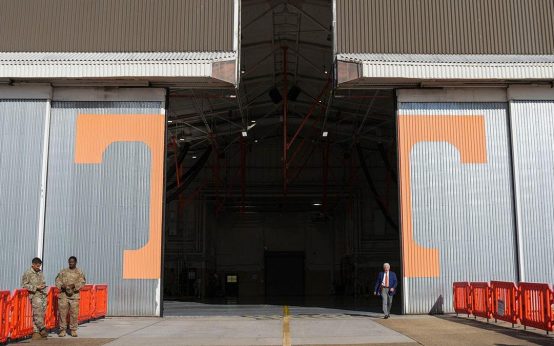 President Trump Attends Major College Football Clash
  Tony Blair Discusses Europe’s Alliance with the U.S.
  Trump’s Trademark Bid for ‘TRUMP TV’ Raises Legal and Ethical Questions
  Trump’s Approval Ratings Decline Ahead of Midterms