In January, anti-ICE protesters, including former CNN journalist Don Lemon, disrupted a church service in Minnesota. They will not face state criminal charges. This decision by St. Paul City Attorney Irene Kao has stirred criticism from church leaders who believe it allows activists to interfere with religious practices without consequence.
Kao released a statement explaining the decision not to pursue charges. She cited insufficient evidence under Minnesota law after reviewing video footage and investigative reports. “The available evidence does not support prosecution,” she stated.
Federal prosecutors, however, have charged 39 individuals, including Lemon, with civil rights violations related to the disruption. These cases are ongoing.
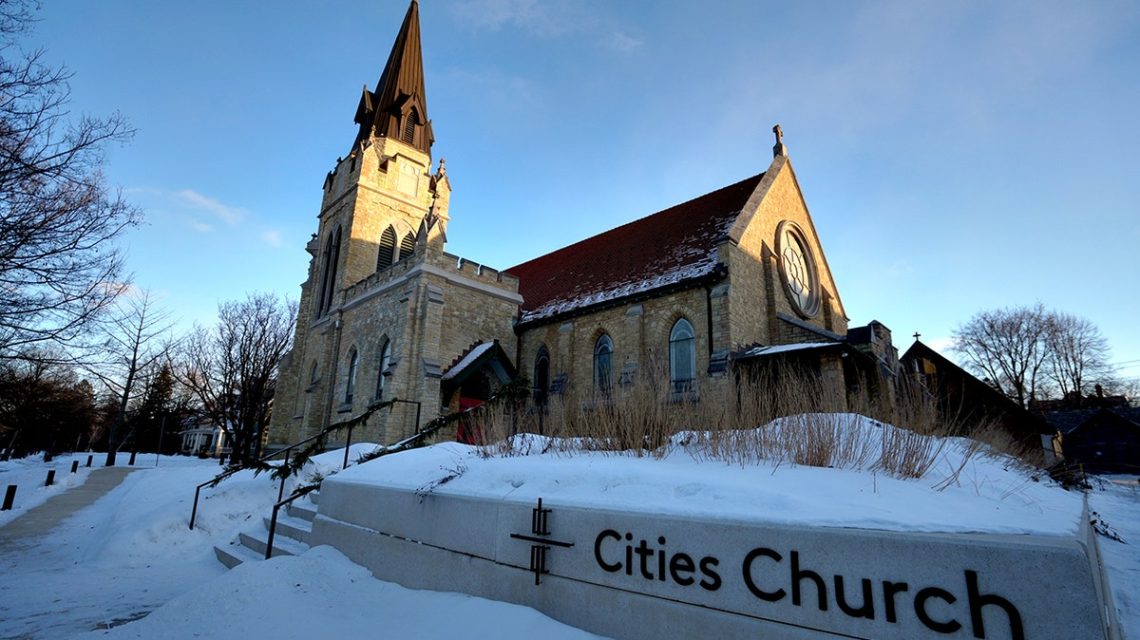
Activists disrupted a service at Cities Church in St. Paul, Minnesota, on January 19, 2026. They claimed the pastor of the church worked as an ICE agent. The protesters interrupted worship, chanting for justice related to a fatal shooting by federal agents.
The decision by the city prosecutor has attracted criticism from Cities Church leaders. They argue it sets a precedent for disruptors to invade any religious space and impede worship services.
Lead pastor Jonathan Parnell criticized the decision, stating, “According to the St. Paul City Attorney’s logic, it is perfectly fine for agitators to invade a mosque, a cathedral, or a temple.”
The protest was motivated by information that a pastor acted as an Immigration and Customs Enforcement (ICE) agent in a major operation. This led to significant backlash among activists.
Kao emphasized that the decision not to file charges is not an endorsement of illegal actions. She pointed out that the protest did not involve violence or damage. “Balancing the right to protest and the right to religious practice is crucial,” Kao said.
Attorneys for Cities Church argued that law violations still occurred, despite the absence of physical damage.