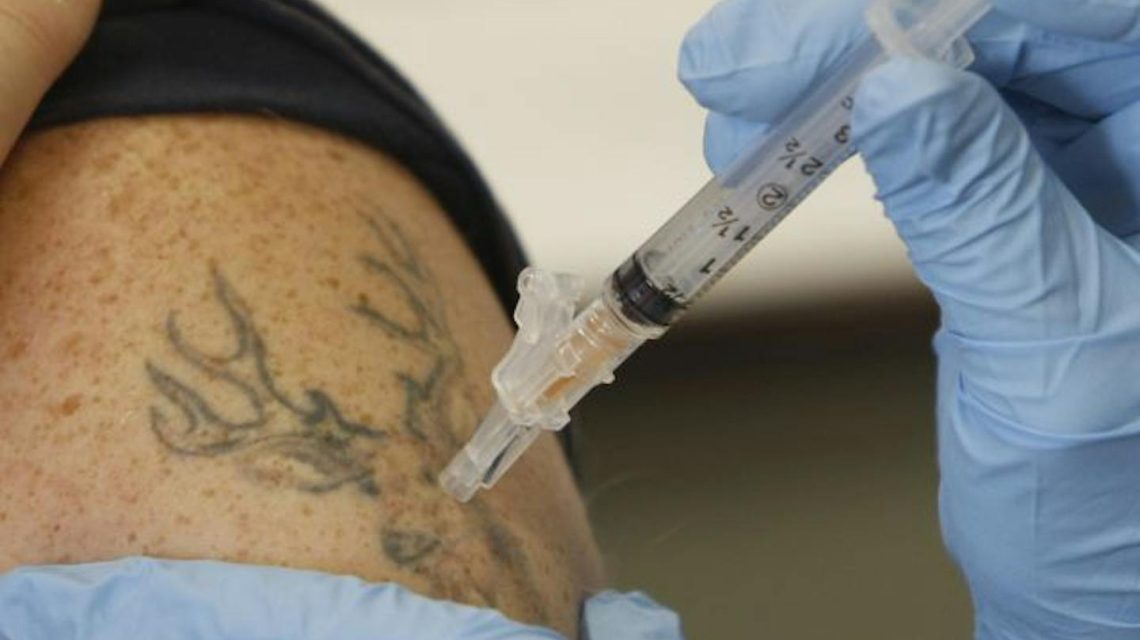
Health officials in Minnesota emphasize the need for timely flu vaccinations, as the shot takes approximately two weeks to provide optimal protection. This call to action follows an unusual increase in severe flu cases across the state.
To date, Minnesota has reported 225 flu-related hospitalizations this season, a significant rise compared to an average of 33 cases at this time in previous years, according to the latest update from the Minnesota Department of Health.
Melissa McMahon, a state influenza epidemiologist, stated, “It is not too late to get a flu shot.” With Thanksgiving approaching, individuals are encouraged to vaccinate sooner rather than later to mitigate risks.
The current trend does not indicate an early or severe peak of flu cases. However, a low vaccination rate and slight genetic variation within the circulating H1N1 flu strain have likely contributed to early infections requiring medical attention.
The state has noted that this H1N1 strain does not appear to be more aggressive or severe. Common flu symptoms include sudden high fever, respiratory issues, cold-like symptoms, and body aches. The virus spreads mainly through droplets expelled when infected individuals cough, sneeze, or speak. It can lead to severe complications such as pneumonia and can worsen pre-existing heart problems and other conditions.
Data from the past three years show an average of around 380 flu-related deaths per season. Half of these fatalities involved residents aged 80 and older, who are more vulnerable due to weaker immune systems. This year, four deaths have been reported so far.
New this winter is the use of wastewater monitoring to track flu spread, a method initially developed during the COVID-19 pandemic. The latest data reveals a rise in flu levels as of the week ending November 8, with nine out of 26 wastewater sites detecting the flu virus.
The virus often leverages holiday gatherings to spread among friends and family, subsequently causing outbreaks in schools and long-term care facilities. Hospitals experienced crowding and long emergency room waits during peak flu periods in January over the previous two seasons.
As of mid-October, only 24% of eligible Minnesotans had received their flu vaccine. The rate stands at 53% among seniors, who are at the highest risk for complications from the flu.
When well-matched to circulating virus strains, the influenza vaccine can be 40% to 60% effective. It takes roughly two weeks after administration for the vaccine to offer full protection.
 Highlights from Recent News Stories
 DEA Dismantles First U.S. Large-Scale Nitazene Lab
 Trump Open to Bipartisan Health Care Plan with Democrats
 Ty Pennington’s View on Home Renovation and Health
 Detroit Boy in Critical Condition After Unsecured Firearm Incident
 Building Resilience Amid Stress and Uncertainty