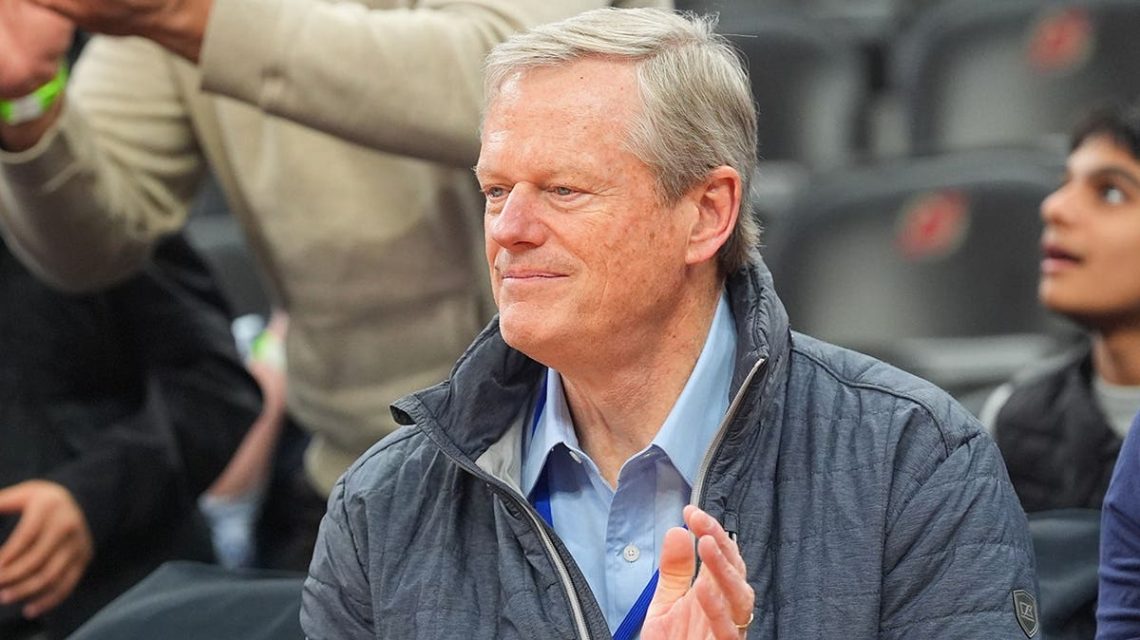
The NCAA has been seeking assistance from Congress to address the challenges facing college athletics. Many lawsuits have emerged, focusing on student-athlete eligibility. Each lawsuit typically involves athletes seeking an extra year of eligibility, leading to frequent legal battles.
The NCAA is lobbying for the ‘Protect College Sports Act’ to gain better antitrust protections. However, the organization had the chance to prevent these issues by altering its new age-based eligibility model. This model allows athletes five years to play five seasons. Crucially, the NCAA did not apply the rule to the 2022 recruiting class, sparking numerous legal disputes.
An example of these challenges is the suspension of a star linebacker at Tennessee due to outdated rules. Athletes argue they deserve the same eligibility rights as others under the new system. This legal chaos might have been avoided if the NCAA included the 2022 class under the new rule.
With teams preparing for the 2026 season, many athletes are gaining or potentially gaining eligibility. However, roster spots remain limited. This situation is slightly easier to manage in college basketball compared to football.
The NCAA had been warned about these potential legal issues. Attorney Ryan Downton highlighted this when representing an athlete in a lawsuit concerning eligibility years. Downton remarked that the NCAA’s reluctance left athletes without the promised benefits.
In the current scenario, granting blanket waivers would allow thousands of athletes an additional year, but with limited options for actual play. The NCAA continues to press Congress for changes while navigating lawsuits.
Recently, U.S. District Judge Charlotte Sweeney issued an injunction in a class action lawsuit, allowing athletes with remaining eligibility to compete. This decision affects numerous sports beyond basketball.
Some cases permit athletes to use the transfer portal, while others do not offer additional portal windows. Sam Ehrlich, an associate professor, explained that judges find the current system unfair, impacting their decisions in legal cases.
The NCAA is like a referee who thinks he’s bigger than the game. Just do the right thing and get out of the way.– Ryan Downton
The NCAA faces difficult decisions. Providing blanket waivers suggests recognition of past errors, leading to complications. Indiana took advantage of a Colorado court ruling, allowing Stephen Daley to return for the 2026 season. The NCAA might appeal this decision, potentially making Daley ineligible.
The struggle seems ongoing, with potential lawsuits looming. The ‘Protect College Sports Act’ could help, but it remains uncertain if it offers sufficient protection. Meanwhile, the NCAA must continue addressing these legal challenges.
 Deion Sanders Enforces Discipline After Colorado’s Defeat to Northwestern
  Steve Lotysz: From Medinah’s Gates to Presidents Cup Artistry
  Calls Grow for Ireland’s Soccer Team to Boycott Matches Against Israel
  Is NHL Preseason Necessary?
  Impact of World Baseball Classic on Paul Skenes’ Performance
  Ronald Acuna Jr. Suffers Injury During Game Against Cincinnati Reds