The growing conflict over artificial intelligence data centers and their water and energy consumption has intensified, with various stakeholders expressing concerns. “The Five” co-hosts on Fox News have highlighted President Donald Trump’s defense of these facilities. He warns against rejecting them, calling such actions a ‘mistake’, while Texas Governor Greg Abbott cautions that companies face significant challenges from the power grid demands.
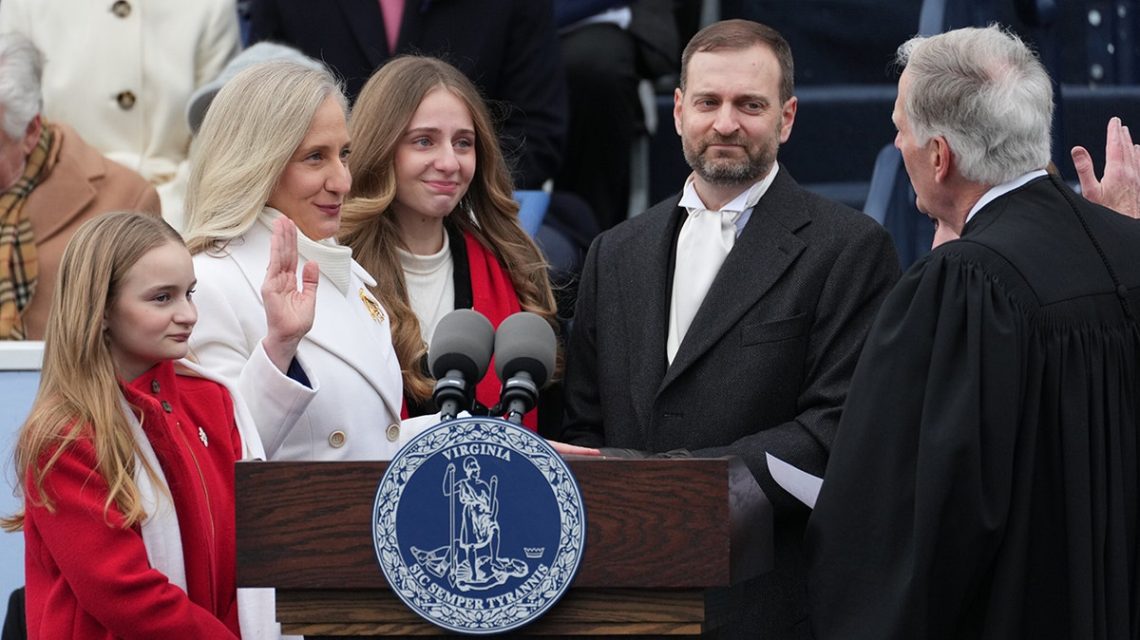
In Virginia, Governor Abigail Spanberger’s data center strategy is under scrutiny. Critics argue that the plan could undermine itself by restricting on-site natural gas generation, a move that may exacerbate the state’s electric grid challenges. Virginia, particularly Northern Virginia, already grapples with rising electricity demands from data centers, surpassing the current expansion rate of transmission lines and substations.
“Everyone recognizes the need for changes in how Virginia engages with data centers. But the Governor’s proposal is internally contradictory and raises serious questions about whether it can actually work,” said Virginia House Minority Leader Terry Kilgore.
Spanberger’s Data Center Accountability Framework demands that data centers stabilize the electric grid while limiting electricity generation from on-site natural gas. This element is controversial because it challenges the balance needed to maintain reliable power amidst transitioning to cleaner energy sources.
The administration defends the framework as the most comprehensive in the nation, seeking to protect Virginia’s people and natural beauty. The plan bans non-disclosure agreements for data centers and strengthens local approvals, aiming for accountability, as shown by bipartisan support according to polls.
In addition, the framework allows data centers to build on-site power systems but restricts the utilization of such power. A new bill also increases Virginia’s energy storage goals significantly, with a target of 1,600 MW for homes and businesses.
Republicans, led by Senate Minority Leader Ryan McDougle, find some agreement with Spanberger, acknowledging public concerns over rising energy bills and mounting data center projects. However, they push for repealing carbon taxes and other laws inflating bills, advocating that centers cover their costs.
Senate President Pro-Tem L. Louise Lucas voices criticism, pointing out that the plan overlooks tax exemptions that should be addressed. Virginia’s transition from carbon-based power, under the Virginia Clean Economy Act, is already pushing utilities to phase out carbon-emitting facilities.
Spanberger’s framework emphasizes clean energy investment, reducing backup emissions, and curbing natural gas dependency for data centers, aligning with state objectives. Kilgore highlights tension in this approach, questioning its consistency with reliability goals, especially in rapidly expanding Northern Virginia, known as ‘data center alley’.
Loudoun County officials note that typical data centers need a consistent 30 to 200 MW power supply, equal to powering thousands of average homes. With Virginia being a central hub for data centers, accounting for 13% of global capacity, the stakes have national implications.
Representative Suhas Subramanyam has proposed a National Data Center Plan, mandating centers to independently manage their energy impact assessments before construction. The unresolved debate centers on whether clean energy, storage, and demand flexibility can meet Virginia’s accelerating data center needs.
 Penn State Fraternity Members Charged in Cocaine Ring Bust
  Orland Park Plans New Traffic and Emergency Measures
  President Trump Proposes ‘Super Intelligence’ as New AI Term
  First Lady Melania Trump’s AI Education Push Amid Concerns
  Texas Man Charged with Capital Murder in Shooting of 5-Year-Old
  Expansion of Data Centers Fueled by AI Development