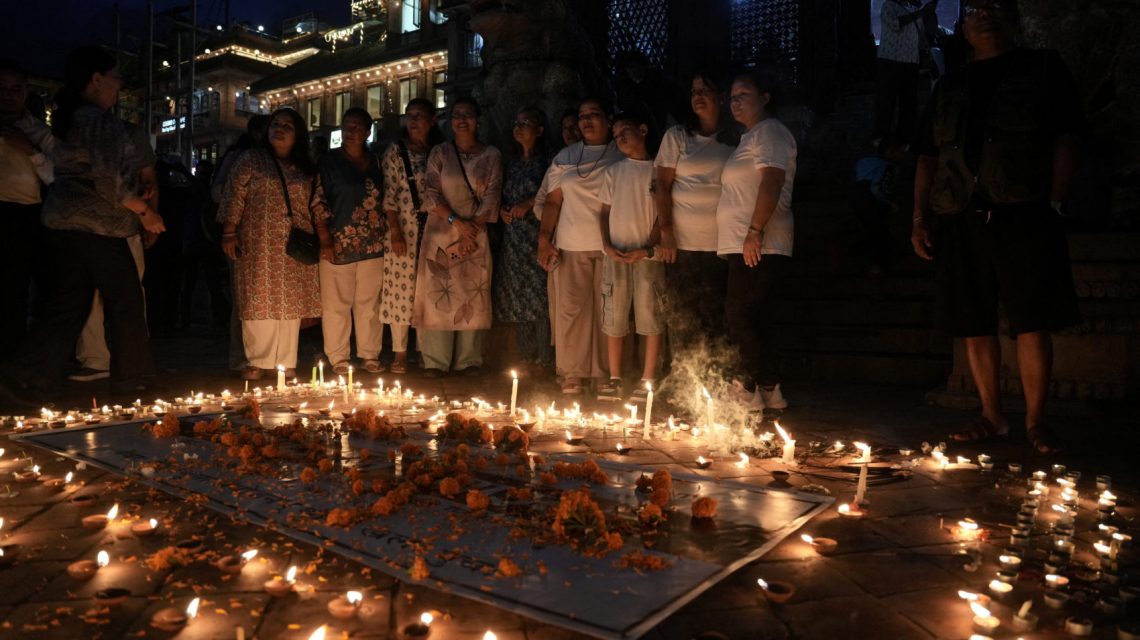
On September 7, 2026, Nepal held a national day of mourning to honor the lives lost in the August 26 floods. Flags were lowered at government buildings, and families completed mourning rituals. The disaster had claimed more than 1,300 lives in Nepal and Tibet, with around 5,000 individuals still missing, including foreign nationals, as per Nepal’s disaster management agency.
In Hindu traditions of Nepal, the mourning period lasts 13 days. During this time, family members stay at home, and relatives visit to express condolences. On the final day, rituals are conducted to pray for the souls of the deceased. Families of missing individuals held symbolic funerals, performing cremation rites without the bodies of their loved ones, which gave them some spiritual closure.
Candles and butter lamps were lit in Basantapur Durbar Square, Kathmandu, to mark the mourning day.
Meanwhile, search operations for the missing continued amid criticism that efforts were insufficient. In Kathmandu, relatives of the missing gathered near key government offices, urging the authorities to accelerate search and rescue operations. Focus was particularly on hydropower plant workers swept away by the Bhotekhoshi River or buried under debris.
Sumana Shrestha, whose husband, a consulting geologist, has been missing since the disaster, joined the protest. Holding her husband’s photo, she expressed frustration over the lack of rescue attempts, stating, “We are here because we have not heard of any rescue attempt on this project.” Her husband had been at the Trishuli hydropower plant office, which was buried by debris.
Another protester, Mahesh Prasad Shrestha, expressed similar concerns for his brother Niraj, an engineer missing from the same site. He criticized the limited resources allocated for rescue, noting that a small excavator arrived only days after the disaster and called for larger equipment from countries like China or India.
Candlelight vigils were held across Kathmandu in remembrance of the flood victims. Rescue teams from India, China, South Korea, and the U.S. participated in efforts at 12 hydropower projects, where approximately 900 workers are missing and 500 may be trapped in tunnels. Rescuers recently saved two Nepalese workers and one Chinese national from the debris.
 Pope Leo XIV Unveils New Fresco at Genazzano Sanctuary
 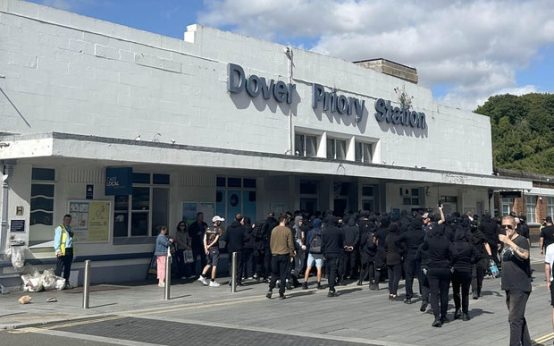 Anti-migrant protests disrupt traffic at Dover and Portsmouth ports
 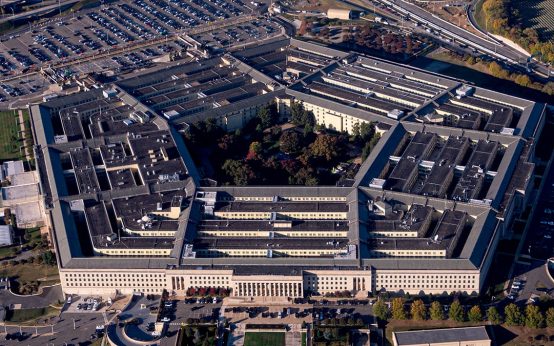 Judge Denies Attempt to Block Pentagon’s Firing of Journalists
 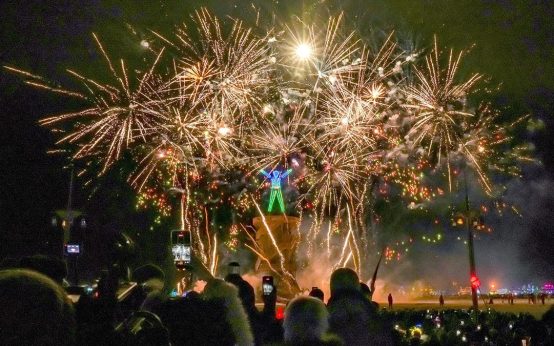 Tragic Events at Burning Man: Two Deaths Occur Within 24 Hours
  Germany’s AfD Party Surges in Saxony-Anhalt Election
  King Charles III Confirms Status of Prince Harry and Meghan Markle