
The unveiling of a mayor’s first executive budget often reveals the challenging transition from campaign promises to actual governance. New York City Mayor Zohran Mamdani’s initial budget has received praise from his supporters for steering clear of austerity measures. However, critics express concerns that many of his campaign’s ambitious plans have been sidelined, with the solutions offered so far appearing as temporary fixes.
One significant challenge is that New York City’s remaining strong sources of middle-class employment—health care, social services, and education—are heavily reliant on public funding. This funding is now under considerable pressure. If Mayor Mamdani aims to make New York more affordable in a sustainable way, his approach must go beyond simple redistribution of limited resources.
To genuinely boost affordability and support the middle class, Mamdani must focus on invigorating the private-sector avenues for upward mobility. This involves addressing several longstanding obstacles:
- Occupational Licensing and Business Regulations: Revising lengthy and complex regulations can open up job opportunities and encourage entrepreneurship.
- Land-Use Restrictions: Easing these restrictions can promote growth and development, making housing more accessible.
- Cost Drivers: Identifying and mitigating unnecessary cost drivers can help lower expenses for both businesses and residents.
By confronting these issues head-on, Mayor Mamdani has the opportunity to strengthen the private sector, which is essential for fostering a thriving middle class in New York City.
 Allegations of Political Intimidation Surface After Raid on Democratic Congresswoman’s Home
  VP Vance Discusses DOJ Investigation on Rep. Ilhan Omar
 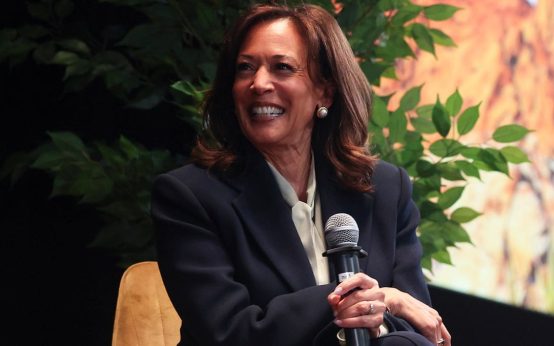 Vice President Kamala Harris Faces Scrutiny Over Potential 2028 Presidential Bid
  Financial State of U.S. States: Analysis and Insights
  The Role and Impact of Debates in Midterm Elections
  Lawmakers Pursue Continued Investigation into Epstein Case