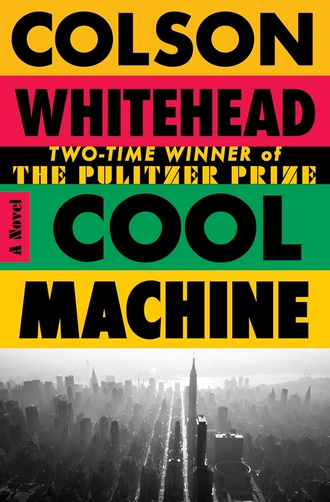
In 2003, Colson Whitehead wrote in his nonfiction work, The Colossus of New York, that individuals should cherish their former apartments as they walk past, acknowledging them as caretakers of personal reinvention. This sentiment resonates through Ray Carney, the main character in Whitehead’s Harlem crime series. The final novel, Cool Machine, brings this reflection full circle.
Ray Carney, a furniture salesman in Harlem, often contemplates the lives behind apartment windows. He imagines whether his luxurious loungers and affordable dinettes offer comfort to the residents. While he embraces family values, Ray is not averse to the shadowy economic dealings in his world.
Whitehead casts Ray’s upward glances as nostalgic reflections. Long-time city dwellers can relate to this sense of reflection and yearning. The novel Cool Machine conveys nostalgia. It’s not the tone of Whitehead’s writing that evokes this; rather, it stems from knowing this marks the last journey with these captivating, unconventional characters.
 Discussion on NFL Draft Comparison and Simone Biles’s Car Issue
  Ella Langley Makes Billboard Hot 100 History with ‘Choosin’ Texas’
  Bunnie Xo’s Post-Divorce Adventures Spark Debate Over Age Gap
  Alan Ritchson Faces Backlash Over Political Remarks
  Ella Langley’s Record-Breaking Chart Success: The Rise of ‘Choosin’ Texas’
  Presley Gerber’s Death: Tributes from Friends and Family