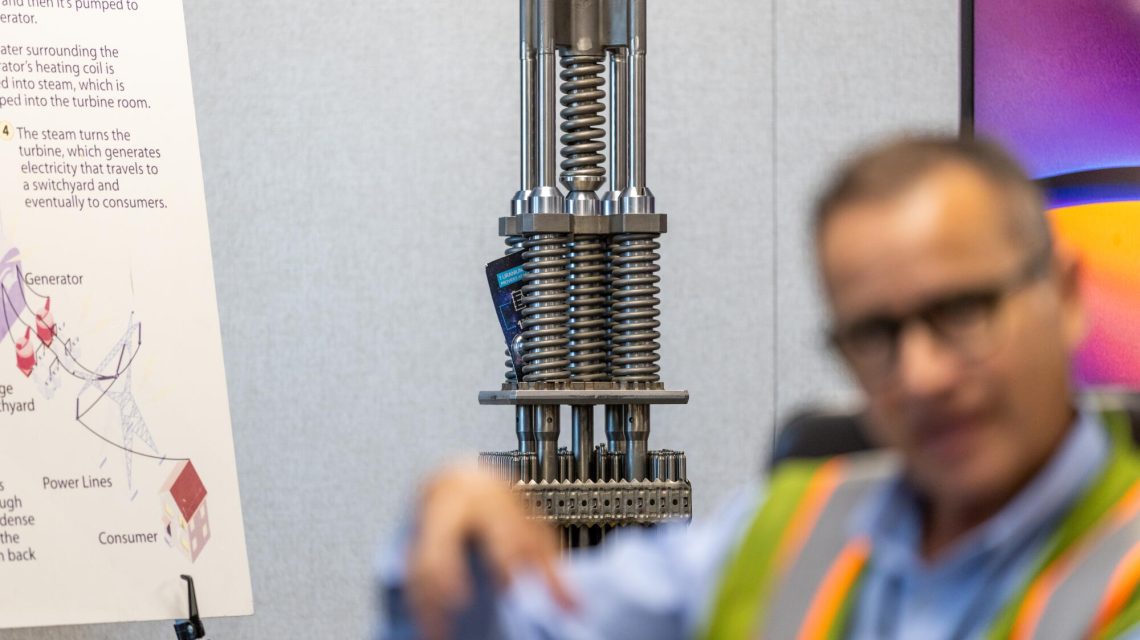
Coastal Erosion Threatens Nuclear Waste Storage
In Southern California, coastal erosion presents a looming concern for nuclear waste storage. Recent intense waves and flooding have raised alarms about the waste stored at San Onofre, near San Clemente. Oceanographer Kim McCoy emphasized that rising sea levels, storm waves, and El Niño could compromise protective walkways, with waste canisters dangerously close by.
The situation demands ongoing vigilance, especially given the long-lasting nature of nuclear waste, which persists over many generations.
Safety Measures and Expert Opinions
While experts agree the immediate risk is low, ongoing erosion could pose future challenges. Southern California Edison, the plant’s owner, has committed to relocating waste if necessary. Despite assurances, experts, such as UC San Diego’s James Day, highlight the need for long-term planning due to the site’s geological activity.
Red lights atop the iconic twin domes at San Onofre remind observers of its former operational status. Demolition is underway, with rubble mostly cleared, yet high-level radioactive waste remains on site. The question of safety divides opinions.
This landscape invites concern, especially if beach slopes collapse, potentially increasing vulnerability to tsunamis and exposing steel canisters to corrosive ocean air. Monitoring and testing are essential, according to Greg Jaczko, former Nuclear Regulatory Commission head.
Robust Design Amid Uncertainties
Edison’s Manuel Camargo assures the seawall will withstand natural calamities until at least 2050, according to state data. The system, built to endure fire, flood, and tsunami, is strong but with an uncertain long-term future.
While utilities await federal storage solutions, lawsuits against the Department of Energy cost taxpayers millions daily. The status quo of coastal storage is expensive and lacks a permanent solution.
Exploring New Initiatives and Community Challenges
The U.S. faces challenges in nuclear waste management, with hopes resting on new initiatives for storage ‘campuses’ in several states. Offering local jurisdictions funding for nuclear cycle development could shift waste from reactor sites nationwide.
This approach draws on consent-based siting principles but depends on community engagement. While areas like Utah explore possibilities, opposition remains strong, with locals resisting becoming national waste sites.
Internationally, countries like Finland and Sweden are advancing permanent storage solutions. Optimism exists for similar undertakings in the U.S., potentially removing waste from San Onofre within 10 to 15 years. However, should progress stall, reevaluating storage methods for aging canisters may be necessary in the next century.
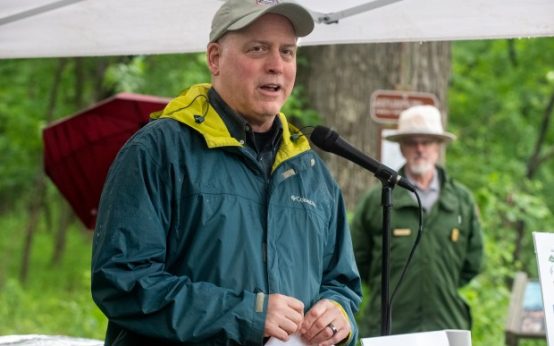 Progress and Challenges of the Marquette Greenway Trail
 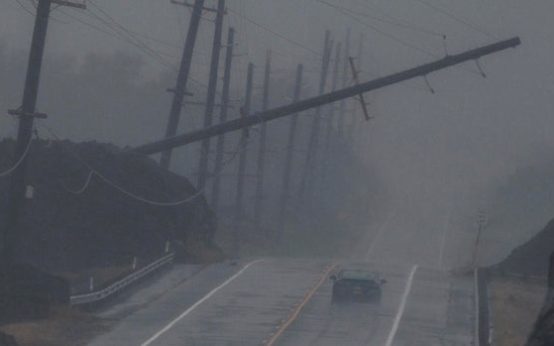 Record Quiet Hurricane Season in the Atlantic Due to El Niño
 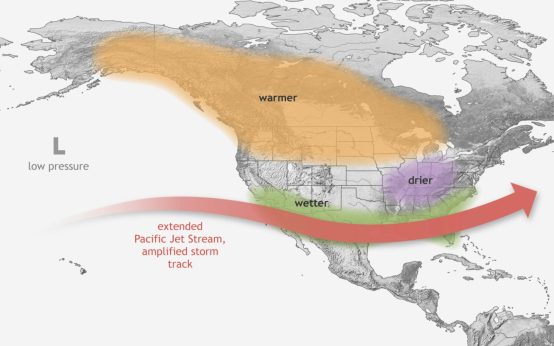 Increased Winter Weather Expected in Major Cities Due to Strengthening El Niño
  Lobster Boats and the Surveillance Debate
  Impact of Construction on Big Bend National Park’s Border
  Court Rules Against Federal Order on Coal Plant Operations