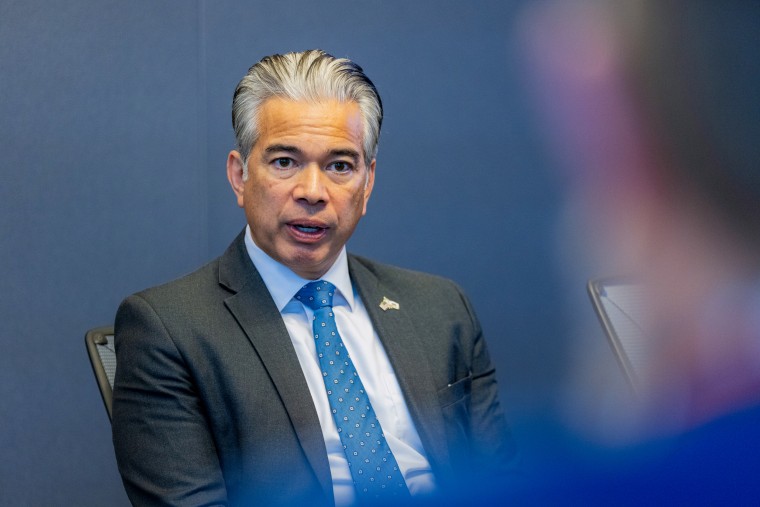
The planned merger between Paramount and Warner Bros. Discovery has progressed significantly after the U.S. Justice Department approved the $110 billion deal. However, California Attorney General Rob Bonta insists that the merger remains under investigation, keeping a close watch on activities from various state attorneys general and their potential lawsuits.
New York Attorney General Letitia James is among those examining the merger. State attorneys general hold independent authority to challenge mergers, even when federal regulators approve them. Antitrust expert Scott Wagner notes that California and New York could file lawsuits seeking to stop the merger.
The merger would consolidate Paramount and Warner Bros., uniting popular streaming platforms and extensive broadcast and cable networks. It would combine CBS News and CNN, increasing concerns about reduced media competition. Hollywood professionals express apprehension about the merger’s potential impact on industry jobs and content creation opportunities.
A vast array of entertainment figures, such as JJ Abrams, Bryan Cranston, Jane Fonda, Pedro Pascal, and Ben Stiller, have opposed the merger, backing Bonta’s investigation and legal initiatives. They emphasize maintaining competition, protecting industry jobs, and safeguarding cultural exports.
“We are grateful for their leadership, and stand ready to support all efforts to preserve competition, protect jobs, and ensure a vibrant future for our industry, for American culture, and for our single most significant export,”
While the Justice Department finds no harm to competition, organizations like Free Press caution against ignoring Hollywood’s concerns. They believe state attorneys general have a strong case and emphasize the merger’s threat to media freedom.
Paramount and Ellison argue that the merger is pro-competitive, allowing them to better compete against large tech companies. They commit to releasing 30 movies annually and enhancing network television models.
In anticipation of legal resistance, Paramount has engaged Jeffrey Kessler, an expert in antitrust litigation. Kessler argues the merger is necessary for boosting competition in streaming and expanding the number of theater releases.
States possess additional measures beyond lawsuits. They can request information and conduct reviews to delay the merger. While these tools cannot substitute a successful antitrust challenge, they apply pressure and could affect the timing or cost of the deal.
California’s Bonta has previously criticized the lax antitrust approach of the Trump administration, prompting states to play a more active role. California and New York recently won a legal victory against Live Nation and Ticketmaster, highlighting their capacity for independent litigation.
The European Union and United Kingdom are also scrutinizing the merger. The EU is studying financial contributions from Middle Eastern investment entities, while the UK has launched its antitrust investigation.
Paramount aims to complete the merger swiftly. The firm faces financial penalties exceeding $600 million quarterly if the merger is delayed past September 30. This deadline motivates them to expedite the process.
 Addressing Artificial Intelligence Concerns Beyond Political Lines
  Navigating AI Responses in Health Queries
  The Rise of Everyday Spaces as Popular Music Venues
  Movies Attempt to Revive Cinema Experience
  Democrats Urged to Address AI Regulation Amid Trump’s Position
  Clay Aiken Reflects On Being Outed in 2006