
Many people find solace in parks, which offer a retreat into nature away from urban challenges. However, recent research indicates that many parks may be closer to pollution than expected.
Study Findings
Researchers from the University of Michigan examined over 151,000 public parks across the U.S. They discovered that over half are within two miles of an industrial facility that handles toxic chemicals. Additionally, nearly 27,000 parks are near sites classified as Superfund sites due to their contamination levels. Notably, more than 2,400 parks overlap with these Superfund sites.
Understanding Superfund and TRI Sites
Superfund sites pose risks to humans because of poorly managed hazardous waste. The U.S. Environmental Protection Agency (EPA), under the Comprehensive Environmental Response, Compensation and Liability Act or “Superfund,” leads clean-up efforts.
The Toxics Release Inventory (TRI) lists facilities that manage over 800 chemicals, requiring annual reports to the EPA.
Insights from the Study
The study highlights the prevalence of polluting sites and their proximity to areas where people live and spend time. Researchers Elliott Chemberlin and Philippa Clarke emphasized how common it is for parks to develop on cleaned-up industrial sites, which was unexpected.
For instance, New York’s Central Park is near the Hudson River, a major Superfund site that underwent significant cleanup to remove polychlorinated biphenyls (PCBs) dumped by General Electric.
Other parks near Superfund sites include Chicago’s Millennium Park, St. Louis’ Gateway Arch, and the land around the U.S. Capitol. Even Green Bay’s Lambeau Field falls into this category.
While the study did not measure park pollution levels, it underscores the importance of parks in enhancing life quality. They also noted existing research on the negative health impacts of living near polluted sites.
Clarke expressed hope that future park planning would focus on land further from pollution sources. They advised communities to learn more about local conditions and advocate for effective park management.
The study aims to encourage informed community engagement rather than alarm.
 Federal Judge Orders Testimony in Tree-Removal Case
 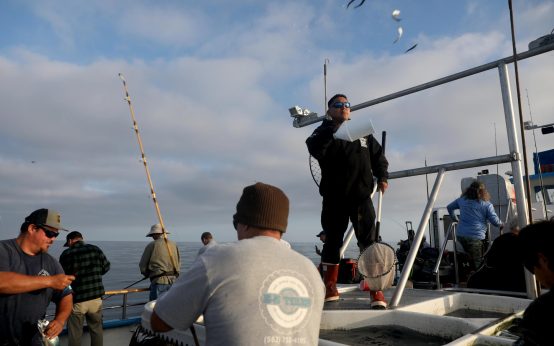 Super El Niño Boosts Unusual Fishing Season Off California Coast
 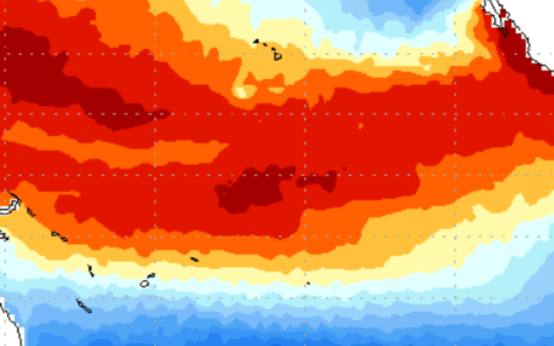 El Niño’s Impact on Pacific Ocean Temperatures
  Federal Focus on Kratom-Derived Products
  Arizona Voters Prioritize Water Concerns in Upcoming Midterms
  Trump Announces Energy Ceasefire Between Russia and Ukraine