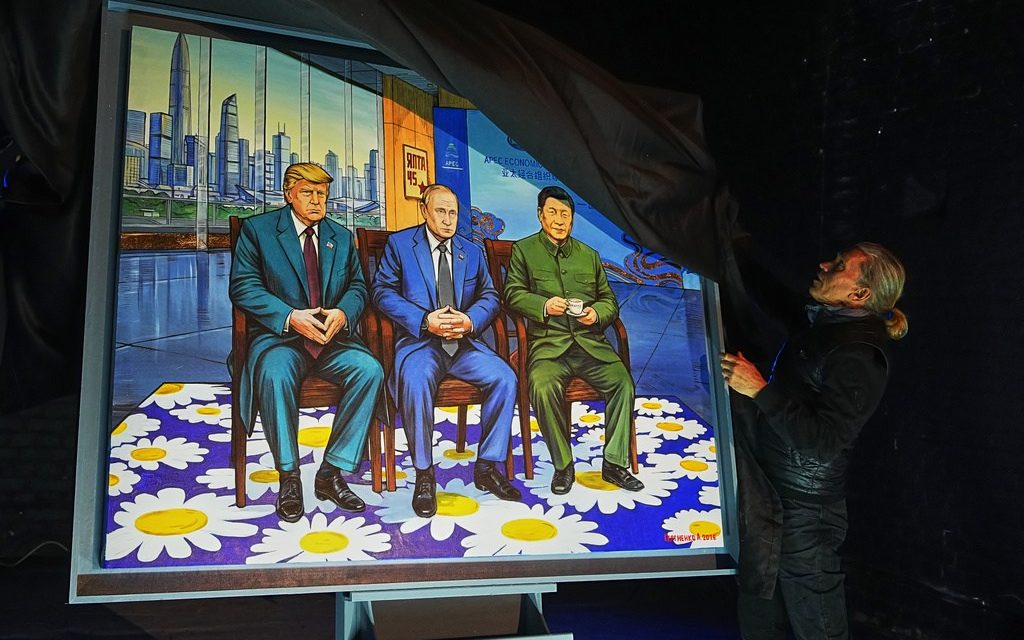
President Donald Trump embarks on a significant trip to Asia, which culminates in a landmark meeting with Chinese President Xi Jinping and Russian President Vladimir Putin. This gathering brings together leaders from the world’s three largest nuclear powers. The meeting is set for Thursday, November 19, during the Asia-Pacific Economic Cooperation summit in Shenzhen, China.
The White House and Kremlin have confirmed this meeting. Key topics include nuclear weapons and Iran-related conflicts. This summit takes place shortly after the midterm elections in which Republicans faced setbacks, impacting Trump’s political environment back home as he focuses on international diplomacy.
Limits of the Meeting
Despite the high-profile nature of this trilateral gathering, certain discussions are notably absent. U.S. officials indicate that Russia’s war in Ukraine won’t be addressed. Additionally, Trump will not bring up the controversy involving former Nvidia CEO Jensen Huang and former Megaspeed executive Alice Huang, who is suspected of being connected to Chinese intelligence. The technology trade is also outside this meeting’s scope.
Trump will be accompanied by senior administration members who face internal government disputes over chips and technology exports to China. The U.S. policy aims to prevent the flow of advanced American computer chips to China, which remains contentious.
Focus on Nuclear Arms and Iran
Trump plans to discuss the reduction of nuclear stockpiles with Xi and Putin. A senior U.S. official describes the meeting as a starting point for potential negotiations, without expecting immediate agreements. The expiration of the New START treaty highlights the urgency of these discussions, as this was the last existing agreement limiting nuclear arsenals between the U.S. and Russia. Trump hopes for a new pact that includes China, which has shown little interest in nuclear arms control agreements.
Iran is also on the discussion agenda. The U.S. is directly involved, while Russia and China maintain strong ties with Tehran. Trump aims to raise this issue with both leaders but does not anticipate a major diplomatic breakthrough.
Despite the meeting’s potential to position Trump as a leader capable of convening major nuclear powers, analysts note that its significance may lie more in symbolism than in immediate outcomes.
Topics Not on the Table
Ukraine’s conflict is notably absent from the meeting’s agenda. Separate diplomatic efforts involving Kyiv and Moscow continue, with Ukraine’s President Volodymyr Zelenskyy not invited to Shenzhen. Leaving Ukraine out might attract attention, as Zelenskyy has concerns over discussions that could affect Ukraine without its involvement.
Additionally, U.S. intelligence allegations suggesting Alice Huang’s connection to China’s Ministry of State Security are not on Trump’s agenda. Although this incident drew attention due to links with Jensen Huang, former Nvidia CEO, discussions around this controversy have been set aside. The investigation remains ongoing.
U.S.-China Tech Restrictions
The administration’s stance on export-control policies with China won’t change during this visit. However, there are ongoing internal debates over restricting American technology to China. Treasury Secretary Scott Bessent has been vocal about placing Megaspeed on the Commerce Department’s Entity List, a move that hasn’t happened yet.
Reports of friction between Bessent and Commerce Secretary Howard Lutnick highlight the dilemma over technology exports. Despite denials of any confrontation, Treasury, Defense, State, and the U.S. Trade Representative support tighter controls.
Elon Musk, who joins Trump for parts of the Asia trip, weighed in during internal discussions but remains outside the trilateral talks.
Trump’s separate meeting with Xi will focus on trade agreements, including China’s rare-earth shipments, another point of contention.
The trip happens as Democrats prepare to take the House, increasing oversight of foreign policy decisions. Facing these midterm losses, Trump uses this international stage to showcase leadership and influence.
The Shenzhen summit presents Trump with a rare chance to engage both Xi and Putin simultaneously. The outcomes on nuclear arms, Iran, or other crucial issues are uncertain, and disagreements over China policy persist as the president travels abroad.
 Highlights from Recent News Stories
 Pentagon Releases Declassified UFO Files with Intriguing Plans and Reports
 Sinaloa Violence Erupts After Capture of Cartel Leader
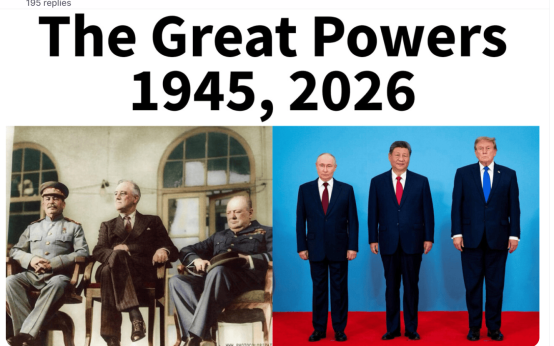 Trump, Xi, and Putin’s Shenzhen Meeting Echoes Historic Yalta Conference
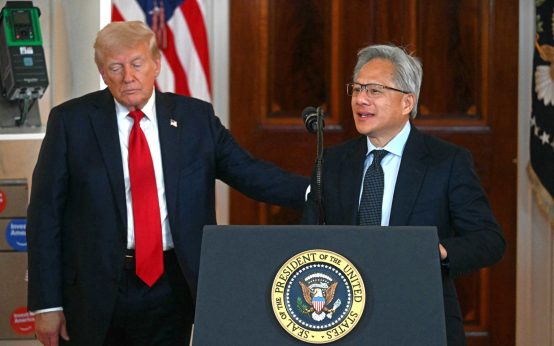 Trump Urges Nvidia to Reinstate Huang Amid Controversy
 Canada and China Strengthen Trade Relations Amid U.S. Tensions