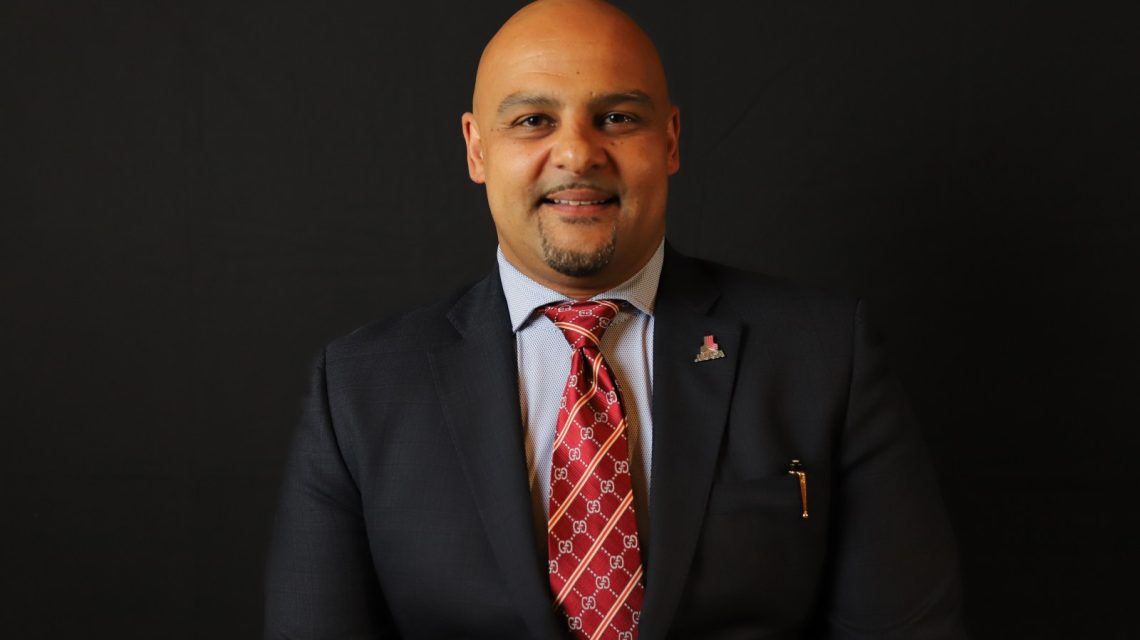
At 17 years old in 1995, I entered prison when the concept of dial-up internet was still gaining traction. By the time I walked out in 2010, the world had drastically changed. The fourth iPhone was in circulation, touchscreens had become the norm, and analog technology had dwindled. Online platforms had taken over job applications, government services, healthcare, and daily communication, all while I was behind bars.
When I returned, I dove into work with zeal. I juggled two full-time jobs and one part-time role—at a pizza shop, a payday loan office, and a church, respectively. Each week, I logged 100 to 140 hours. I initially felt accomplished. Yet, a visit to H&R Block to file my taxes revealed a startling truth. My total annual earnings were a mere $24,600. Supporting oneself on this amount was unfeasible, taking into account the costs of housing, transportation, food, clothing, and healthcare. Without family support, I would have faced dire circumstances.
This realization brought clarity about why many people give up. Working hard without seeing the expected financial results is disheartening. When the system corners individuals financially, alternative paths seem appealing.
My situation highlighted a critical issue: beyond low wages, I lacked digital literacy skills crucial for modern economic participation. I lacked basic abilities like navigating digital job applications or using online benefits systems. While I was motivated and willing to endure grueling work hours, the digital divide placed me at a disadvantage.
The digital world evolves rapidly. Missing out on technology for 15 years meant starting from scratch. Modern life demands familiarity with digital systems for activities such as résumé building, online job applications, and digital communication. In prison, secure access to digital technology can bridge the gap, facilitating a smoother transition back into society.
As I transitioned into reentry advocacy, I pondered the difference access to digital skills training could have made. I now lead TimeDone, a network for individuals with past convictions, offering resources and support pre- and post-release. Our program provides peers, digital access, savings opportunities, mental health services, and community connections.
Reflecting on my journey, I wish I had such resources in 1995 and 2010. My goal now is to ensure these tools are ready for others, preventing them from sharing my struggles. These measures help build bridges for those reentering society, providing the support needed to thrive rather than revert to familiar pathways.
By sharing this experience, I aim to highlight the importance of preparing incarcerated individuals with essential digital skills before their release, so they are better equipped for the modern world.