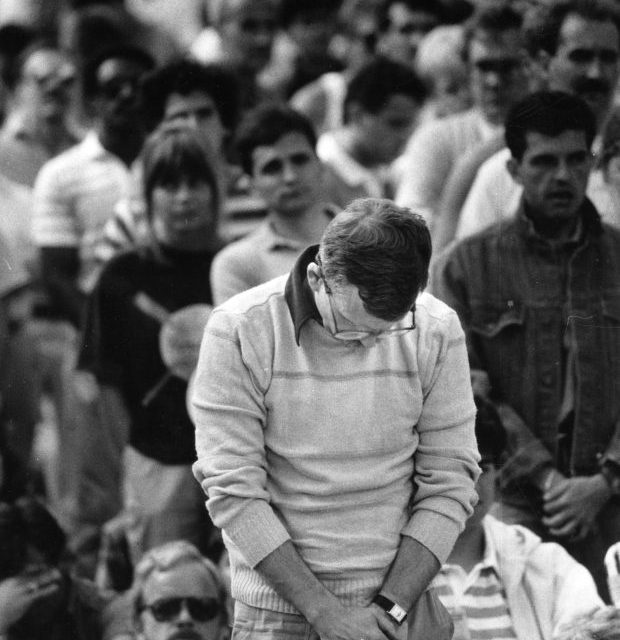
Lessons from the AIDS Crisis
Forty-five years ago, The New York Times published an article on a mysterious illness, then referred to as “gay cancer.” Few could have anticipated the gravity of what would become a major public health crisis in the United States. By the mid-1990s, I was engaged with the AIDS Legal Council of Chicago, working closely with a dedicated team. Each day, we assisted individuals with HIV/AIDS in preparing crucial legal documents. We often arrived at dire moments, when clients like Rex, a young man in his 20s, were nearing the end of life.
Rex’s apartment had morphed into a place of congregation, with friends offering support through stories, music, and laughter. These gatherings were marked by an intense blend of grief and reassurance. After finalizing his legal documents with our help, Rex passed away the following day. I have come to view that day as a choice Rex made to assert autonomy in his final moments, a poignant reflection of living with AIDS then, amid fear and uncertainty.
At that time, societal responses to AIDS included familial rejection and governmental neglect, with effective treatments yet to surface. Communities formed their own networks of care, embodying resilience and mutual support. Tragically, Rex died just before new medications were introduced that would dramatically change the landscape of HIV treatment, turning it into a manageable condition rather than a terminal diagnosis.
The Impact of Tragedy on Memory
The catastrophe of American Airlines Flight 191 in 1979 left an indelible mark not only on Chicagoland but on people across the nation. Eyewitness accounts of that fateful day reached far and wide, rendering profound empathy for the passengers. Families remain connected to the crash site, signifying a lasting bond with the location of their loss.
Similarly, personal tragedies, such as the head-on collision that claimed my mother’s life 27 years ago, imprint deeply. For many years, I consciously avoided the accident site in Virginia, unable to face the memories. Yet the memories persisted, and eventually, I found myself there again, acknowledging the emotional connection to the place and the event.
Seeing America in Everyday Struggles
Surviving an overdose left me reflecting on my cousin Lee, who was not so fortunate. As I encounter a familiar figure at a local intersection, I see more than just a man seeking help; I see a representation of America. This individual, who I dub John Elway, stands at the crossroads of survival, asking unspoken questions about collective responsibility and empathy.
John embodies a reminder of the need for advocacy and action beyond personal interests. I see in him both the struggles and the potential for resilience within our society.
Embracing Identity Amid Challenges
Op-eds by Rabbi Debra Newman Kamin and Steven D. Reske explored responses to antisemitism and the broader societal tension. Kamin argues for visible pride in Jewish identity as a counter to rising discrimination. Reske draws inspiration from jazz musician Miles Davis, who transformed discord into beauty, suggesting that challenges must be met with proactive and proud responses.
Historical events, including the Civil War and the civil rights movement, showcase America’s capacity to rise from discord to harmony. This legacy encourages all to stand confidently and visibly in American identity, shaping responses to modern challenges.
 Celebrating 30 Years of Fox News: An Inside Look
 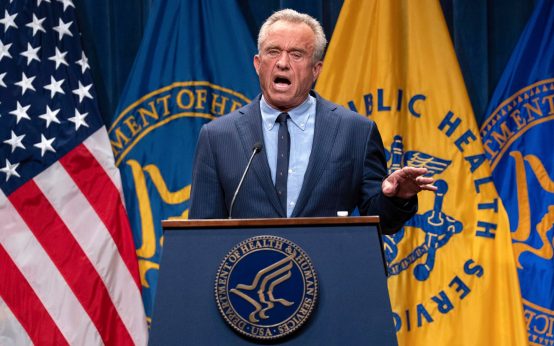 Potential Impact of Changes to the National Vaccine Injury Compensation Program
 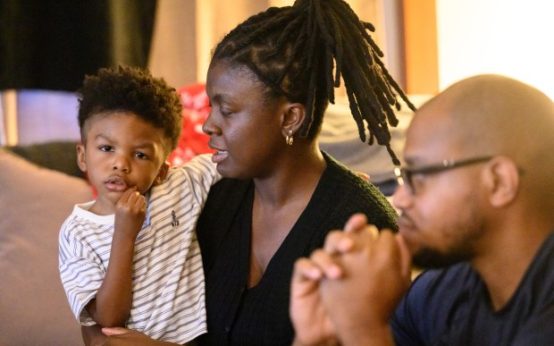 Living with Sickle Cell: The Glover Family’s Journey
 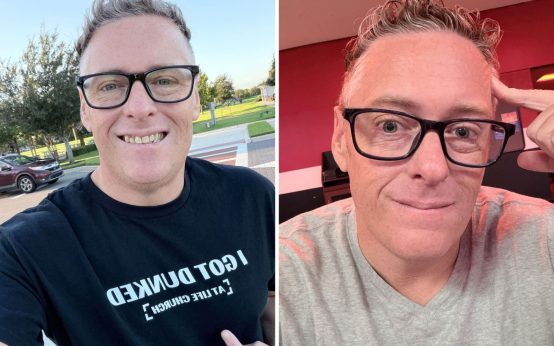 Living with Alzheimer’s: A Young Man’s Journey
  Understanding the Q-Collar: What Athletes Need to Know
  Medicaid Fraud Impacts Autism Services and Military Health Care Program