
The strategic importance of U.S. leadership in countering Russian aggression cannot be overstated. This urgency is highlighted by a recent war game conducted by members of Congress, as well as former military and diplomatic officials. The simulation, set in 2028, imagines an ongoing conflict in Ukraine with Russia seeking to exploit vulnerabilities in Europe by launching an attack on Moldova.
Such scenarios could have severe consequences for NATO allies. In the hypothetical situation, a Russian drone strike targets a fuel depot in Romania, a NATO member state, resulting in civilian casualties. This act of aggression underscores the potential for escalation and further destabilization in the region.
The situation necessitates decisive and proactive measures from the U.S. and its allies to prevent further Russian encroachment in Europe. Strengthening the strategic alliances and enhancing defensive capabilities are imperative steps to deter such actions.
Maintaining a united and robust stance against aggression is critical to ensuring security and stability in the region. The role of U.S. leadership and the importance of international cooperation are central to navigating these geopolitical dynamics effectively.
 Robert C. White Jr. Resigns from D.C. Council to Run for U.S. House Delegate
 White House Engages Veterans Ahead of Court Clash
 Russell Brand Trial Begins with Serious Allegations
 Senate Race Forecasts Shift in Favor of Democrats Ahead of Midterms
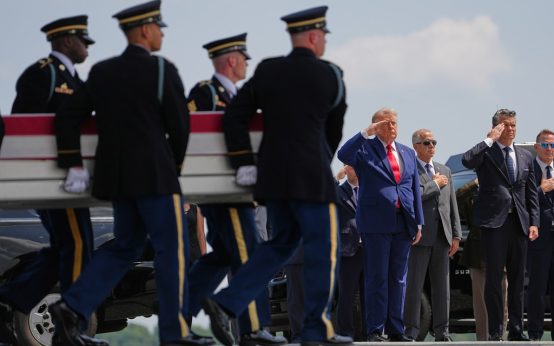 Pentagon Revises U.S. Military Casualty Figures Related to Iran Conflict
 Republicans in Defensive Mode Ahead of Midterm Elections