Resurgence of Murine Typhus in Texas
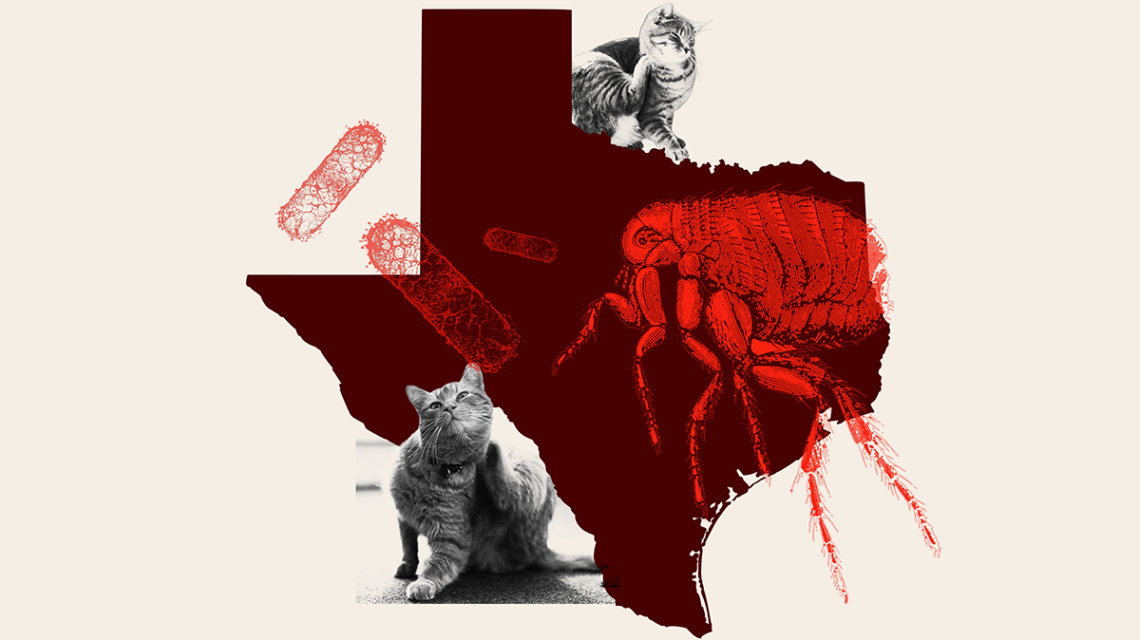
A flea-borne disease known as murine typhus is reappearing in parts of Texas. Research indicates that domestic pets might be bringing this illness into homes. Studies from southern Texas link fleas on cats to the bacterium responsible for murine typhus, leading to an increase in cases, including over a hundred hospitalizations in Galveston.
Understanding Murine Typhus
Murine typhus is caused by the bacterium Rickettsia typhi, transmitted through fleas. Symptoms appear 6 to 14 days after exposure and include fever, headache, rash, and nausea. Most cases are mild, but severe instances require hospitalization. Between 2019 and 2023, two deaths occurred due to the disease.
The disease spreads not person to person, but indirectly through flea feces entering the skin or mucous membranes. Fleas traditionally feed on infected rodents, but cats and their fleas might be helping spread the bacteria in homes.
Research Findings
Texas A&M’s study, published in Parasites & Vectors, found R. typhi DNA in fleas from domestic cats. Although only six out of 167 cats were positive, the region reported over 6,700 flea-borne typhus cases from 2008 to 2023. Despite limited data on local cats, these findings emphasize the importance of the ‘One Health’ approach, connecting animal and human health.
Preventive measures like treating pets for fleas can protect humans. The City of San Antonio Health District reported heightened flea-borne murine typhus levels and advised precautions like using repellents and managing rodent infestations.
Impacts in Galveston
Separate research from the University of Texas highlighted the disease’s severity. Reviewing cases from 2019 to 2023 identified 149 adults with murine typhus. Nearly 80 percent were hospitalized, with two fatalities attributed to multiorgan failure and severe immune reactions.
Older age and conditions like obesity, diabetes, and chronic kidney disease increased the risk of intensive care. The recent data from Galveston reveal a troubling trend, reflecting broader transmission issues in South Texas.
Historical efforts nearly eradicated murine typhus nationwide. However, its resurgence is now evident, linked to factors like cat populations, socioeconomic barriers to flea control, and warming temperatures.
For more information, reach out to the story editors: Kara Dolman and James Debens.
 Potential Changes in Medicare Reimbursement for Lab Tests
  Understanding and Addressing the Complexity of Suicide
  Recall of Meat Products from Star Meat Delivery Inc.
  Questions Arise After Presley Gerber’s Death in Rehab
  Upcoming Concerns and Influence in Health Politics
  Fraud Task Force Saves Billions by Tackling Obamacare Misuse