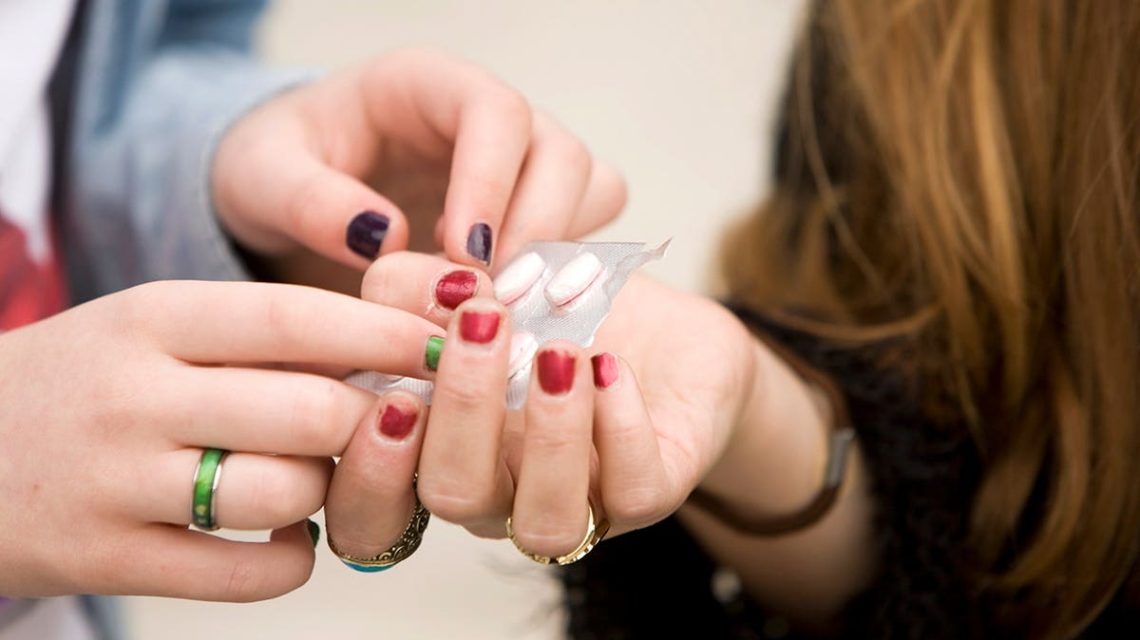
America’s youth are increasingly misusing over-the-counter medications, as indicated by records from poison control centers. A health advisory from America’s Poison Centers, which covers 53 such centers nationwide, has noted a worrying increase in cases of diphenhydramine abuse among teens aged 13 to 19. Diphenhydramine is a common ingredient found in allergy and sleep medications like Benadryl and Zzzquil.
Increased Cases of Diphenhydramine Abuse
From 2024 to 2025, exposure to any substance among teens within this age bracket rose by 5.1%. However, instances involving diphenhydramine spiked more significantly, climbing from 10,068 to 13,284 cases—a 32% increase. A stark 13% of diphenhydramine-related cases in 2026 have been linked to intentional misuse, up from 7.3% in 2020.
This trend shows no sign of slowing, with the first five months of 2026 alone seeing 6,179 diphenhydramine-only cases among teens, a more than twofold increase from the previous year. America’s Poison Centers indicate that recreational misuse, rather than accidental intake, drives this exposure.
“Taking diphenhydramine incorrectly or in large quantities can impact the brain and heart, potentially causing severe or life-threatening effects,” the advisory warns.
Symptoms of Diphenhydramine Poisoning
Effects of diphenhydramine poisoning include drowsiness, agitation, increased heart rate, nausea, vomiting, hallucinations, seizures, dangerous heart rhythms, and loss of consciousness. To reduce the risk of overexposure and other complications, the public should store all medications safely, out of reach of children and teens, and adhere strictly to label instructions.
Addressing Misuse Through Education and Awareness
America’s Poison Centers advises discussing the risks of medication misuse with teenagers, including potential severe health effects and poisoning. Awareness of social media trends or challenges that encourage unsafe medication use is crucial.
Kenvue, the manufacturer of Benadryl, emphasized that the safety of users is their top priority. The company stated that social media trends promoting misuse are extremely dangerous. They are actively working to remove such content and educate about safe medication use and storage.
“OTC medicines should not be used for recreational purposes, and misuse should not be confused with safe, effective use,” stated Mary Leonard of the Consumer Healthcare Products Association.
To prevent misuse, Kenvue recommends reporting any concerning content on social media platforms, storing OTC medicines securely, and following label instructions. Dosing information and safety guidelines can be found at Benadryl’s official website, and users should consult healthcare professionals for any questions.
 Recall of Meat Products from Star Meat Delivery Inc.
  Questions Arise After Presley Gerber’s Death in Rehab
  Upcoming Concerns and Influence in Health Politics
  Fraud Task Force Saves Billions by Tackling Obamacare Misuse
  Presley Gerber’s Passing Raises Addiction Recovery Concerns
  Understanding October SNAP Benefits: Payment Dates and Changes