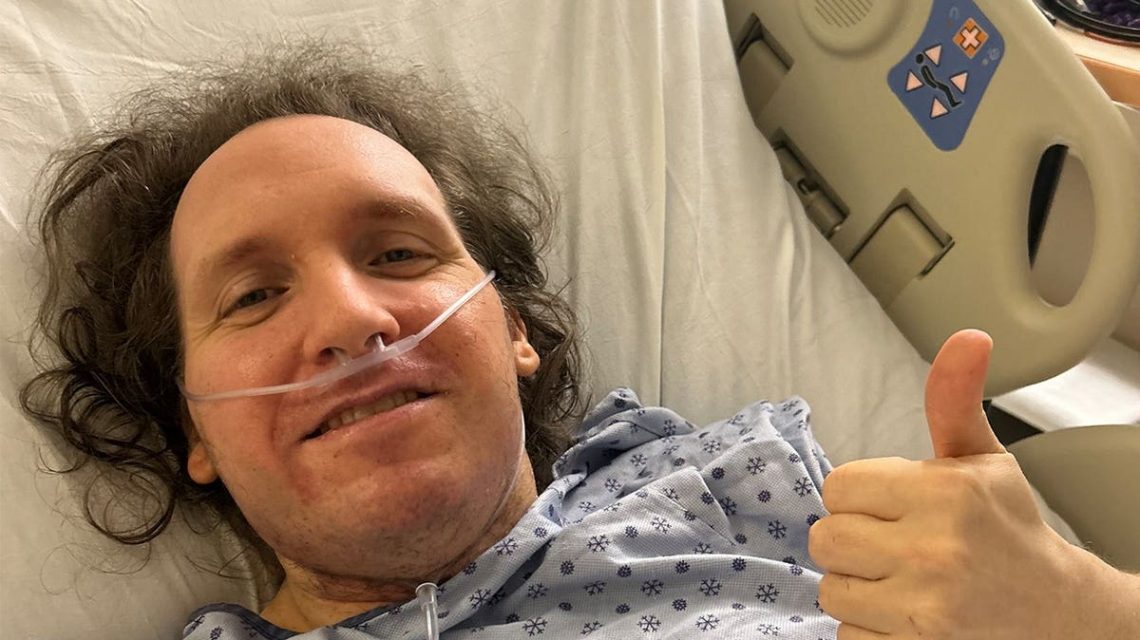
Roger Foley, a Canadian man battling spinocerebellar ataxia, has faced a difficult journey in his quest for self-directed home care. Despite his determination to secure a care arrangement that meets his specific needs, Foley has encountered challenges and discussions about medically assisted death.
Hospitalization and Challenges
Since 2016, Foley has been hospitalized at Victoria Hospital of the London Health Sciences Centre in Ontario, striving for a home-care arrangement. He remains medically stable but faces obstacles due to his complex needs. According to a July 7, 2026 letter from his attending physician, Dr. George K. Dresser, Foley could be discharged if he had adequate home support.
“By any reasonable clinical standard, you could be discharged from our hospital if you had adequate support at home,” Dr. Dresser stated.
Dr. Dresser also noted the financial implications of prolonged hospitalization and advocated for a self-directed care model, suggesting it would cost less and provide better care.
Struggles with Hospital Standards
Foley’s fight broadened in 2017 during a disputed discharge process when assisted dying was raised again. Foley expressed his desire to return home, saying, “I don’t want to die.” Financial constraints and withdrawn lighting accommodations for his neurological condition have further complicated his situation.
Efforts for Change and Advocacy
Foley is working toward raising funds to support his transition to home care. He is part of “Bring Roger Home,” a project raising money for his care needs. The effort includes releasing music recorded earlier to aid similar causes. Foley explained the significance of self-directed funding for patients with disabilities.
“I’m not giving up,” Foley said. “I don’t want to die, my daughters know I don’t want to die.”
Foley’s frustration with Canada’s Medical Assistance in Dying (MAID) system reflects his concerns that patients lack necessary care and support before considering assisted death. He argues for meaningful access to treatment and disability assistance.
Foley’s Message and Vision
Despite challenges, Foley remains hopeful, aiming to return home, reconnect with loved ones, and live independently. He stands against the MAID system, advocating for better medical care safeguards. Foley’s story encourages belief in oneself despite adversity.
“Even in the darkest times,” Foley said, “you can still find a light at the end of the tunnel to go towards.”
Fox News Digital sought comments from London Health Sciences Centre and other involved parties but did not receive immediate responses.
 ADHD Linked to Increased Risk of Early Death, but Medication May Help
 Delta Flight Diverted and Pittsburgh Penguins Incident: Medical Emergencies in the Air
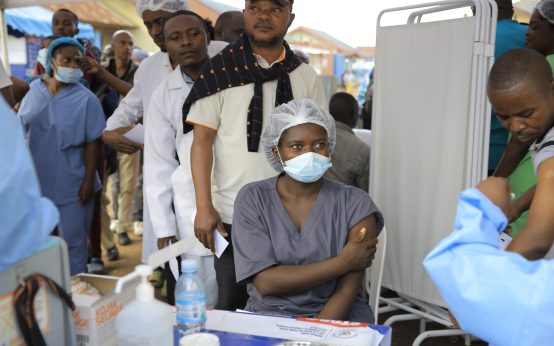 Nigeria Confirms Ebola Case Amid Wider African Outbreak
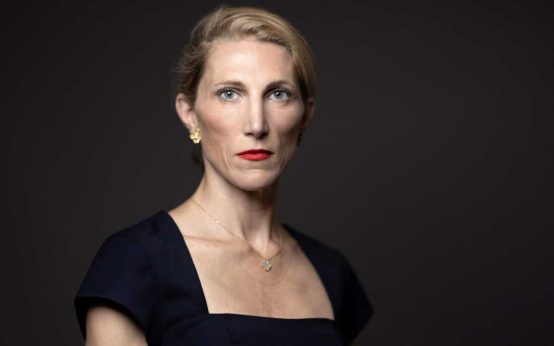 Dr. Vanessa Kerry Appointed WHO’s Special Envoy for Health Resilience
 Christina Applegate Addresses Misdiagnosis of Multiple Sclerosis on Podcast
 How to Approach End-of-Life Planning with Aging Parents