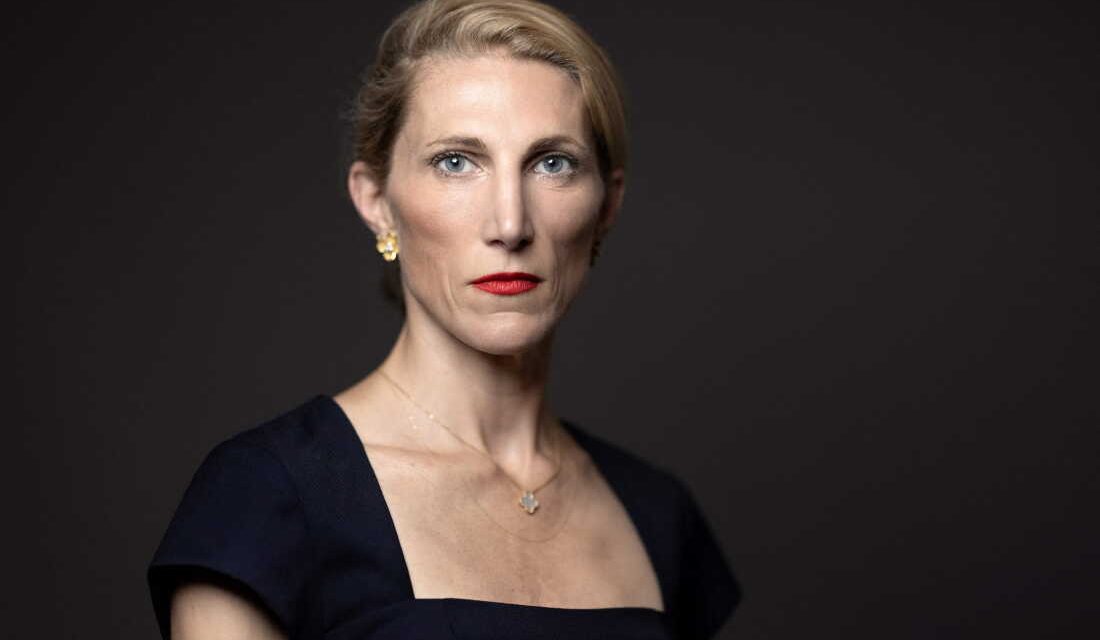
Dr. Vanessa Kerry has taken on the role of special envoy for health resilience at the World Health Organization (WHO). Resilience, frequently mentioned, means being prepared, according to Kerry’s view. In global health, this means establishing robust systems, ensuring primary care, and having response capabilities. These principles shape her approach in her new position.
Kerry boasts an impressive career. She was WHO’s inaugural special envoy for climate change and health and is the director of global health and climate policy at Harvard School of Public Health. Moreover, Kerry is the founder and CEO of Seed Global Health, a nonprofit that has worked for over a decade to enhance resilience in low-resource countries. The organization deploys coaches to educate and train local healthcare workers and builds financial and material resources.
Her activism stems from significant experiences in earlier years. In grade school, Kerry aspired to be a doctor. At 14, while visiting Vietnam with her father, John Kerry, she was moved by the poverty she encountered. Later, during her medical training, a pivotal moment occurred in Rwanda, facing challenges in a hospital environment lacking adequate resources.
At the hospital in Rwanda, during the delivery of a baby, she collaborated with a nurse. The situation was critical, with no advanced imaging or targeted training. Fortunately, through remembered maneuvers, the mother and child survived. Kerry recognized that similarly strained systems required transformation.
This led to the genesis of Seed Global Health. Rather than periodic visits by international doctors, Kerry focused on creating opportunities for sustainable health care improvements. Her collaboration with the Peace Corps concentrated on training healthcare professionals in sub-Saharan Africa from 2012 to 2018, aiming for epidemic control and skill development.
Seed’s initiatives in Uganda illustrate its impact. Partnering with the Ministry of Health, they trained 30 emergency medicine physicians. During an Ebola outbreak, these trained individuals helped prepare over 3,000 health workers in managing cases and controlling infections. Kerry emphasizes that training health workers enable monitoring, prevention, and healthcare provision.
Her new position involves crafting responsive healthcare systems. Kerry critiques the funding approach of reacting to each disease and crisis independently, advocating for a more strategic system. Her goal is establishing infrastructures for health systems in advance, rather than only responding to emergencies. She underscores the importance of listening to local perspectives and prioritizing care for populations effectively.
Kerry emphasizes availability of funds to address disease burdens more efficiently. Her work and perspectives aim at transforming how global health resilience is approached, paving the way for a more prepared healthcare environment.
Reference: Diane Cole is a noted writer contributing to publications like The Wall Street Journal and The Washington Post. She authored a memoir, ‘After Great Pain: A New Life Emerges,’ available through her website.
 Christina Applegate Addresses Misdiagnosis of Multiple Sclerosis on Podcast
 How to Approach End-of-Life Planning with Aging Parents
 Nationwide Recall of Compounded GLP-1 Injections
 Trump Launches Initiatives for Women’s Health Research
 Meta’s Settlement and AI’s Impact on Youth
 Susie Wiles Shares Her Journey to Becoming Cancer-Free