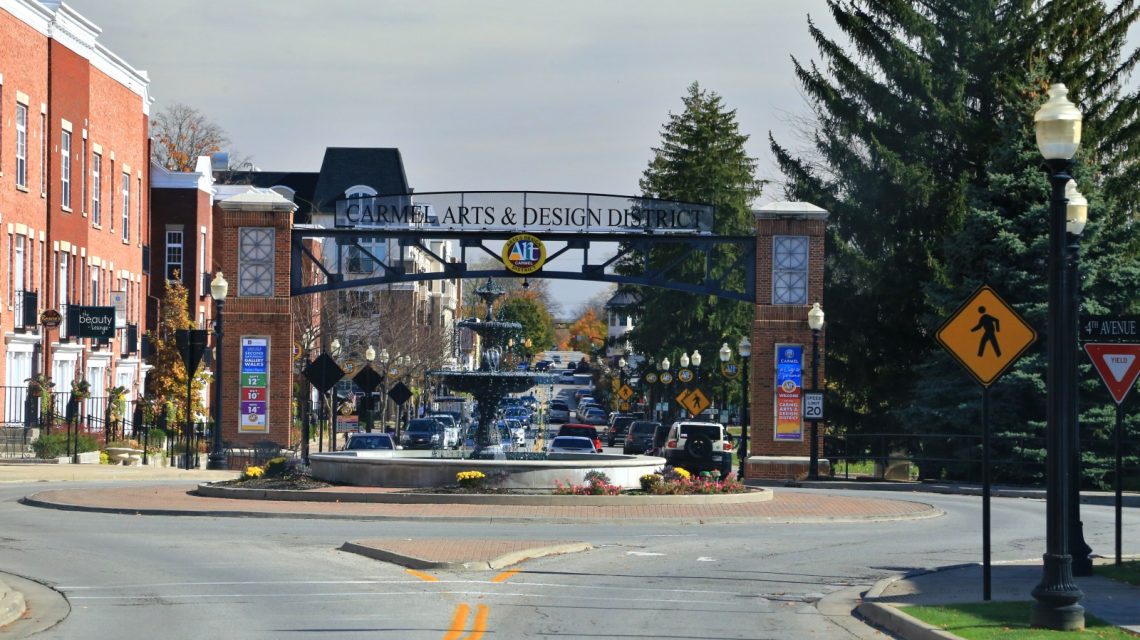
America’s latest livability rankings highlight smaller suburban cities with robust job markets, reduced crime rates, and affordable living costs. Carmel, Indiana, has been named the top place to live in the latest consumer rankings report. Published by U.S. News & World Report’s real estate division, the list evaluates the best places to live in the United States for 2026-2027, considering factors like housing affordability, overall living costs, quality of life indicators including healthcare and education, and desirability elements like crime rates and climate.
Why Smaller Cities Are Dominating
The rankings reveal that many of the top-rated cities are mid-sized suburban communities instead of large urban areas. According to U.S. News, these premier locations often feature strong local economies with low unemployment, quality schools, manageable commutes, and easy access to amenities. Recent Census Bureau data supports this trend, showing sustained population growth in the outskirts of major metro regions, notably in the South and Midwest. This trend represents a shift toward suburban and exurban areas that provide more affordable housing and expansion opportunities.
Evaluating 250 cities, the rankings suggest a preference among Americans for space, lesser commute times, and economic security rather than residing in major urban centers.
Top 10 Cities in the U.S.
- Carmel, Indiana (Overall Score: 7.2)
- Fishers, Indiana (Overall Score: 7.2)
- Flower Mound, Texas (Overall Score: 7.1)
- Ankeny, Iowa (Overall Score: 7.1)
- Johns Creek, Georgia (Overall Score: 7.1)
- Hoover, Alabama (Overall Score: 7.0)
- Rochester Hills, Michigan (Overall Score: 7.0)
- Leander, Texas (Overall Score: 7.0)
- Frisco, Texas (Overall Score: 6.9)
- Sugar Land, Texas (Overall Score: 6.9)
Carmel, Indiana
Located north of Indianapolis, Carmel leads the rankings with a 7.2 out of 10. The city boasts a population of approximately 103,768 and a median household income of $144,615, according to U.S. News. Experts note that Carmel offers a greater value of living relative to similar-sized cities. Although the median home value of $477,625 in Carmel surpasses the national median of $359,870, the city benefits from a strong job market and short commute times.
About 73.6% of residents drive to work, with average commute times around 20.85 minutes, slightly below the national average. Furthermore, the city has a lower unemployment rate of 3.3%, compared to the national average of 4.5%. The development of Carmel’s downtown area has introduced restaurants, retail outlets, and cultural attractions such as the Center for the Performing Arts, attracting families and professionals seeking suburban but urban-like amenities.
Texas and Indiana’s Strong Performance
Texas and Indiana have made an impressive showing in the rankings, with multiple cities in the top 10. Texas featured cities like Pearland, League City, and Leander among the highest-ranked, while Indiana had Carmel and Fishers in the top five. According to the Census Bureau, several of the fastest-growing communities in recent years are located on the outskirts of large metropolitan areas, particularly in Sun Belt states where housing development and population growth surpass older urban cores.
Cities with Lower Rankings
On the opposite end of the spectrum are larger cities grappling with economic and infrastructure issues. The 10 lowest-ranked cities are:
- San Bernardino, California
- Detroit
- Brownsville, Texas
- Shreveport, Louisiana
- Mobile, Alabama
- Jackson, Mississippi
- Augusta, Georgia
- Baton Rouge, Louisiana
- Beaumont, Texas
- Memphis, Tennessee
Implications of U.S. Migration Trends
The rankings highlight broader migration trends reshaping the U.S., with a noticeable shift toward smaller cities and suburban communities offering reduced costs and more space. Census Bureau data indicates that communities in suburban and outer-ring areas around major metropolitan regions have shown significant population increases between 2024 and 2025.
This movement is likely influenced by factors like remote and hybrid work arrangements, housing affordability pressures, and quality-of-life considerations, all of which gained momentum during and following the COVID-19 pandemic.
 Former Federal Prosecutor Sells Lincoln Park Mansion
  Former Chicago Bulls Guard Jevon Carter Sells West Town Home
  Understanding Real Estate Fees
  Homeowners’ Guide to Home Equity Loans: Costs and Considerations
  Trump’s Childhood Home Renovated and Sold for Nearly $2 Million
  Luxury Five-Bedroom Home for Sale in Edgewater, Chicago