
Chung Yong-jin, chairman of Shinsegae Group, issued his second apology in two weeks over a controversial Starbucks marketing campaign. Chung’s group holds a 67.5% stake in Starbucks Korea, now facing backlash for its campaign deemed disrespectful to victims of a military crackdown on pro-democracy protesters.
In a televised statement, Chung apologized to the families of democracy activists killed by the former military dictatorship and the public. He offered three deep bows, a gesture signifying a sincere request for forgiveness.
The controversy arose from a promotion involving a large tumbler, called a “tank,” with May 18 declared “Tank Day.” This date marks the anniversary of the 1980 Gwangju massacre during a democratic uprising. The slogan “Thwack it on the table!” further incited anger, as it echoed a 1987 police statement on the torture death of student activist Park Jong-chol.
Public outrage led to the campaign’s swift cancellation and the firing of Starbucks Korea’s chief executive. An investigation opened by police, prompted by complaints from families affected by the Gwangju crackdown, is underway.
Chung stated, “I take it very seriously the fact that many people felt deep pain and anger because of Starbucks Korea’s inappropriate marketing campaign.” He urged the public not to vent frustration on Starbucks staff, attributing responsibility to management. No major incidents at stores have been reported.
Chung’s initial apology on May 19 acknowledged the campaign’s impact on victims, families, and the general public. Jeon Sangjin, a senior Shinsegae executive, noted the lack of conclusive evidence pointing to intent by marketing employees to mock the pro-democracy movement. Some employees reportedly declined management requests to surrender smartphones during an internal review.
Public calls for boycotts have surged, endorsed by government officials. Interior and Safety Minister Yoon Ho-jung announced a ban on Starbucks products at government events, criticizing the brand’s behavior as “anti-historical.” President Lee Jae Myung condemned the campaign on X, describing it as “inhumane and disgraceful behavior” that undermines South Korean values.
The 1980 Gwangju crackdown followed General Chun Doo-hwan’s late 1979 coup. Official figures indicate around 200 deaths in Gwangju, while activists assert higher fatality numbers. Chun’s regime imprisoned tens of thousands to eliminate perceived social evils. Nationwide protests in 1987 forced Chun to accept constitutional reforms and direct presidential elections, marking a pivotal shift towards democracy in South Korea.
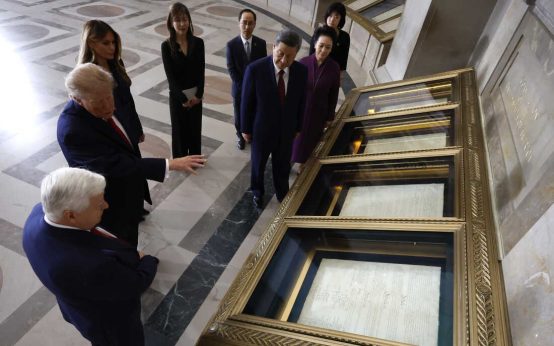 Sensitive Discussions During Trump’s National Archives Visit with Xi Jinping
 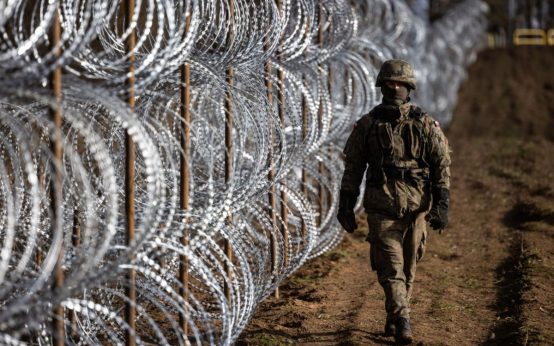 Escalating Tensions Between Russia and the UK
 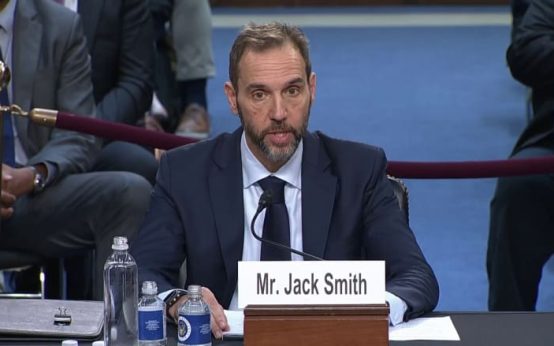 Key Events in Politics and Technology: U.S. and U.K. Developments
 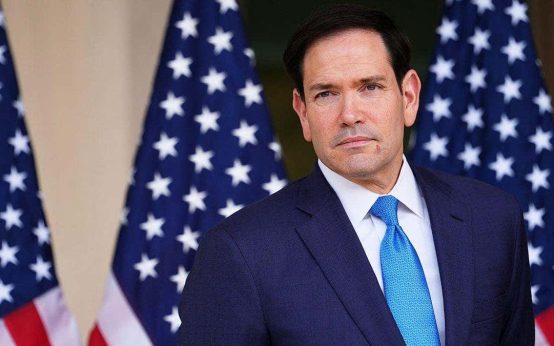 Secretary of State Rubio Comments on Recent UK Terror Threat
 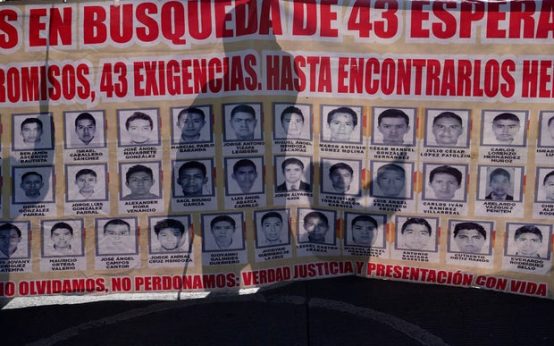 New Developments in Ayotzinapa Case: 17 New Suspects Identified
 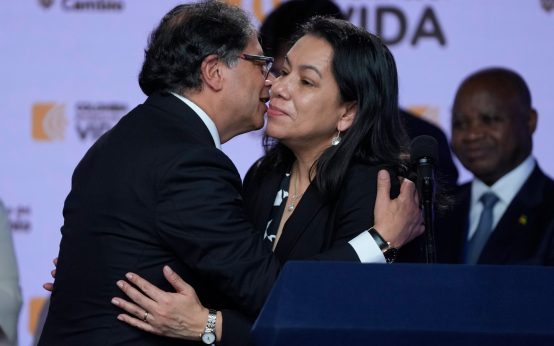 Concerns Arise Over Rodrigues-Birkett in Race for UN Secretary-General