
The long-serving publisher of Stars and Stripes, Max D. Lederer Jr., has announced his retirement effective at the end of September. This conclusion to his career aligns with Defense Secretary Pete Hegseth’s efforts to modify the military newspaper’s editorial direction. Lederer stated that the divergence in leadership philosophy and mission understanding between him and the Department of Defense leadership prompted his decision.
Lederer made the announcement in a memo to staff and an interview with Stars and Stripes. He remarked that there is a clear difference in values and mission between his vision and the Pentagon’s current direction for the publication. Goodwill for editorial independence has been a touchstone, as the outlet receives partial funding from the Defense Department but prides itself on independence from military and governmental influence.
“No one should be surprised at the removal of the one person charged by Congress with protecting Stars and Stripes’ editorial independence,” former ombudsman Jacqueline Smith wrote in a column.
Stars and Stripes has played a crucial role in reporting conditions aboard the USS Abraham Lincoln, notably concerning the mental health of sailors during extended deployments, a matter played down by President Donald Trump. These changes highlight a broader push by the Pentagon to steer the newspaper towards specific messaging goals.
Defense Department spokesman Sean Parnell commented in January that the publication would focus more on war-related content, moving away from unrelated reporting. Parnell suggested the outlet would prioritize topics like warfighting and military systems.
The influence of Secretary Hegseth extends further as there are efforts to curb media coverage related to the department. Last year, new restrictions led journalists to surrender credentials, and another Pentagon policy now mandates escorts for journalists on its grounds. This policy remains contested in court, with recent rulings allowing its continuation.
In a controversial April column, Smith raised alarms about the tightening media restrictions. Her piece forwarned against losing journalistic independence, potentially affecting Stars and Stripes. Smith emphasized the outlet’s historical commitment to military audiences and journalistic integrity.
Lederer, not available for further comments, expressed concern that the Pentagon’s modernization plans—primarily transitioning to digital—could hinder access for troops. Concerns also rose from reports of a deputy’s appointment by the Pentagon without Lederer’s prior knowledge, an event that, according to Rufus Friday, chair of the advisory board, threatens to undermine editorial independence.
Stars and Stripes derives around half of its funding from the Department of Defense, with staff classified as defense employees. Its mission explicitly affirms editorial independence, emphasizing its unique First Amendment role among defense-related media.
The publication has chronicled military life consistently since World War II, providing valuable information to an audience of service members overseas.
As his retirement approaches, the future leadership of the publication remains uncertain, with Lederer questioning whether he will stay as publisher until the formal end date or if an acting publisher will be appointed.
 University of Arizona Suspends Six Fraternities Amid Investigations
  British Airways Flight Makes Emergency Return to Heathrow
 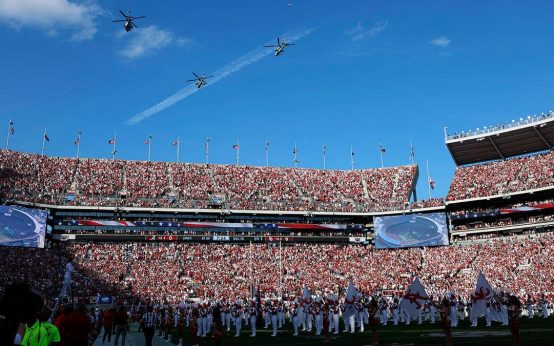 Impending Hurricane and SEC Football Game: Decisions Await
 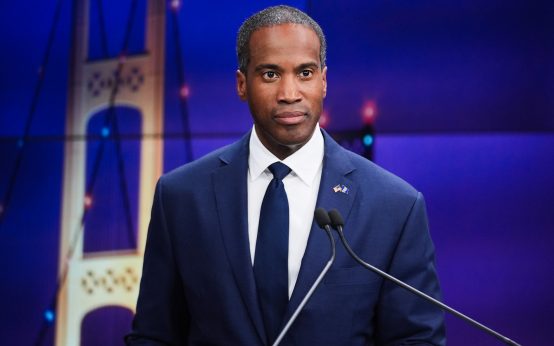 Susan Collins and Troy Jackson Clash in Maine Senate Debate
  Barriers in Affording GLP-1s in America
  Family Mourns the Loss of Haitian Student, Pierre Damas Bel