
This year, over 200 proposals were introduced in 34 states, aiming to dismantle vaccination regulations or cast doubt on vaccine safety. These bills targeted various components crucial to public vaccination, from educational pamphlets to school and employer vaccination prerequisites. Wisconsin proposed designating October as “Immunization Injury Awareness Month,” while Iowa suggested eliminating school vaccination mandates.
A total of at least 400 vaccine-related bills were submitted, with 209 seeking to weaken existing systems or diminish public trust in vaccines, according to a New York Times analysis. Although only a few bills became law, proponents intend to introduce new proposals in future sessions.
Bills Challenging Vaccination Rules
These proposals fell into five key categories: weakening rules, augmenting legal protections for the unvaccinated, promoting claims of vaccine dangers, targeting mRNA or Covid vaccines, and altering vaccination systems. Public health experts warned that if all measures had passed, they would have decreased vaccine confidence and led to disease outbreaks. However, only nine bills became law, though advocates claim significant progress.
“Bills that would have died in committee in previous sessions are now passing one chamber, sometimes two,” noted Jack McClure of the Association for Immunization Managers.
Pro-vaccine Efforts and Opposition
Supporters of vaccines introduced numerous bills to facilitate access and highlight safety. A dozen states enacted laws preserving childhood vaccination recommendations. Vaccine critics, emboldened by Health Secretary Robert F. Kennedy Jr., advanced their agenda on the grounds of health freedom and personal rights.
Some proposals aimed to remove longstanding immunization requirements, sparking concern among health specialists. A lack of requirements could lead to fewer vaccinations due to perceived inconvenience.
Proposals Protecting Unvaccinated Individuals
Some legislators supported legal protections for those rejecting vaccines. States proposed a “bill of rights” for unvaccinated individuals and anti-discrimination measures.
In Florida, initiatives to eliminate vaccine mandates for children stalled following White House pressure on Mr. Kennedy, indicating possible electoral consequences.
Bills Highlighting Vaccine Risks
Few laws based on unfounded safety concerns passed, like those requiring recent vaccines to be listed on deceased children’s reports. This aligns with debunked claims about vaccines causing sudden infant death syndrome, despite scientific evidence refuting such claims.
“Seeing such bills might make people question vaccine safety,” stated Dr. Herricks. “But vaccines significantly contribute to childhood survival.”
Opposition to mRNA and Covid Vaccines
Years-long efforts to ban Covid vaccines persisted. Proposals included labeling such vaccines as “weapons of mass destruction” and requiring meat from mRNA-vaccinated animals to carry special labels. Though unsuccessful, they spread misinformation that may hinder necessary healthcare.
Changes to Vaccination Processes
Some proposals sought procedural changes, such as requiring parental consent for certain vaccinations. Other measures addressed insurance coverage and vaccine injury claims management, despite vaccine-related severe side effects being rare.
Political Dynamics and Future Moves
Most vaccine-related legislation divided lawmakers along partisan lines. Bills undermining vaccination systems were predominantly supported by Republicans, predominantly advancing in Republican-majority states.
Despite limited success, vaccine critics plan to introduce more proposals nationwide. Del Bigtree, of the Informed Consent Action Network, expressed optimism about shifting legislative dynamics.
Data Analysis: The Times analyzed over 400 vaccine-related bills tracked by the Association of Immunization Managers and considered input from various organizations and experts. Data spans from August 1, 2025, to July 1, 2026.
 Recall of Meat Products from Star Meat Delivery Inc.
  Questions Arise After Presley Gerber’s Death in Rehab
  Upcoming Concerns and Influence in Health Politics
 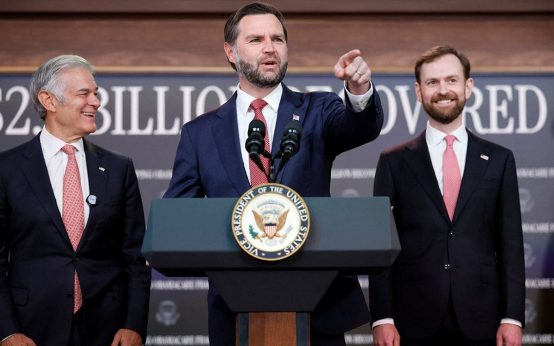 Fraud Task Force Saves Billions by Tackling Obamacare Misuse
  Presley Gerber’s Passing Raises Addiction Recovery Concerns
 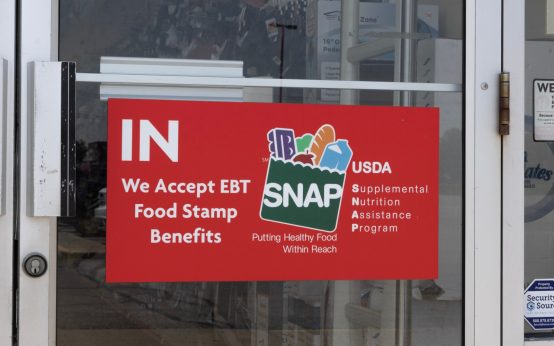 Understanding October SNAP Benefits: Payment Dates and Changes