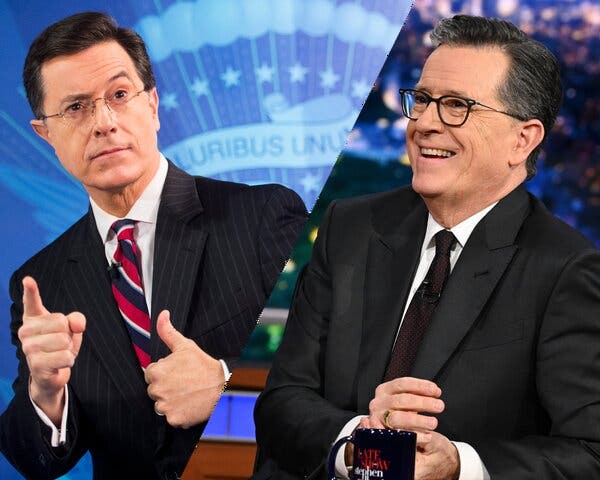
Stephen Colbert’s tenure as a host on late-night television, particularly The Late Show, represents the end of a cultural chapter. With his departure on May 21, it marks over two decades of Colbert’s influence in late-night hosting, posing the question: what era does this signify the end of?
The concept of late-night TV dying has been discussed for decades. The days of a singular media culture have vanished. Ratings are lower, and production costs are high. Despite these challenges, the end of The Late Show aligns us with the landscape of when David Letterman started this franchise in 1993, alongside other figures like Jimmy Kimmel and various cable shows.
The Colbert Report, which began in 2005, mainly satirized the political-media sphere, featuring Stephen Colbert as an over-the-top television persona.
The reason isn’t simply audience fatigue with political humor. Throughout his career, Colbert maintained the top ratings in his time slot. Even if CBS’s decision to cancel The Late Show is seen as purely financial, similarities to past decisions, like the replacement of the Smothers Brothers’ political comedy show with Hee Haw in 1969, suggest a deeper narrative.
During his time, Colbert managed to thrive in a period when political TV comedy could succeed by taking a stance. This journey had two distinct chapters, closely mirroring his two shows. First was a satirical take on politics, followed by a period where politics seemed to parody itself.
When Colbert launched The Colbert Report on Comedy Central in October 2005, he arrived with a clear and provocative approach. His style was direct and critical, resembling a javelin-like critique of the political-media system.
 Taylor Swift’s Countdown Sparks Speculation Among Fans
 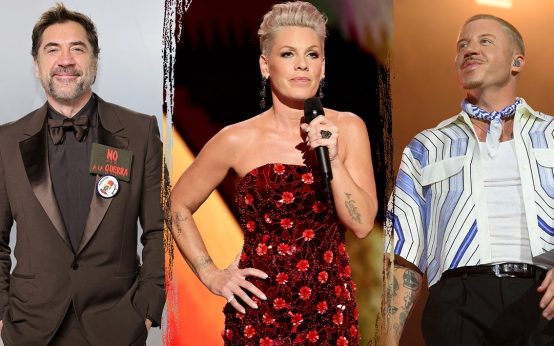 Javier Bardem Faces Backlash Over Pink’s UNICEF Controversy
  Discussion on NFL Draft Comparison and Simone Biles’s Car Issue
  Ella Langley Makes Billboard Hot 100 History with ‘Choosin’ Texas’
  Bunnie Xo’s Post-Divorce Adventures Spark Debate Over Age Gap
  Alan Ritchson Faces Backlash Over Political Remarks