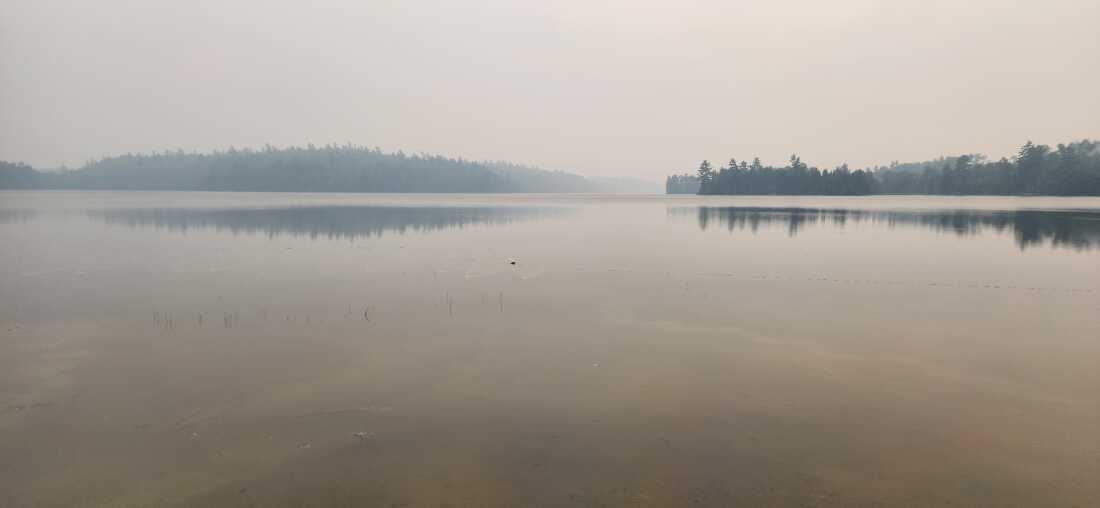
During July, Camp Widjiwagan in Ely, Minnesota, was enveloped by wildfire smoke. This scenario offers a glimpse into a broader issue faced by various summer camps and communities throughout the United States.
On a sunny summer day in July, seven-year-old Penelope enjoys playing a mermaid at Beauvoir Summer Camp in Washington, D.C. She explains she uses a pool noodle as a dolphin and plays with friends. The camp offers free swim days on Fridays, with children excitedly using kickboards and toy torpedoes. In the kiddie pool, younger campers perform twists and turns joyfully.
For Penelope and her friend Sam, pool time is the highlight of camp. However, the pool remained empty during certain free swims due to hazardous air from wildfire smoke. Earlier in the season, extreme heat reduced outdoor playtime.
This summer confronted families with severe weather and wildfires nationwide. Fires in Northern Minnesota and Canada led to dangerous smoke across the Midwest and Northeast. Floods in Texas prompted disaster declarations, while a heatwave marked July Fourth celebrations.
Research reveals that as fossil fuel burning warms the climate, events like heatwaves, droughts, hurricanes, and floods increase in intensity and frequency. Families have noticed; for instance, in Pennsylvania, Lauren Smith encountered both oppressively hot soccer camp days and wildfire smoke. A bout of heavy rain allowed her kids to get active outdoors.
Smith notes that rain or shine, her children are eager for outdoor adventures. They also discovered new indoor pastimes like organizing the house, baking, and painting acorns during extreme weather conditions.
This generation of children already experienced disruption from COVID-19 lockdowns, and now they face extreme weather challenges.
Summer Camps Confront a New Reality
Summer offers about three months away from school routines. A 2024 Gallup survey found over half of U.S. parents enroll their children in structured summer programs. Henry DeHart, CEO of the American Camp Association, highlights that camp experiences foster independence, problem-solving, and teamwork.
Though camps adapted to weather changes for decades, DeHart notes an increase in high-heat index days. Previously rare, more days now exceed 105 degrees Fahrenheit.
Specific camps respond differently to challenges. In Ohio, Miakonda Day Camp adjusted to wildfire smoke using masks and carried out indoor activities like swimming exercises and inflatable archery sessions.
Meanwhile, Camp Widjiwagan in Ely, Minnesota, evacuated due to wildfires. An evocative photo of submerged canoes from the camp illustrated the situation. Ben Hoffman, the camp’s executive director, mentioned that protecting historical canoes by underwater submersion was unprecedented.
Eleanor Pitts, a camper at Widjiwagan, missed the planned homecoming celebration post-backpacking trip due to smoke conditions. The travel emphasized the immediate impacts of climate change, with heat-related flooding spotted in Canada.
Going forward, summer camp programs will factor in this evolving reality. In Washington, D.C., Beauvoir Summer Camp’s director Drew Mackay emphasized adapting to extreme weather. Despite these conditions, children remain focused on maximizing their pool time.
 Cold Weather Alerts and El Niño Influence
  Turning Home Food Waste into Compost: A Guide
  Chicagohenge: When Sunlight Aligns with City Streets
  Fat Bear Week 2026: A Look at the Contest and Its Competitors
  California Governor Declares Statewide Emergency Ahead of El Niño Storms
  EPA Rollbacks and the Impact on Indiana Communities