Truce Brings New Challenges for Syria
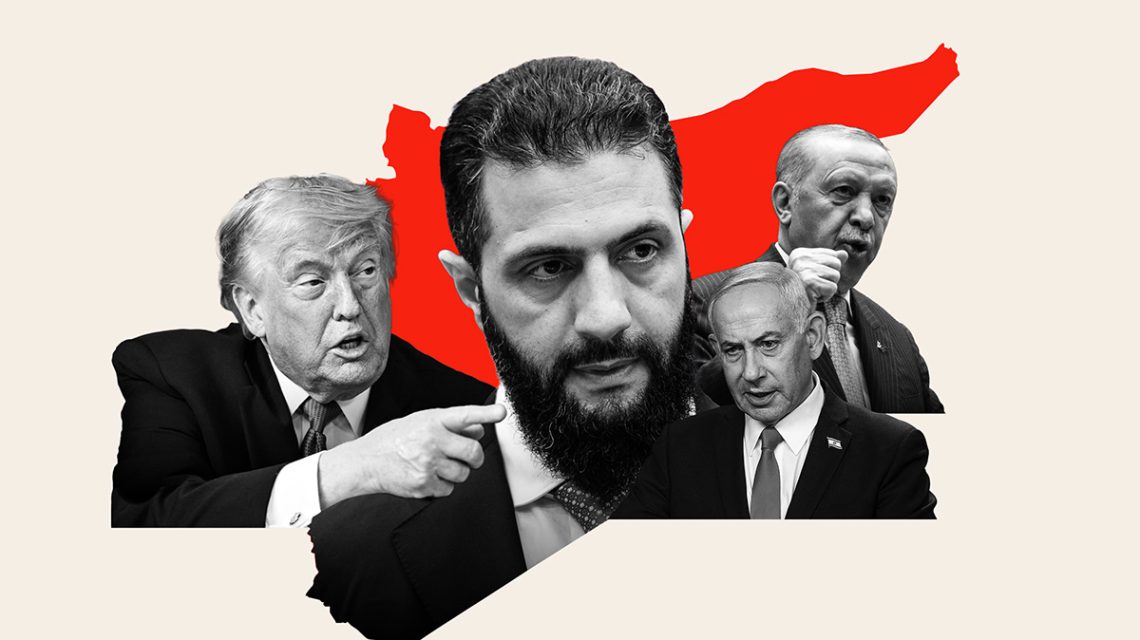
The United States and Iran have reached a tentative truce. As this unfolds, Syria finds itself navigating pressure from different fronts in the Middle East. Since President Ahmad al-Sharaa ascended to power after a period of civil unrest, his primary focus has been rebuilding Syria. This has kept Syria away from deeper regional conflicts.
Syrian Leadership Under Pressure
Ahmad al-Sharaa faces significant external pressures. On one hand, Israeli Prime Minister Benjamin Netanyahu seeks to destabilize Sharaa’s regime. Conversely, Turkish President Recep Tayyip Erdogan, one of Sharaa’s supporters, promotes stability in Syria. Furthermore, President Trump’s administration suggests Syria take a more active role against Hezbollah in neighboring Lebanon.
Syrian diplomat Bassam Barabandi recognizes the lack of popular support for Hezbollah among Syrians. However, he points out that involvement in Lebanese affairs presents risks without benefits. Barabandi states that Syria maintains stable relations with surrounding nations and prefers to stay out of regional disputes.
U.S. Policy Shifts
Discussions about Syria’s potential involvement in Lebanon became prominent following President Trump’s remarks. In a televised interview, Trump mentioned Syria as a strategic participant in potentially addressing Hezbollah’s activities. Trump has praised Sharaa’s leadership, signaling a major shift in U.S. policy given Sharaa’s past ties with Al-Qaeda before assuming leadership.
The recent U.S.-Iran memorandum has led to temporary peace, but Trump’s comments have stirred concerns. President Sharaa has publicly addressed misinterpretations regarding Syria’s military involvement in Lebanon. He suggests focusing on enhancing Lebanese state institutions and stability.
Longstanding Regional Dynamics
The historical context of Syria’s influence over Lebanon adds complexity to any new engagement. During the civil war in Lebanon and its subsequent occupation, Syria exerted substantial influence. Hezbollah’s military support of Syria during its civil war against various groups further intertwined their fates.
James Jeffrey, a former U.S. representative to Syria, recommends Syria’s non-involvement in Lebanon. Sometimes seen by Israel as unfavorable, Syria’s priority remains economic recovery. The U.S. backing helps Sharaa maintain peace with Netanyahu, balancing the fine line between regional expectations and national interests.
The Interplay with Israel and Turkey
Israel’s resistance to Sharaa is multifaceted. Netanyahu remains wary of the Syrian leader’s peaceful pronouncements. Following Assad’s overthrow, Netanyahu authorized substantial military aggression within Syria, justifying actions by linking them to the protection of Druze communities.
Internally, Israel’s actions have been met with reactions from Turkey’s Erdogan, perceiving these as threats to Turkish security. Sharaa aims to sustain diplomatic channels with Israel to reduce tensions while preserving Turkish support. This balance is scrutinized, as ongoing Israeli campaigns threaten to disrupt Sharaa’s efforts at rebuilding Syria.
Prospective Political Ripples
Expert Nicholas Heras signals potential Israeli operations aimed to disrupt Syria’s efforts, particularly with upcoming elections where the Israeli Druze votes hold sway. An aggressive Israeli military stance may work politically for Netanyahu, exploiting regional concerns to bolster electoral support.
Bard College’s Frederic Hof underscores Sharaa’s diplomatic strategy, maintaining U.S. and Turkish alliances for strategic and economic gains. Sharaa remains wary of Israel’s maneuvers, hoping for more agreeable leadership within the year.
Sharaa’s future challenges include staying aligned with Trump and Erdogan, counterbalancing the volatile politics surrounding Israel’s activities. His government’s actions and alliances will play crucial roles in defining Syria’s trajectory amidst these intricate regional dynamics.
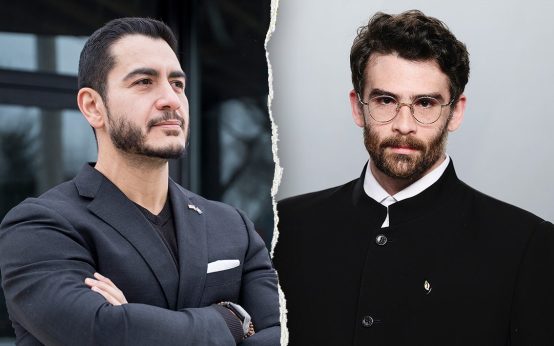 Flight 93 Hero’s Father Criticizes Ties Between Hasan Piker and Abdul El-Sayed
 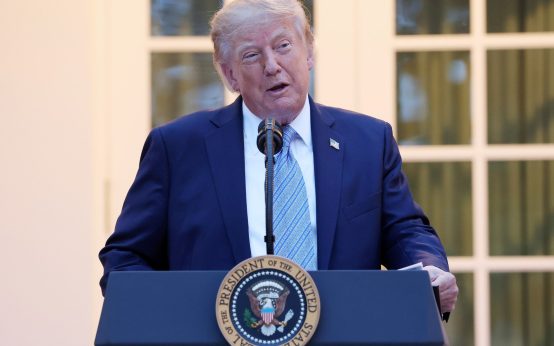 House Races Shift Amid Democratic Momentum
 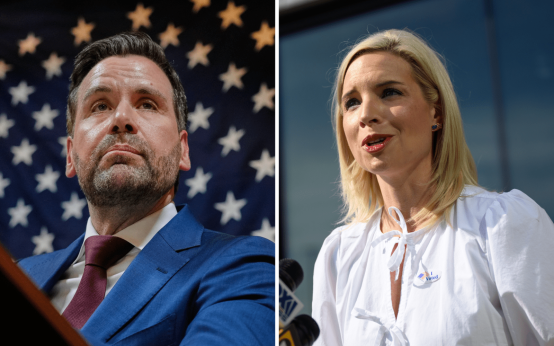 Iowa Senate Race: Marist Poll Shows Democrat Josh Turek Leading Republican Ashley Hinson
 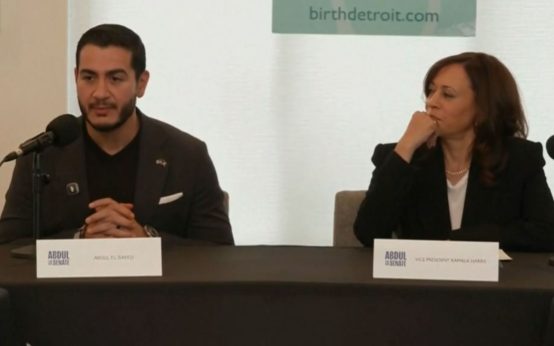 Kamala Harris and Abdul El-Sayed Campaign Together in Detroit
 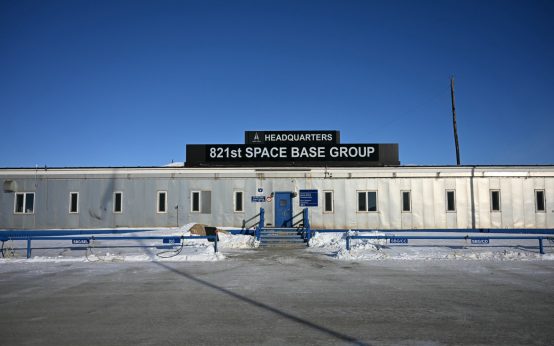 New U.S. Military Bases Planned in Greenland Amid Strategic Security Deal
  Challenges Facing the Supreme Court’s Public Perception