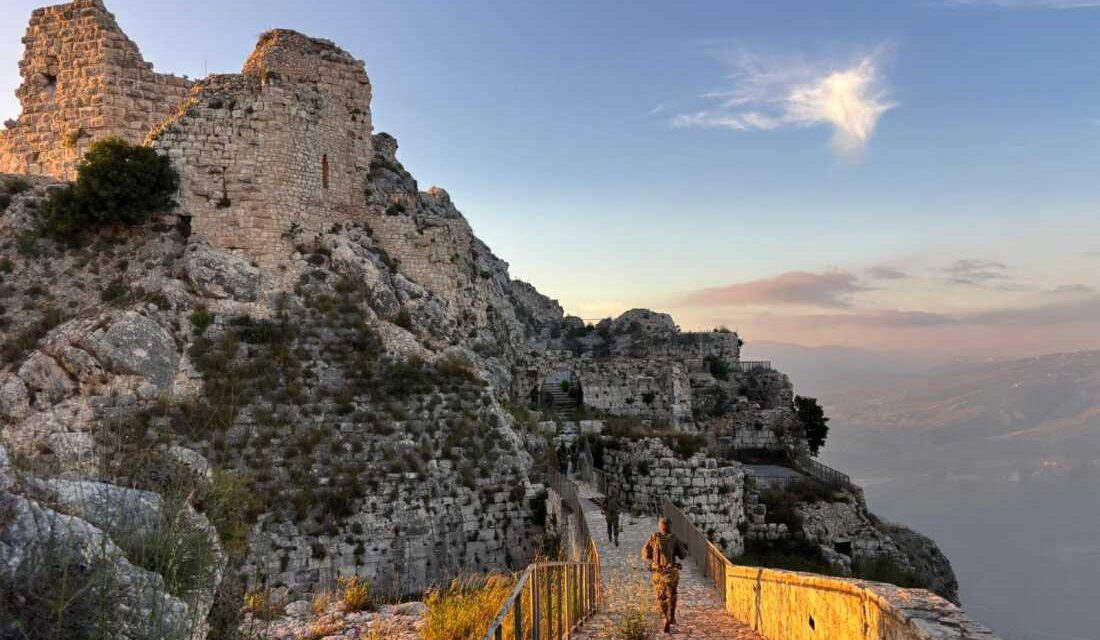
BEIRUT, LEBANON — Israeli forces have taken control of a historic castle in southern Lebanon, marking their deepest military advance into the region in 26 years. Beaufort Castle, a site dating back to the Crusader era, now displays the Israeli flag. The capture highlights a strategic push, providing a pivotal view over southern Lebanon and northern Israel.
Video footage showcased the flag atop the 900-year-old stronghold while smoke rose from nearby Arnoun. This expanded operation includes extensive damage in Lebanese villages, suggesting a sustained Israeli presence. This move mirrors Israel’s previous 18-year hold on the castle, ending in 2000.
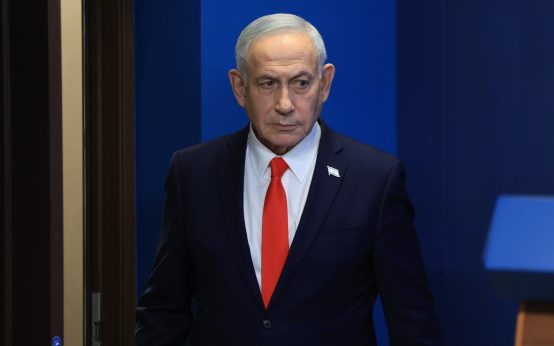
Recent days have seen intensified ground and air assaults by Israel, despite a U.S.-brokered ceasefire. Israeli Prime Minister Benjamin Netanyahu has vowed to dismantle Hezbollah, the Iran-backed militia, which drove the current tensions.
Escalating Conflict
Israel’s Defense Minister, Israel Katz, declared the castle’s capture as a secure zone in Lebanon. Conversely, Lebanon’s Prime Minister Nawaf Salam condemned the invasion, criticizing Israel’s destructive tactics. He urged for a ceasefire, warning of deepening divides among the Lebanese populace.
The offensive displaced over 1.2 million people, with Lebanon’s health ministry reporting more than 3,300 deaths, including women, children, and first responders. Israel reported casualties too, with two civilians and numerous soldiers lost, predominantly within Lebanese borders.
Historic Battle Ground
Constructed in the 12th century, Beaufort Castle remains a significant historical site. UNESCO recognizes it as one of the best-preserved medieval structures in the region. The site has seen numerous battles, including Israel’s 1982 battle to remove Yasser Arafat’s PLO. Subsequent conflicts saw shelling from Hezbollah and other factions.
Israel rationalized retaking the castle as necessary due to Hezbollah’s activities and to enhance their strategic position. Operations have extended into areas around Nabatiyeh, miles from the Israeli frontier.
“This is a clear message to our enemies: anyone threatening Israeli civilians will lose their strategic assets,” emphasized Defense Minister Katz.
Regional Repercussions
Last week, Lebanon’s culture minister noted an Israeli strike hit the castle directly. Israeli military maneuvers included extensive troop deployments and consistent air attacks. United Nations peacekeepers recorded over 3,300 Israeli bombardments compared to 187 retaliatory shots by Hezbollah and its allies during the same period.
Prime Minister Netanyahu reported significant advances, potentially reaching 20 miles into Lebanon. Amid mounting aggression, Iran vocalized support for Hezbollah, with ongoing peace attempts linking the conflicts in Iran and Lebanon.
Military discussions continued in Washington, though progress on ceasefire enforcement remains elusive. The Lebanese delegation, sans Hezbollah, engaged in talks alongside Israeli counterparts in an effort to ease hostilities.
 Israel Upgrades Submarine Fleet with Advanced German Vessel
  Federal Charges Against Accused Killer in Cook County Jail
  Irish Crime Leader Extradited to Face Charges
  Massie Criticizes Iran Conflict as Trump’s Major Blunder
  Netanyahu Rejects U.S. 15-Point Plan for Gaza
  Sailor’s Bold Arctic Adventure for Science and Exploration