June 17, 2026, 2:02 PM EDT – By Matt Bradley
TEL AVIV, Israel — The Israeli government wasn’t shown the memorandum of understanding (MOU) crafted to end the conflict with Iran, a government official informed NBC News on Wednesday. This indicates rising tensions between the United States and Israel. Shortly after President Donald Trump claimed he provided a copy to Israel, the same source contradicted this, saying Israel hadn’t seen the draft. The source did not clarify if Israeli diplomats had requested and were refused the text.
The absence of Israel in the negotiations preceding the MOU poses significant challenges for Prime Minister Benjamin Netanyahu, who faces pivotal elections by the end of October. A senior U.S. official later shared the deal framework with NBC News.
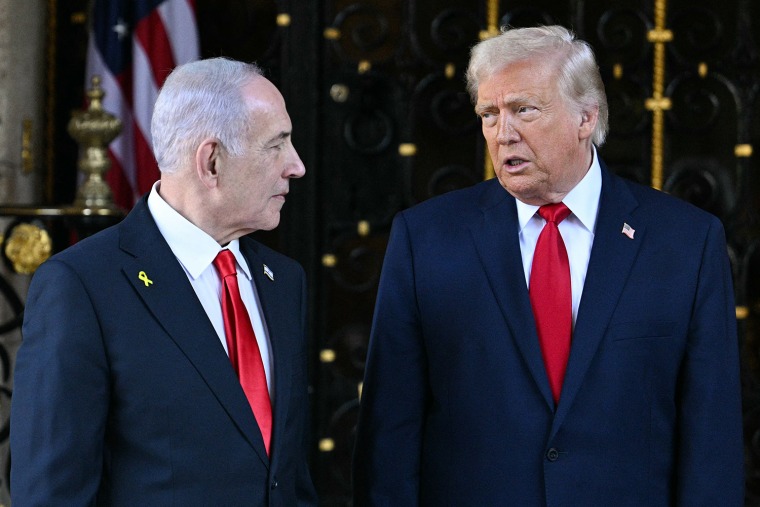
Trump’s criticism of Netanyahu has unsettled Israel. “Without me, there would be no Israel,” Trump remarked at the G7 summit on Tuesday. He criticized Netanyahu’s ongoing attacks against Iran-backed Hezbollah in Lebanon, where conflict has displaced over a million people and resulted in more than 3,500 deaths, which derailed talks with Iran.
During the G7 conference in France, Trump openly denounced what he viewed as arbitrary Israeli strikes on Lebanon. “Too many people have been killed,” he noted, challenging the strategy of destroying buildings in pursuit of Hezbollah, warning that many non-combatants reside there.
Netanyahu has yet to publicly respond to Trump’s comments. With a draft agreement between Iran and the United States expected on Friday, Netanyahu faces pressure from Israelis, having aligned with the U.S. in war against Iran in February. Israelis endured missile and drone attacks from Iran.
Critics argue Netanyahu’s government hasn’t adequately countered Iran and its ally Hezbollah, perceived as substantial threats. A poll by the Israeli Democracy Institute showed 57.5% of Israelis believe the proposed framework doesn’t align with their security interests.
Domestic adversaries have criticized Netanyahu. Former Prime Minister Ehud Barak stated, “Israel is paying for Netanyahu’s hubris and missteps, allowing Iran to strengthen while weakening Israel.” Yair Lapid, a contender in the upcoming elections, labeled the deal framework as a significant failure attributed to Netanyahu alone, expressing intent to amend the situation post-election.
Netanyahu defended the war’s necessity and acknowledged not reviewing the draft agreement, claiming credit for averting an existential threat to Israel. “We removed the threat of annihilation,” Netanyahu asserted, emphasizing the Iranian nuclear threat.
Responding to questions, Netanyahu downplayed claims of a strained relationship with Trump, stating they do not always agree. “I am responsible for Israel’s security,” he affirmed against criticism that he hasn’t opposed Trump vigorously enough.
It’s uncertain if Israel will participate in future negotiations, with the Iranians announcing talks in Geneva on the deal’s signing day. Iranian Foreign Minister Abbas Aragchi accused Israel of violating the MOU through continued Lebanon attacks and presence there.
Despite relative quiet on Israel’s northern border since the deal announcement, clashes persist between Israel and Hezbollah in southern Lebanon.
 Texas Senate Race Sees Intense Character Attacks
 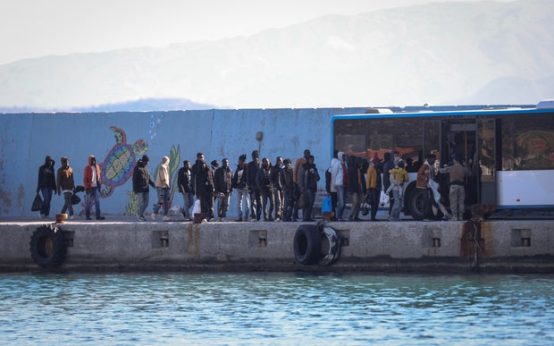 EU Plans to Establish Return Hubs for Rejected Asylum Seekers
  Cornell University Sexual Assault Case Investigation and Legal Actions
  Senate Leadership Fund Halts Spending in North Carolina
  Trump Team Challenges U.S. Military Structure
  British Police Arrest Dual Citizen Over Suspected Terrorist Plot