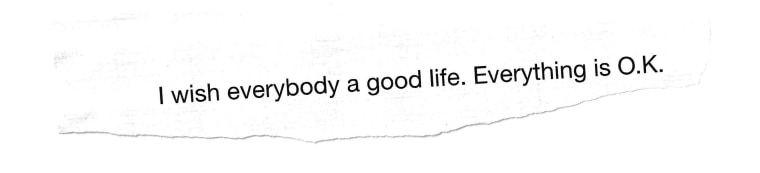
Since Texas adopted lethal injection for executing prisoners, they have adhered to a tradition: prisoners can make a final statement. Over five decades, hundreds of convicts have expressed varied emotions, from seeking forgiveness and proclaiming innocence to lamenting their sentences and saying a final farewell.
To reach death row in Texas, a jury must unanimously convict the individual of capital murder, usually involving aggravating factors like killing multiple victims or a law enforcement officer. The executed often include serial killers, bank robbers, and racists. Texas has executed 600 individuals, leading the nation in capital punishment post-1976 Supreme Court ruling, which found the death penalty constitutional.
NBC News analyzed these last statements from Texas prisoners, categorizing them based on themes. Over the decades, the sentiments have remained largely unchanged: sorrow, love, anger, hope, and guilt. Last words provide a glimpse into the humanity of those condemned.
I am so sorry. I ask that you please, please don’t hate me and that you can find it in your heart to forgive me for the part that I played in what happened to her,said Edward Busby Jr. before his execution.
Busby, convicted of suffocating retired professor Laura Lee Crane in 2004, pleaded for forgiveness, underscoring his remorse. A former student of Crane’s, Bryan Mark Rigg, viewed Busby’s words as an acknowledgment of wrongdoing, stressing the importance of accepting responsibility.
Texas’ modern era of executions began in 1982, employing lethal injection as the sole method. While many states allow final statements, Texas maintains an online archive of these words, excluding only those with offensive or unintelligible content. These transcripts are somber reminders of the human elements behind execution statistics.
As Scott Vollum, a University of Minnesota Duluth criminology professor, noted, even those who committed heinous acts can demonstrate transformation and humanity in their final moments. Common themes include remorse, expressions of love, and appeals for peace. Prisoners have often invoked religious elements, mentioning God 283 times and Lord 187 times.
There is no excuse for what I did,said Larry Hayes, executed for the murder of his wife and a convenience store clerk. He voiced his regret, hoping for forgiveness.
Some inmates use their final words to protest capital punishment, labeling it unnecessary or inhumane. Others have reflected on its morality without reaching conclusions. Claims of innocence are not uncommon, with some highlighting overlooked aspects of their cases.
Jim Willett, a former warden who oversaw numerous executions, recalled the unpredictability of last words but valued the tradition. It provides condemned prisoners a final opportunity to express humanity.
Amidst serious messages, some inmates sought levity. Humor, references to sports, and personal farewells mix with more somber reflections. Though deemed as a ritual, these last statements immortalize connections among death row inmates and those they leave behind.
Kristin Houlé Cuellar of the Texas Coalition to Abolish the Death Penalty supports documenting these final words, highlighting the profound impact of executions on numerous parties involved.