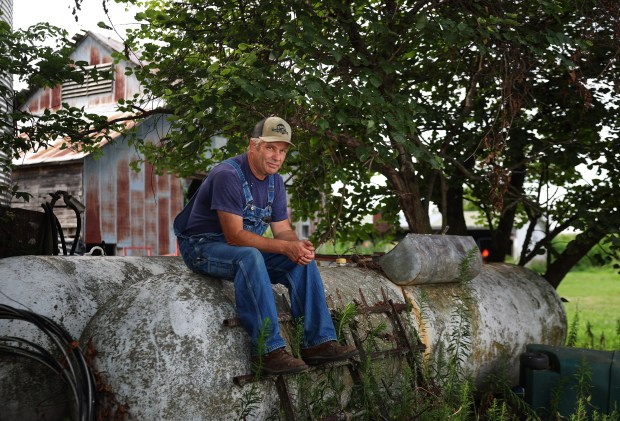
Reagan Hoskin, a committed rule follower, took on the task of monitoring crops in the summer of 2018 after high school. Her father’s instructions were precise: move diagonally through soybean fields, observe from strategic points, and note any irregularities. During this task, she detected a patch of yellow plants at their Pike County farm in western Illinois.
“The rest of the field looked perfectly fine,” Hoskin explained, “but now this patch needed closer inspection.”
Earlier, she learned to identify soybean diseases and suspected the presence of sudden death syndrome, a known ailment. However, something was unusual with the leaves. Hoskin noted a significant yellow patch crossing large leaf veins. Eight years later, knowledge of this fungus, later confirmed as “red crown rot,” is limited. Experts warn that in severe cases, this disease can cut soybean yields by up to 60%. Illinois, the top U.S. soybean producer, sees billions generated from this crop.
In 2024, as this fungus emerged across Illinois and other Midwest states, it began to receive more attention. According to Ron Hoskin, the disease was initially ignored due to its isolated presence in Pike County. Presently, red crown rot is found in over 10 counties across Illinois, Missouri, and Indiana, according to the Crop Protection Network map. Minnesota and Wisconsin reported their first cases in 2025.
After observing the fungus spread and damage their soybeans, Ron Hoskin sought expert advice. He contacted Matt Montgomery, a dedicated scientist. Montgomery focuses on field infections, often seen visiting farms with a cowboy hat and notepad. He conducted tests on Hoskin’s farm, now identified as “patient zero.” Montgomery reported dramatic impacts of red crown rot in affected areas, reducing once 70-80 bushel fields to under 20 bushels.
Understanding Red Crown Rot
This fungus, previously infecting southern soybeans and peanuts since the 1970s, seems to have moved north. However, recent genetic studies suggest the Midwest strain likely did not originate from the southeastern U.S. Experts are unsure how the disease spreads—potentially by air or soil contamination—but research is in early stages.
Since its 2018 discovery, the disease has spread through Midwest soybean fields, with significant expansion reported since 2025. Rising temperatures could encourage its growth, explained Damon Smith from the University of Wisconsin. Warmer, moist weather is conducive for such pathogens, and erratic rainfall patterns stress crops further.
Red crown rot symptoms often show in August. However, due to heavy rains, sightings in mid-July were common. The fungus remains in soil throughout the year, attacking roots of new plants, resulting in fewer harvestable soybeans. Recognizable symptoms include yellow leaves, brown discoloration, and red structures on the plant base. Affected fields can remain infected even when not actively planted.
Fighting Red Crown Rot
Ron Hoskin, whose family has farmed for generations, regretted seeing severe impacts on soybean yields, which forced him to consider shifting to corn. While alternating crop types benefits soil, consistent soybeans are unsustainable under fungus threat. Scientists are exploring options such as seed treatments, seeking resistant soybean varieties, and managing plant stress. These strategies may help reduce impacts, though no definitive solution exists yet.
Montgomery stresses awareness and correct identification to manage the disease effectively. Pike County farmer Calvin Koeller, faced with personal crop losses, plans to use Victrato seed treatment. This treatment, though initially developed for other disease types, shows promise in managing red crown rot.
In August, Ron Hoskin observed symptoms in the previously unaffected fields. This led to skepticism about Victrato’s effectiveness. However, few fields are currently affected, meaning the situation allows for continued soybean planting. With cautious optimism, Hoskin looks ahead—hoping for another strong harvest next season.
 The Growing Interest in National Parks and Emerging Challenges
  National Park Service Evaluates Land Swap with Developer for Yosemite Access
  Viral Nature Videos Captivate Audiences with Rare Wildlife Sightings
  Tropical Storm Dolly Offers Relief to Puerto Rico
  Fugate Discusses Climate Change Impact on Disaster Response
 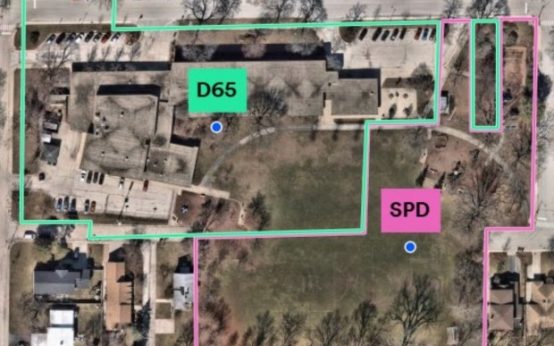 Potential Park Expansion at Former Dr. Bessie Rhodes School Site