
American journalist Austin Tice vanished in Syria in 2012. Recent reports from the BBC and NPR suggest his disappearance was a planned operation executed over several weeks. A member of the group that held Tice claims Syrian President Bashar al-Assad approved the kidnapping.
Tice was last seen outside of captivity in August 2012. Rebel fighters saw him enter a car with a trusted driver. Initially, many believed Tice was abducted at a government checkpoint by chance. However, new evidence presented in the podcast series “Where is Austin Tice?” from BBC Radio 4 and NPR’s Embedded, tells a different story.
Reporters Joshua Baker and Sara Obeidat conducted a multi-year investigation, speaking to members of the Assad regime and reviewing discussions involving a senior regime officer. They uncovered that Tice’s driver, who seemed trusted, was passing information to the regime.
According to Abu Ali, a former member of the National Defense Force (NDF), the driver informed Sakr Rustom, a senior NDF member, about Tice’s activities. Tice reported from rebel-held areas, with his work appearing on the Washington Post’s front page. The Assad regime worked actively to suppress reports of its human rights abuses.
“Bring him to us,” Assad allegedly said regarding Tice, according to Ali. The NDF head’s nephew, Rustom, passed the information up to Assad.
Before entering journalism, Tice studied at Georgetown Law and served as a captain in the U.S. Marines. His journey to Syria aimed to cover the war as a freelance reporter. Hope surged among Tice’s friends and family for his release when Assad’s government fell years later. An investigation offered insight into Tice’s disappearance and capture by the regime.
The BBC uncovered secret Syrian intelligence files after Assad’s fall, containing hundreds of pages of records revealing the regime once held Tice. Despite this, the details of his abduction remained unclear.
Interviews with Syrian officials and a fellow journalist suggest Tice’s Marine Corps background made the regime suspect him as a potential CIA operative. American officials deny this claim. On August 11, 2012, Tice celebrated his 31st birthday with rebel fighters, tweeting about his day, which included music and whiskey.
Abu Ali stated Tice’s driver later took him to a government facility near Damascus, where he was coerced into captivity. For a long time, the identity of the driver remained unknown. Further investigations led reporters to Homs and uncovered the driver, Hamid Abu Obeid, who has since disappeared.
The Abu Obeid family, Palestinian refugees living in poverty in Syria, confirmed Hamid’s involvement. According to them, he expected a passport, citizenship, a house, and a weapon in return for the abduction. The family, however, claims he only received a Glock pistol.
Following the abduction, Hamid vanished under murky circumstances. His wife recalls men, who appeared militarized, confiscating several possessions from their home. The family remains unsure about Hamid’s fate or location.
 Federal Appeals Court Decision Against Trump’s ‘Third-Country’ Deportation Policy
  Ed Sheeran’s Philadelphia Concert Amid Controversy
  U.S. Secures Strategic Control Over Greenland
  U.S. Security Agreement in Greenland Sparks Optimism and Concerns
 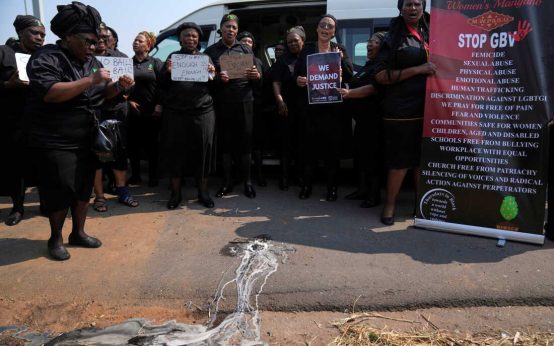 Impact of Gender-Based Violence in South Africa
  UNIFIL Operations in Southern Lebanon Amidst Ceasefire Challenges