
Between the 1910s and 1930s, second-generation Americans moved from crowded urban neighborhoods in Chicago to newly developed areas of the city. For these movers, bungalows emerged as the ideal housing solution. Following the Great Fire, Chicago’s building codes required structures to be built with brick. Since Chicago was a major hub for brick production, creating numerous affordable and durable bungalows became feasible.
According to The Chicago Bungalow, a publication by the Chicago Architecture Foundation, the housing boom of the 1920s significantly influenced construction practices across the United States. This era sparked a high demand for common houses equipped with modern amenities. Bungalows became Chicago’s hallmark middle-class homes: sturdy, compact, and designed to fit narrow lots. A significant number, over 80,000, remain in the city, accounting for a third of Chicago’s single-family homes. Many of these are located in a region spanning from the Northwest to the Southwest Side, often called the Bungalow Belt.
Though the bungalow’s popularity declined post-World War II—replaced by styles like ranch and split-level homes—Chicago’s collection of these robust structures has endured over the decades. Today, they continue to be favored by immigrants, children of immigrants, and young families looking for reliable housing options.
For further inquiries about the Chicago area, questions can be sent to [email protected].
 Fat Bear Week: A Unique Annual Tradition at Katmai National Park
 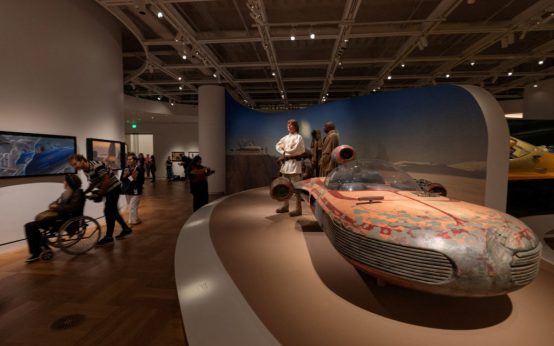 Lucas Museum of Narrative Art: A New Cultural Landmark
 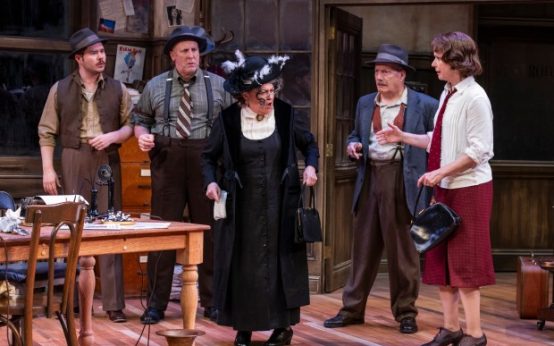 Northlight Theatre’s ‘The Front Page’: A Satirical Nod to Chicago’s Journalistic Past
  Monday Screencaps: Musings and Sports Insights
  Examining the Impact of the War on Poverty Initiatives
  The Value of Unsupervised Play in Child Development