
The prominence of artificial intelligence (AI) continues to grow, with significant implications for both workers and businesses. Recent developments highlight the demand for AI technologies like Meta’s Muse. As companies showcase their AI advancements, the American Job Quality Study sheds light on AI’s role in the workplace.
AI’s Impact on Job Efficiency and Quality
According to the study, 63% of U.S. employees using AI reported improved task completion speed. Additionally, 46% noticed enhanced work quality, and 47% could focus more on engaging tasks. However, speeding up work is not synonymous with improving job quality. The choice lies with employers to determine how AI benefits translate into more rewarding work opportunities.
Disparity in AI Usage
AI usage varies among employee groups. College graduates use AI more frequently compared to those without degrees. Managers also tend to use AI regularly. This disparity is evident, as 52% of consistent AI users have quality jobs compared to 32% who never use AI. However, AI usage alone does not create better jobs.
The differences reflect the inherent nature of various roles. Not all jobs provide direct access to digital tools, nor do they offer clear AI application opportunities. Therefore, an equitable approach should account for these disparities rather than enforce uniform adoption rates.
Output Growth and Organizational Strategy
Research indicates industries with higher AI usage since 2020 have experienced greater output growth. However, employment growth remains less clear. Organizational strategy and communication play crucial roles. Trust in leadership links to higher productivity gains among frequent AI users.
Integrating AI for Employee Empowerment
Many employees face increased responsibilities due to AI usage. While this can lead to career advancement, it may also result in extra work without additional benefits. Moreover, 52% of employees want more influence over technology adoption, underscoring the need for employer consultation.
Employers should provide paid learning time and clear guidance on tool usage and task changes. Training must target frontline workers too, not only tech-savvy volunteers. Employees should express concerns without fear of resistance labels. Effective AI integration necessitates human judgment, ensuring decisions align work improvements with technology.
Christos A. Makridis, an associate research professor at Arizona State University and senior researcher at Gallup, emphasizes that while AI offers time savings, optimizing these gains requires careful workplace decisions. Employers must ensure AI’s role as a human-driven enhancement rather than leaving the process solely to technology.
 Michigan Senate Candidate Proposes AI Development Freeze
 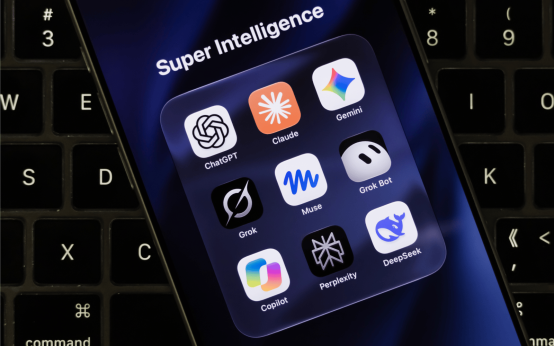 Debate Over ‘Super Intelligence’ Terminology in Tech and Politics
  Elon Musk Increases Political Contributions Ahead of Midterms
  DIRECTV’s Flexible Streaming Options
  French Supermarkets Hit by Cyberattack Affecting Refrigeration Systems
 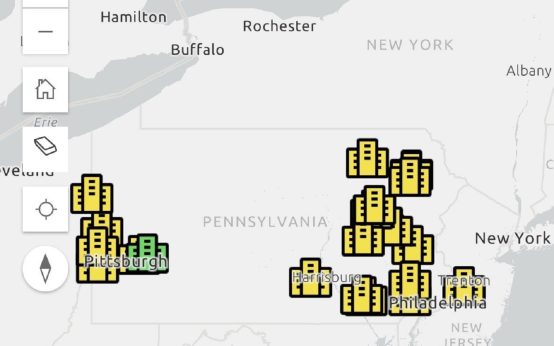 Pennsylvania’s New Tracker Highlights Data Center Development Amid AI Debate