
Recent Wildfire Smoke Crisis
The Midwest and Northeast regions of the United States recently experienced severe air-quality deterioration due to wildfire smoke. Cities such as Minneapolis and New York were enveloped in a dense, smoky haze, impacting millions. The air-quality situation was so critical that over 100 million Americans faced alerts, with smoke traveling as far as Washington, D.C.
Current Measures and Their Shortcomings
Both Canada and the U.S. lack adequate efforts in fuels treatment, a critical prevention strategy against wildfires. Fuels treatment involves the removal or management of potential fire materials like dry vegetation and underbrush. This method significantly reduces the intensity and spread of wildfires.
Potential Strategies for Improvement
Increasing investments in fuels treatment can mitigate wildfire risks and improve air quality. Allocating resources to manage forest health proactively will likely decrease the frequency and severity of wildfires.
Conclusion
While natural factors contribute to wildfires, human intervention through improved fuels treatment can minimize their impact. Both Canada and the U.S. should prioritize these efforts to protect public health and environmental well-being.
 Black Lung Disease: An Ongoing Crisis Among Coal Miners
  Texas Businesses Warn Against Border Barriers at Big Bend
  Danube’s Low Water Levels Reveal WWII Shipwrecks
  DiCaprio and Bezos Commit $200 Million to Endangered Species Recovery
  How Our Daily Choices Impact Climate Change
 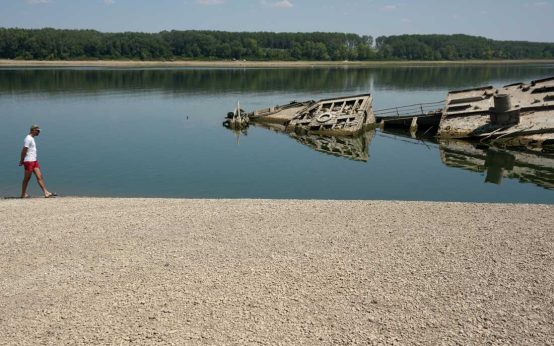 Climate Challenges and Historical Finds Emerge as Europe’s Heat Wave Persists