
Democracy Dies in Darkness. This statement highlights the threat to democratic values when communal spaces diminish. One such concept is the idea of ‘third places.’
Third places are settings outside of home and work where people gather for social interaction. Their decline is a worrying trend impacting community life.
Key Role of Third Places
Third places have historically facilitated community engagement. They foster dialogue among diverse individuals and uphold democratic principles. These places include cafes, libraries, and parks, serving as platforms for conversation and connection.
Loss of such spaces can lead to social isolation and weakening of community bonds.
In 2011, Richard Kyte, an ethics professor at Viterbo University, recognized the consequences of such isolation firsthand. He observed that two colleagues were becoming increasingly detached from others. To address this, he initiated weekly breakfast meetings every Wednesday at a nearby café. This venue offered a chance for connection and rejuvenation.
The Ripple Effects
Kyte’s initiative in La Crosse, Wisconsin, serves as a reminder of third places’ power in nurturing relationships. It demonstrates how regular gatherings can restore communal connections and counter loneliness.
Such spaces contribute to emotional well-being and reinforce democratic ideals by allowing individuals to share in respectful discourse and exchange perspectives. The loss of third places can stymie these essential interactions.
Efforts to support and create third places are crucial for societal health and the preservation of democracy. Community leaders should consider investment in public spaces as fundamental to social stability.
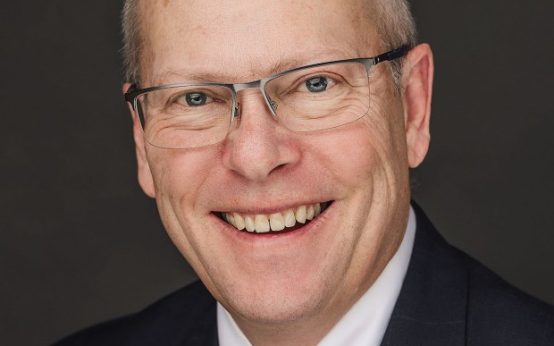 Munster Town Council Faces Leadership Changes
 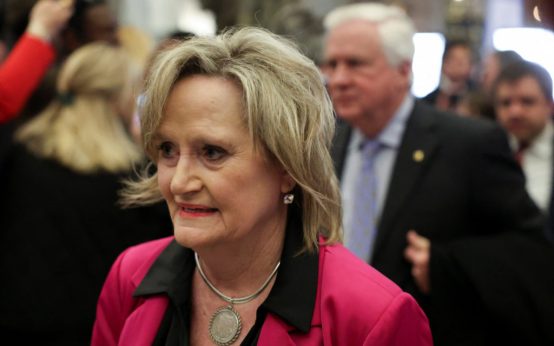 Democrats Make Strategic Move in Mississippi’s Senate Race
  Trump Commits Over $400 Million to Midterm Efforts
 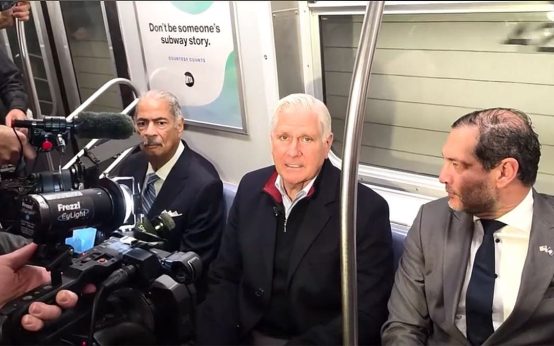 Blakeman Criticizes Hochul’s Impact on Subway Safety
 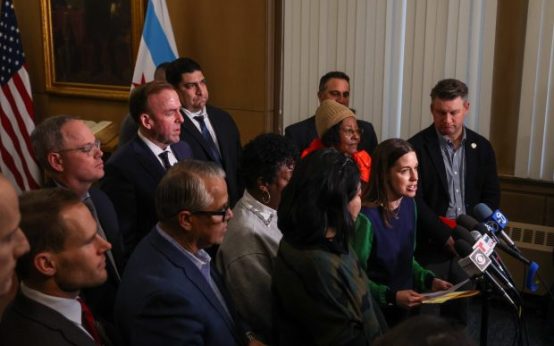 Mayor Brandon Johnson’s New Budget Proposal Targets Corporations
 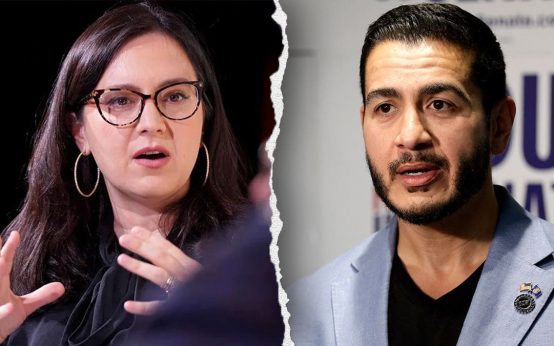 Bari Weiss Faces Criticism Over Investigation of Abdul El-Sayed’s Alleged Muslim Brotherhood Ties