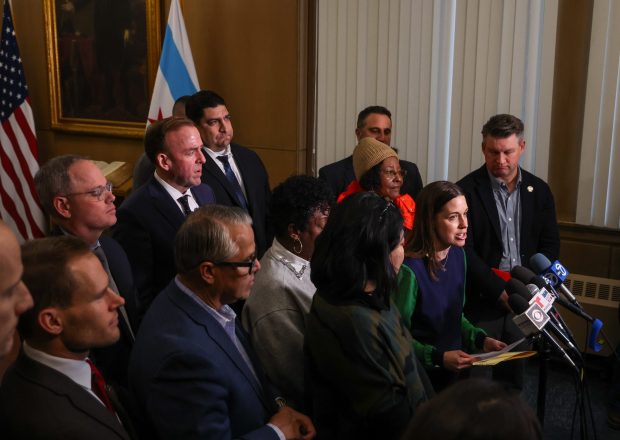
Mayor Brandon Johnson plans to reintroduce a proposal that would impose a head tax on large corporations in Chicago. Scheduled for Wednesday, this budget proposal includes an exemption for less wealthy parts of the city. Johnson also intends for the city to borrow $480 million for police-related lawsuit settlements. Additionally, the personal property lease transaction tax could increase from 15% to 20%, primarily affecting large businesses and bringing in an estimated $234 million.
These steps aim to balance the city’s budget without levying new taxes directly on Chicago residents. By making corporations bear more financial responsibility, Johnson seeks to avoid property tax hikes and layoffs as the mayoral election approaches in February. At a recent news conference, Johnson expressed the public’s desire for wealthier individuals and corporations to contribute more fairly.
According to four aldermen, Johnson’s proposal does not include broad layoffs or property tax increases. Further details are expected on Wednesday, though Johnson’s administration has not commented further. The proposal suggests a $25 monthly charge per employee for companies with over 125 full-time workers, excluding those in designated socioeconomically disadvantaged areas like the South, Southwest, and West sides. By offering a rebate, the goal is to encourage businesses to establish themselves in these areas. Sources indicate this could generate around $102 million, affecting approximately 3% of Chicago businesses.
Johnson’s renewed effort comes after a previous failed attempt. Last year, his head tax proposition and complete budget were rejected by aldermen, which weakened his political standing. Despite this, Johnson continues to push for taxing the wealthiest corporations, particularly as his reelection campaign relies on such progressive initiatives. His new proposal includes a hike on personal property leasing taxes, targeting large tech companies dependent on cloud computing.
The city plans to scrutinize Johnson’s proposal to borrow $480 million for police-related settlements. This includes a substantial recent settlement approval. Johnson had not planned on borrowing, considering this cost in his budget gap estimate. Similar borrowing last year led to concern among some city officials and subsequent credit downgrades for Chicago.
Though residents might face new fees and taxes, such as increased taxes on sportsbook betting and liquor, Johnson aims for most budget-balancing revenues to come from large businesses. He has criticized federal tax cuts for corporations, arguing they give companies the means to contribute more.
Reflecting on former Mayor Harold Washington’s 1986 spending plan, Johnson has named this proposal the “Fair Share budget.” Though comparisons have been made between the two mayors, opinions differ on this view. Chicago faces an $882.4 million budget gap for 2027 due to pension obligations and settlement costs. Council members have discussed the high estimate of $401 million for the latter.
As Johnson’s budget team seeks council approval, they must secure 26 votes or 25 with a tiebreaker. The city’s pension costs will rise to $2.94 billion in 2027, continuing efforts to prevent retiree funds from becoming insolvent. Debt service payments will increase from $2.16 billion to nearly $2.5 billion, presenting ongoing budget challenges.
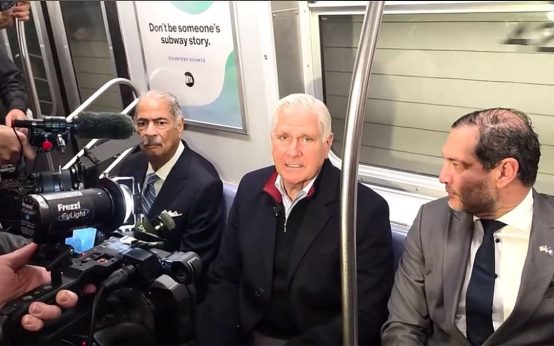 Blakeman Criticizes Hochul’s Impact on Subway Safety
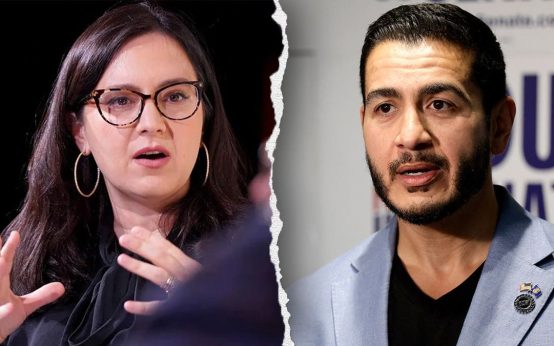 Bari Weiss Faces Criticism Over Investigation of Abdul El-Sayed’s Alleged Muslim Brotherhood Ties
 Trump Administration Tightens H-1B Visa Regulations
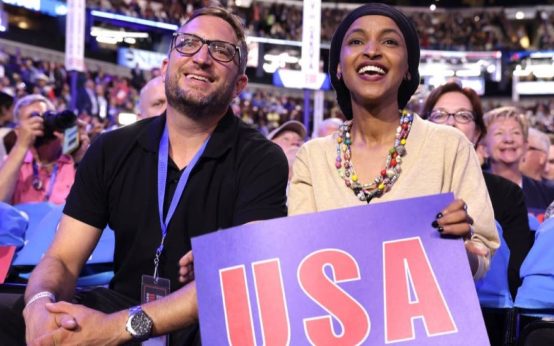 Congressional Scrutiny Over Rep. Ilhan Omar’s Finances and Winery Closure Amid Fraud Allegations
 Challenges and Solutions in the Struggle for Voting Rights
 WNBA Firm on Eligibility Amid Freedom’s Challenge