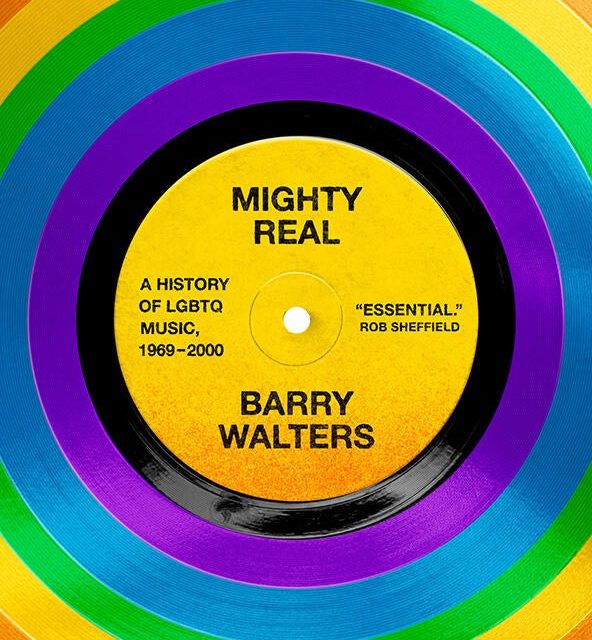
Rolling Stone writer Barry Walters has released a new book titled Mighty Real, which explores the history of LGBTQ music. Walters highlights the impact of language in music, especially for the LGBTQ community.
When listening to love songs by straight men, many in the gay community mentally switch pronouns to relate to the lyrics. This adaptation occurs because most mainstream hits do not cater to the LGBTQ audience, even those created by LGBTQ artists. Often, queer musical content is marginalized. However, artists like Sam Smith, who is mainstream and globally recognized, manage to break that barrier.
Unlike previous chart-toppers, Smith’s 2022 hit Unholy, his new single My Guy takes a different approach. It uses a masculine noun, signaling a same-sex relationship in a clear manner. For an artist of Smith’s standing, this simplicity is noteworthy and rare in pop music.
Historically, influential artists like Little Richard and David Bowie pushed boundaries through music. They challenged norms with complex expressions of gender and identity. These artists often had little to lose, akin to the rebels at the Stonewall Inn who stood against hostile police harassment.
Today, Sam Smith contributes to this legacy with My Guy. The song uses a repeated noun to make a significant statement about same-sex love. Smith revolutionizes the music scene with this gentle, yet impactful ballad.
For more information on the history of LGBTQ music, readers can explore Barry Walters’ book Mighty Real: A History of LGBTQ Music, 1969-2000, available in various formats. More details about Walters’ work can be found at barrywalterswriter.com and samsmithworld.com.
The book provides insights into the evolution of music within the community and is available on Amazon, Barnes & Noble, and Bookshop.org.
 Stallone Surprised by Appointment as Hollywood Ambassador by Trump
 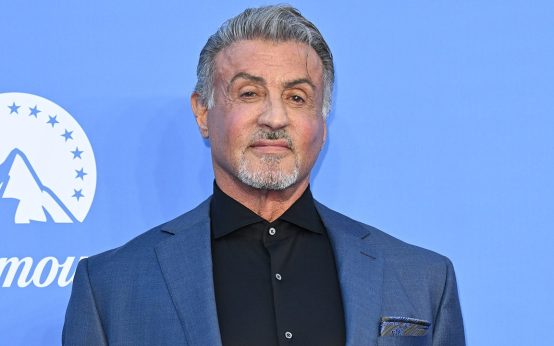 Sylvester Stallone: A Multifaceted Hollywood Icon
  Fat Bear Week 2026: A Look at the Contest and Its Competitors
  Riot Fest’s Muddy Weekend and Commitment to Park Restoration
 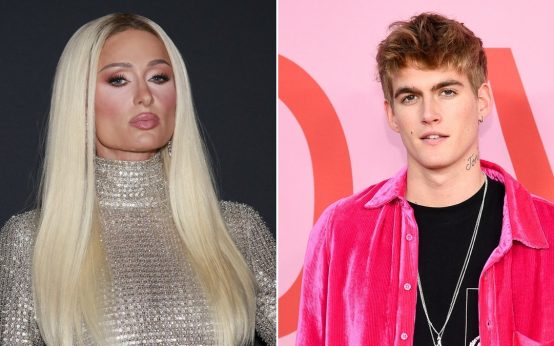 Presley Gerber: A Look Back at His Life and Legacy
  Rhiannon Giddens on Music, Heritage, and Hope