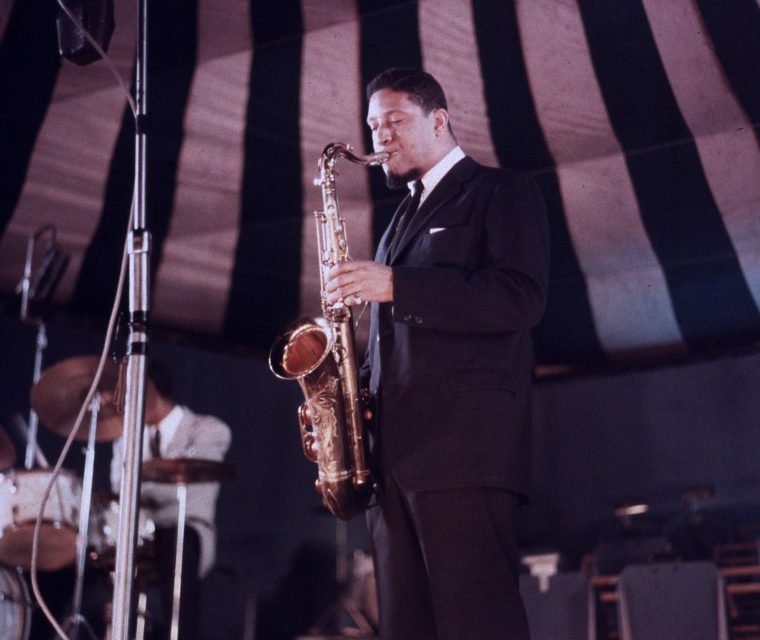
Sonny Rollins, the tenor saxophonist whose remarkable tone and continuous innovation defined his over 50-year career in jazz, passed away at age 95. According to Terri Hinte, Rollins died at his home in Woodstock, New York. While the cause of death wasn’t specific, Rollins had been largely homebound due to various health issues.
From his beginnings as a teenage prodigy to his ventures into free jazz, Rollins was celebrated for his improvisational prowess. As one of the final greats of the bebop era, alongside figures like John Coltrane and Charlie Parker, Rollins’ influence was profound.
Rock enthusiasts witnessed his capability in the Rolling Stones’ 1981 album “Tattoo You.” The album features Rollins’ touching sax solo on “Waiting on a Friend,” devised by observing Mick Jagger dance.
Despite his lasting success, Rollins often sought new creative horizons, opting for breaks and adopting diverse styles. He considered himself a constantly evolving artist, emphasizing his desire to keep learning.’
His early work in bebop was favored by fans, yet Rollins struggled with the flaws he perceived in older recordings, expressing discomfort in revisiting them. He once stated, “I don’t consider myself a musician that has learned as much as I want to learn.”
Enduring Achievements
During the 1990s and 2000s, Rollins released numerous acclaimed albums, maintaining a strict practice routine and continuing to tour into his 80s. Pulmonary fibrosis eventually forced him to retire. His final concert took place in 2012, and he ceased performing in 2014.
While he missed the audience’s adoration, he felt greater longing for performing music itself. Rollins recalled a unique moment during an outdoor concert when he sensed a connection beyond the crowd, describing it as part of something larger.
In 2001, Rollins earned a Grammy award for his album “This is What I Do.” His achievements continued in 2006 with another Grammy for “Why Was I Born?” This was part of “Without a Song: The 9/11 Concert,” captured live days after the September 11 attacks in Boston. The concert proceeded on the urging of Lucille, his wife and manager, who had passed away in 2004.
Rollins is survived by his nephew, Clifton Anderson, and nieces Vallyn Anderson and Gabrielle DeGroat.
Meeting the Greats
Rollins received his first significant opportunity during his late teens when joining Thelonious Monk’s band. His interactions with Miles Davis and Bud Powell facilitated entry into recording even before completing high school.
However, many jazz musicians faced struggles in the late 1940s and early 1950s, Rollins included, encountering heroin addiction at age 19. His escalating dependency led to imprisonments, and soon, he found himself on the streets of Chicago.
In 1954, Rollins admitted himself to a hospital in Lexington, Kentucky, for drug treatment. This period marked significant personal growth, leading to a reevaluation of life philosophies.
“I began to have a deeper philosophy of what life was about.” — Sonny Rollins
Upon discharge, Rollins joined the Max Roach-Clifford Brown quintet, continuing his musical journey. He released the solo album “Saxophone Colossus” in 1956, which showcased his hard bop style and solidified his prominence.
During the ensuing years, Rollins explored pianoless trios, creating influential albums like “Way Out West,” “A Night at the Village Vanguard,” and “Freedom Suite.” Despite reaching the height of popularity, Rollins withdrew from the public for two years, practicing in isolation above the East River.
“The thing that I am most proud of in my career is that fact that I was able to see beyond being popular and all that stuff, and do what my inner self told me to do.” — Sonny Rollins
During his hiatus, jazz transitioned from bebop to the chaotic nature of free jazz. When Rollins returned in 1961, he embraced these changes, leading to mixed reactions among fans.
In the mid-1960s, Rollins toured extensively in Europe, alternating between traditional and experimental approaches. He contributed original compositions to the soundtrack of “Alfie,” a 1966 British film.
A trip to Japan introduced Rollins to Zen Buddhism, prompting another break extending into the early 1970s.
A Living Legend
When Rollins resumed recording in 1972, his legend status was well-established; recognition and acceptance followed. He received a Guggenheim fellowship and was inducted into the Downbeat Hall of Fame. His growing popularity led to appearances on “The Tonight Show” and performances in concert halls.
Theodore Walter Rollins was born on September 7, 1930, in Harlem, amid a musical household. His father, a naval petty officer, played the clarinet, his sister played piano, and his older brother played the violin.
At eight, Rollins’ parents urged piano study, though he preferred playing baseball. However, by age 11, his fascination with the saxophone led to his parents buying one for him.
Despite challenges affording lessons, Rollins largely taught himself, switching to tenor sax and performing in nightclubs. He leaves behind numerous unreleased recordings, expressing no concern for their posthumous handling.
 The Rise of Everyday Spaces as Popular Music Venues
  Movies Attempt to Revive Cinema Experience
 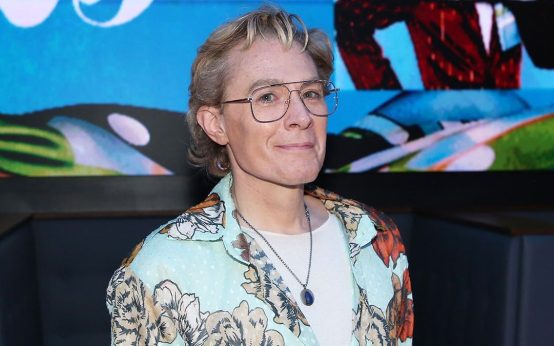 Clay Aiken Reflects On Being Outed in 2006
 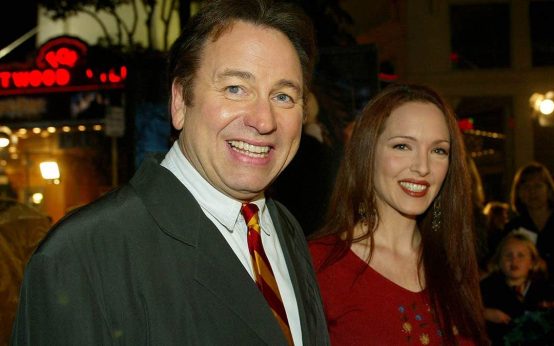 John Ritter’s Legacy: Raising Awareness for Aortic Dissection
 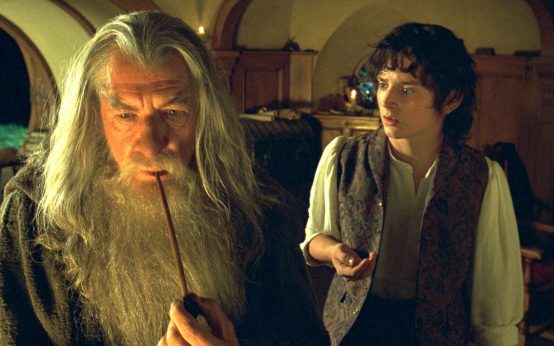 David Henrie Criticizes Modern Kids’ Programming
  Ashley Dupré Reflects on Past Choices and Family Impact