In the early hours of December 7, 1941, Freeman Johnson was deep below deck on the USS St. Louis, working in one of the ship’s boiler rooms. Far removed from the chaos, he did not witness the Japanese attack on Pearl Harbor firsthand. The sounds of antiaircraft guns firing at enemy planes went unheard. It was not until he reached the deck that he learned of the ship’s escape from danger.
Inside the USS St. Louis
Johnson was assigned to the role of fireman on the ship. He was responsible for the boilers. While chaos unfolded above, he was enclosed within a steam drum, unaware of the aerial assault. Speaking from his home in Centerville, Massachusetts, Johnson shared, “While all the rigamarole was going on topside, I was inside a steam drum. Couldn’t see anything, absolutely nothing.”
“I was just a sailor, just a swabbie, I was not an officer. They don’t tell you anything if you don’t need to know. And I didn’t need know it. So they tell you nothing.”
As the St. Louis navigated out to sea, Johnson remained oblivious to the scale of the attack. His perspective was notably limited by his duties and position.
Embracing Recognition
Over the years, Johnson has emerged as a local celebrity. As the country’s oldest living survivor of the attack, he is often invited to Pearl Harbor remembrance events. Despite becoming a recognized figure, Johnson spent much of his life avoiding the spotlight, absent from public recognition until recent years.
His late wife Ruth once called the Navy, remarking on his uniqueness. However, as Johnson recalls, the response lacked acknowledgment:
“The girl laughed at her.”
Today, Johnson receives correspondences from around the globe, celebrates his birthday with fanfare, and is hailed as a hero.
Serving During World War II
Johnson’s military career extended beyond Pearl Harbor. As part of the crew on the USS Iowa, he witnessed pivotal moments in history. The Iowa was selected to transport President Franklin D. Roosevelt to the Tehran Conference in 1943. Johnson helped prepare the ship for this crucial diplomatic journey. The Iowa was stripped of ammunition and oil temporarily to ensure safe passage.
Later, Johnson witnessed the war’s end aboard the Iowa in Tokyo Bay. From his vantage point on the ship’s mast, he observed Japanese representatives arriving on the USS Missouri to formally surrender:
“It was all over. That was the end of the war. A bunch of us got together — the war is over. Let’s go home.”
Personal Life and Legacy
Presently, Johnson lives with his daughter, Diane Johnson. She’s a vital part of his life, encouraging him to share his wartime experiences, particularly with younger generations. Diane often accompanies him on trips for commemorations and organizes public appearances that connect him with history enthusiasts.
Despite the attention linked to Pearl Harbor, Johnson holds his personal life achievements close. His marriage and family, as well as his work post-war, are profound memories that eclipse even his wartime experiences. He fondly recalls his time working in the machinist shop, convenience store, and delivering meals to seniors.
“Pearl Harbor just happened. I can’t put it any other way.”
The legacy of Johnson embodies steadfast dedication, both in military service and community life.
 Rose Friedman: A Dedicated NPR Journalist Remembered
  Notable Lost Stories and Objects
  Protesters Rally at Lucas Museum Opening for Worker Protections
 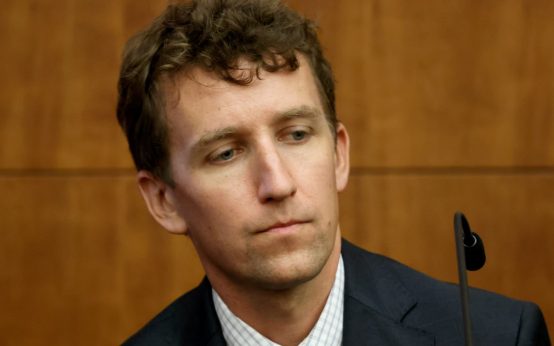 Grieving Father Patrick Clancy Sheds Light on Family Tragedy
  The Role of Family in Personal Recovery
 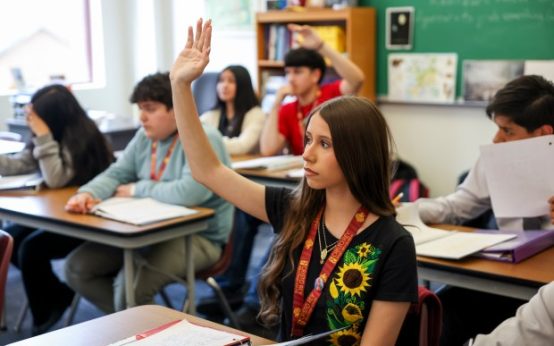 The Unique Education Model of Cristo Rey Jesuit High School