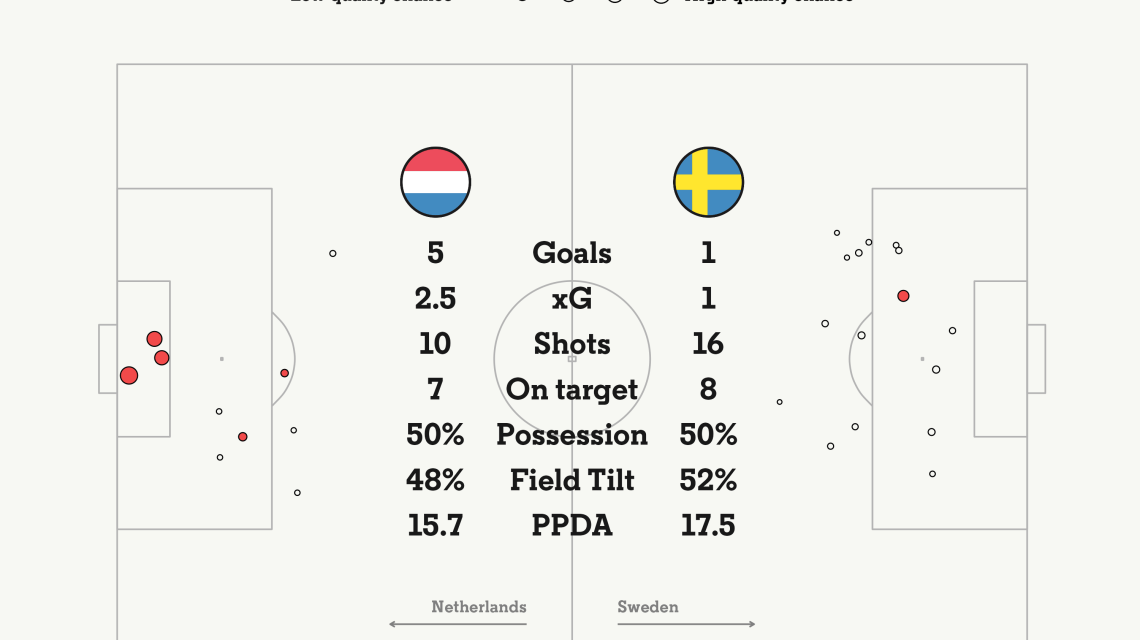
The Netherlands demonstrated their dominance over Sweden in Houston, securing a convincing 5-1 victory, propelled by Cody Gakpo and Sunderland’s Bryan Brobbey. Both players scored twice before Crysencio Summerville added a late goal, further solidifying the team’s impressive World Cup performance. Despite Sweden’s initial 5-1 win against Tunisia, they faced a similar fate at the NRG Stadium. Anthony Elanga managed a goal for Sweden in the second half, but they struggled against the Netherlands’ formidable forward line.
Potential for World Cup Success
The Netherlands faced scrutiny after failing to win their opening match. Japan posed challenges, raising doubts about Ronald Koeman’s squad abilities. However, if they maintain their recent performance level, they can become serious contenders. Key to their strategy is Brobbey, who Koeman has positioned as a central figure for offensive cohesion. Brobbey’s ability to support players in various positions was evident through their aggressive and versatile attack. Players exploited midfield opportunities and utilized wide spaces effectively.
Koeman’s Tactical Adjustment
Koeman made a noteworthy tactical decision by repositioning Donyell Malen from central attack to the right. Malen, a top performer in Serie A with 14 goals in 18 games, adjusted his role for this match. Brobbey, repositioned as central striker, excelled by scoring twice early in the game from crosses by Gakpo and Denzel Dumfries. Brobbey’s physical dominance was evident, overpowering Sweden’s Isak Hien.
“Koeman has figured out how to maximize Brobbey’s impact,” Andy Jones commented.
Consistent Goal Scoring Strategy
The Netherlands widely utilized an attacking approach involving low crosses across the six-yard box. This methodology resulted in three goals, demonstrating effectiveness through Gakpo, Dumfries, and Summerville’s positioning. Gakpo’s initial assist exemplified conventional wing play, opting not for his trademark inward dribbling. Quick and strategic wide play seems to be promising for further goals.
Brian Brobbey: Key Player Analysis
Brobbey became central to Koeman’s offensive strategy, showing remarkable performance through two goals. Despite his shorter stature compared to typical top-team strikers, Brobbey’s solid frame represents a formidable challenge for taller defenders. His dynamic runs and interactions facilitated scoring opportunities. Brobbey’s journey to prominence included overcoming challenges, reaffirming his capability and resilience.
Sweden’s Missed Opportunities
Swedish football traditionally exhibits defensive robustness and reliance on set pieces and star strikers like Gyokeres and Isak. However, against the Netherlands, defensive weaknesses were exposed, particularly against Brobbey’s strength and agile box movements. Despite conceding early goals, Sweden demonstrated moments of prowess through tactical changes and individual performances like Ayari and Elanga.
Strategic Breakdown: Netherlands’ First Goal
Brobbey opened the scoring early, dispelling any post-Japan game doubts. The Netherlands executed a swift and coordinated build-up play. Brobbey’s involvement, Verbruggen’s pass to Reijnders, and Gakpo’s decisive cross facilitated the goal. The sequence also set the tone for two additional similar goals, emphasizing effective offensive strategy and player selection.
 Arch Manning’s Declining Draft Prospects Amid Texas Longhorns’ Success
  U.S. Officials Warn Against Travel to Djerba Amid Terror Threats
  Russia’s Drone Campaign Raises Tensions Across Europe
  Former German Spy Chief Arrested for Espionage and Attempted Treason
  San Diego Padres Reliever Mason Miller Misses Key Game for Family
  Team USA’s Inspiring Unity and Victory at the 2026 World Cup