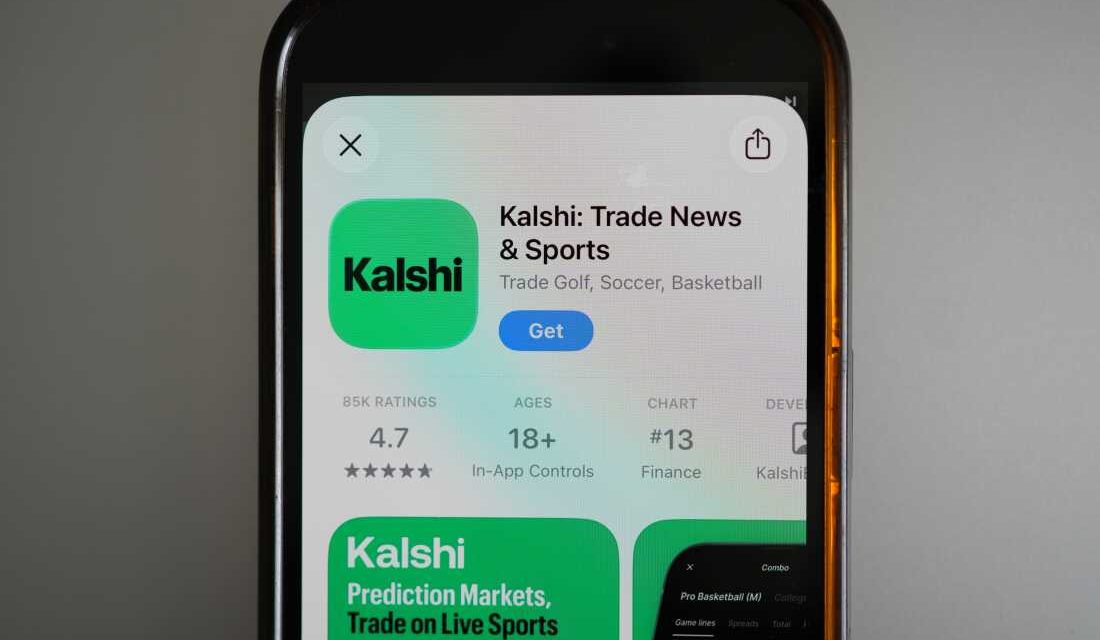
The prediction market app Kalshi has emerged as a significant player during the World Cup, setting new trading records with over $25 billion in sports wagers. This figure dwarfs the $4 billion analysts expect from online sportsbooks like DraftKings and FanDuel across all 104 matches.
Kalshi and the Sports Betting Debate
Critics claim Kalshi’s operations resemble those of a sports gambling app, despite its insistence on being a federally regulated financial product. Users wager against each other rather than the house, with Kalshi profiting from transaction fees instead of bettors’ losses. This dynamic has raised questions about Kalshi’s claim of being distinct from traditional sportsbooks.
Legal and Tax Implications
Kalshi’s business approach, allowing users over 18 and circumventing state taxes, has sparked legal challenges. States like Minnesota have banned prediction markets, and lawsuits are pending in states such as Massachusetts and Michigan. Industry skeptics argue that prediction markets, like Kalshi, bypass state gambling taxes, impacting revenue designated for public services.
Kalshi is a sportsbook with a small prediction market business attached to it,stated David Forman of the American Gaming Association.
In response, Kalshi points to its compliance with federal regulations and efforts to work with states like North Carolina, which have created specific tax laws for prediction markets.
The Industry’s Future and Legal Battles
Prediction markets have rapidly grown, with platforms like Kalshi and Polymarket gaining traction in states where sports betting isn’t allowed. Although they haven’t significantly reduced sportsbook profits, concerns loom over these platforms being labeled as underregulated sportsbooks.
The involvement of prominent figures like Donald Trump Jr., along with potential legal challenges reaching the Supreme Court, could shape the future of prediction markets. The debate over whether these markets should be regulated like traditional sportsbooks remains ongoing, with significant financial and regulatory stakes involved.
 Ronald Acuna Jr. Suffers Injury During Game Against Cincinnati Reds
  Joe Burrow’s Unexpected Post-Game Recovery
  Rangers Place Players on Waivers Ahead of Season Opener
 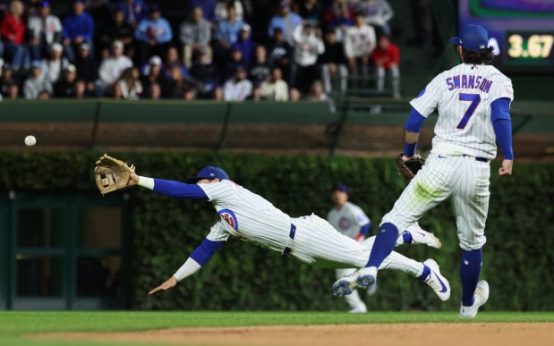 Cubs Face Crucial Pitching Decisions Amid Wild Card Race
 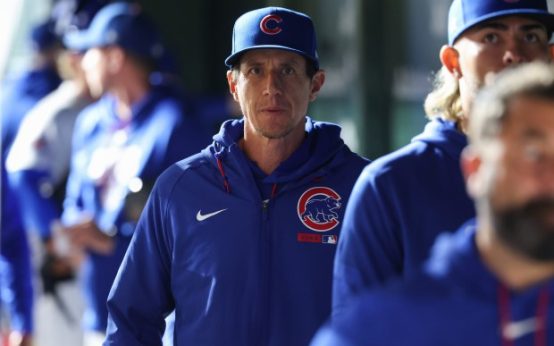 Chicago Cubs vs. Miami Marlins: 12-Inning Game Recap
 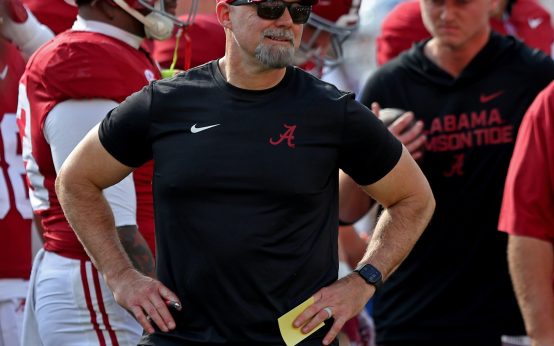 Alabama Football’s Comeback and Controversy