
News outlets, social media, educational institutions, and various activist groups are collaborating to form a powerful climate-industrial complex. They assert that civilization faces a critical climate crisis requiring an urgent shift from fossil fuels to ‘clean’ energy sources. Their objective extends beyond environmental concerns, aiming for greater financial gain and control over personal freedoms.
The Trump administration, along with Republican Congress, has curtailed subsidies for wind and solar energy initiatives. Despite these efforts, proponents of the climate-industrial complex continue their pursuit with substantial financial interests at stake. They have initiated a covert operation threatening the democratic system, leveraging political influence through the Invest in Tomorrow Coalition.
This coalition played a key role in Rep. Chip Roy’s (R-Texas) defeat in his attempt to become Texas attorney general. Roy had advocated against renewable energy tax incentives. Without these incentives, the wind and solar sectors face potential collapse. Ahead of the 2026 midterms, coalition supporters have committed at least $15 million, signaling to officials that opposing the industry could lead to substantial electoral challenges.
The House Freedom Caucus, including Roy, pushed for sunset clauses on wind and solar tax credits in the Big Beautiful Bill Act of 2025. This stance was influenced by comments from Aligned Climate Capital CEO Peter Davidson. The coalition plans to retaliate against opponents, rewarding supporters by lobbying for relaxed environmental standards on large-scale renewable installations.
Prominent ads and billboards convey a clear warning: ‘Don’t Mess with Solar,’ with intentions to financially influence Republican primaries. Billionaire Chris Larsen stands as the largest donor, alongside various renewable energy ventures and associations. Larsen also supports the $60-million Clean Break Fund, targeting Roy through manipulative campaigns.
During an ‘elite climate gathering,’ Larsen and former Sierra Club Executive Director Michael Brune discussed their strategy of influential spending and misleading ads targeting Republican voters. Their tactics aim to undermine conservative representatives who resist extensive climate financing. The operation uses rebranding strategies to present climate agendas as aligned with conservative and free-market principles.
As these organizations await Trump’s departure, they strategize a resurgence, expecting the climate-industrial complex to regain influence and subsidies. Firms neutral or supportive of coal, gas, or nuclear options face warnings to comply or risk being targeted.
Capital Research Center highlighted the financial prowess of these lobbying and advocacy groups. Backed by prominent foundations such as Hewlett, Packard, Rockefeller, Bloomberg Philanthropies, and others, these groups qualify as financially robust while remaining steadfastly anti-fossil fuel. Their ambition is to reshape America into a highly-regulated society reminiscent of Europe’s current struggles.
Given this evolving landscape, vigilance remains crucial to ensuring democratic integrity and preventing potential economic and personal freedom ramifications.
Craig Rucker serves as president of the Committee For A Constructive Tomorrow, advocating for rational energy and environmental policies.
 Concerns in the U.S. Over French Riots
 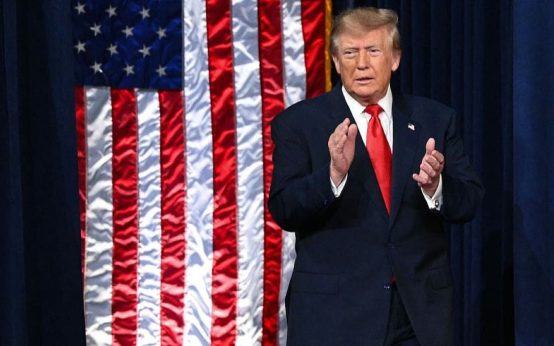 Republican Concerns Over Changing Loyalty of Working-Class Voters
 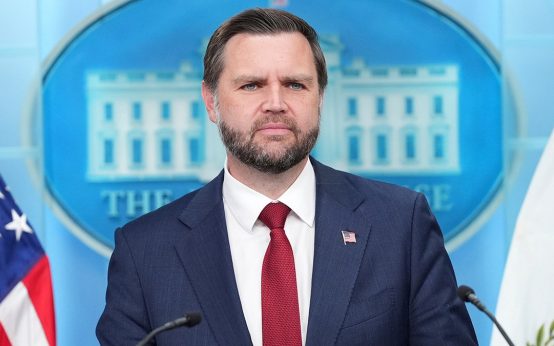 US Vice President JD Vance Chooses Not to Endorse Netanyahu Amid Israeli Elections
  Controversy Over Smithsonian Screening of ‘White Guilt’ Documentary
 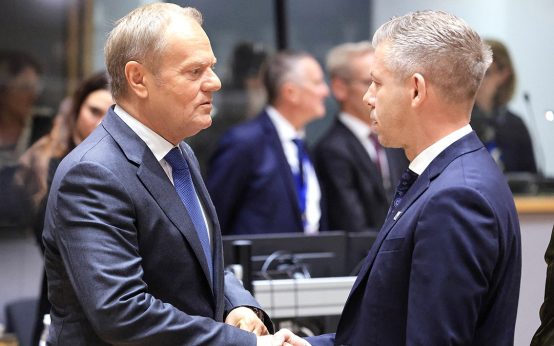 Rising Violence in Europe and Its Political Impact
 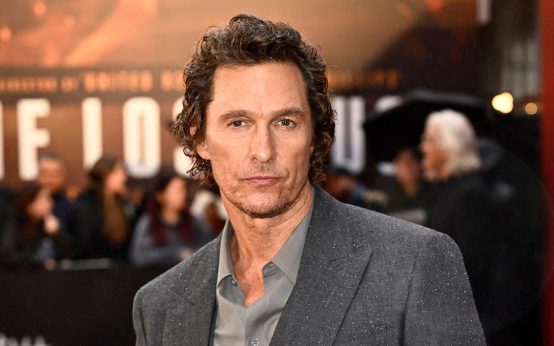 Matthew McConaughey Sparks Debate on America’s Two-Party System